 Skagit County
 Windows Built for Big Lake's Weather, Not a Showroom Somewhere Else
Big Lake sits in a pocket of Skagit County where lake humidity, marine air pushed in from the Sound, and heavy fall-through-spring rain all combine on the same siding, trim, and window openings. A window that's rated fine on paper can still fail early here if it's installed without accounting for how much moisture actually sits against this house for months at a time. We install windows in this area regularly, and the work is shaped around that reality — not a generic install checklist written for a drier climate.
This page covers window installation specifically for Big Lake homes: what the climate demands, what a correct install actually involves, how we run the job, and what to ask before you hire anyone for this kind of work.
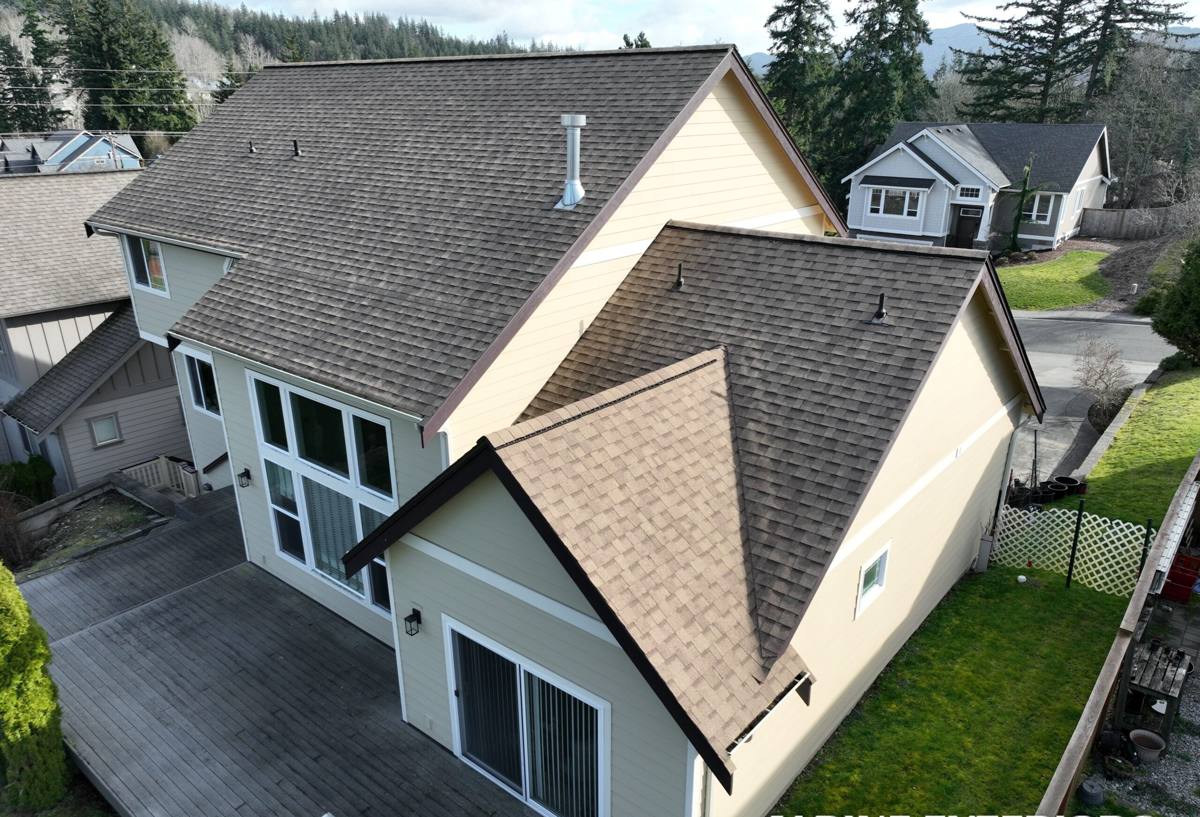
What Big Lake's Climate Does to Windows Over Time
Three things drive most of the window problems we see in this part of Skagit County:
Salt Air and Moist Lake Air
Homes near Big Lake and other water bodies in the county deal with persistently damp air, which accelerates corrosion on hardware, degrades poorly sealed frame joints, and keeps wood trim wetter longer after every rain. Vinyl and fiberglass frames handle this better than bare wood, but the installation detailing — flashing, sealant, drainage — matters more than the frame material alone.
Driving Rain
Storms here don't just fall straight down — wind-driven rain gets pushed sideways into window openings, especially on west- and south-facing walls. If the flashing and water-resistive barrier integration around a window isn't done correctly, water finds its way behind the trim and into the wall cavity, often for years before anyone notices the damage inside.
Long Moss and Algae Season
Skagit County's extended damp season means moss and algae get a foothold on any surface that stays wet — including window sills, trim, and low-slope drip caps. Beyond looking bad, sustained moss growth holds moisture against wood and caulk lines, breaking down seals faster than in drier climates.
None of this means Big Lake is a uniquely hostile place to own a home — it just means the install has to account for sustained moisture exposure rather than occasional weather events.
What a Correct Window Installation Actually Involves
Swapping a window is easy to do poorly and hard to do right. The parts that actually determine whether a window performs for the next 20+ years happen before the new window ever goes in the opening.
- Opening inspection: checking the sill, jack studs, and header for rot or soft wood before anything new goes in — installing a new window over a compromised opening just hides the problem
- Flashing sequence: sill pan flashing, then side flashing, then head flashing, layered so water is always directed outward and downward — never trapped behind the new unit
- Water-resistive barrier integration: tying the window flashing into the house wrap or building paper correctly, so the whole wall assembly sheds water as one system
- Air sealing and insulation: filling the gap between the window frame and rough opening with the right low-expansion foam or backer rod — too little leaves drafts, too much can bow the frame
- Exterior sealant: a proper bead of sealant at the right joints, not caulk smeared everywhere as a substitute for real flashing
- Level, plumb, and square: a window that's slightly out of square will bind, leak at the corners, or wear its weatherstripping unevenly within a few years
Any one of these steps done wrong can lead to a leak, and leaks in this climate rarely show up right away — they show up as soft trim or a stain on an interior wall a year or two later.
Full-Frame Replacement vs. Insert (Pocket) Replacement
One of the first decisions on a Big Lake project is whether the job calls for a full-frame replacement or an insert replacement into the existing frame. Both are legitimate approaches — the right one depends on the condition of what's already there.
| Factor | Insert (Pocket) Replacement | Full-Frame Replacement |
|---|---|---|
| Existing frame condition | Requires a sound, dry, square existing frame | Removes the old frame entirely — needed if there's rot or water damage |
| Best for | Homes with healthy original frames wanting updated glass/hardware | Homes with signs of past leaks, rot, or a frame that's out of square |
| Access to flashing/opening | Limited — you're trusting what's already behind the trim | Full access to re-flash and inspect the rough opening |
| Typical disruption | Lower — less exterior trim disturbed | Higher — exterior trim and sometimes siding is removed and reset |
| Relative cost | Generally lower | Generally higher, reflecting the added labor and materials |
Given how much moisture this area sees, we lean toward recommending a real inspection of the opening before committing to an insert replacement — if there's already hidden water damage, an insert just seals it back up instead of fixing it.
Choosing Frame Materials for This Climate
We install vinyl and fiberglass windows as our standard for Big Lake homes. Both resist the moisture and temperature swings this area sees far better than bare wood frames, and neither requires repainting or refinishing to stay weathertight.
Wood-frame windows have real appeal — especially on older or historic-style homes — but they carry a higher maintenance burden in a climate with this much sustained dampness: exposed wood needs consistent repainting and sealant maintenance to keep water out long-term, and any lapse in that maintenance shows up faster here than in a drier region. If a homeowner wants a wood-look interior, wood-clad or composite options can often deliver that appearance with a more moisture-tolerant exterior face — we're happy to walk through the trade-offs for your specific home rather than push one material as the only right answer.
Glass Packages Worth Considering
- Double-pane, low-E glass as a practical baseline for energy performance in the Pacific Northwest's mild-but-damp climate
- Argon or krypton gas fill between panes for added insulation value, especially on north- and west-facing rooms
- Tempered glass where code requires it — near doors, low sills, and other hazard locations
How We Run a Window Installation Job in Big Lake
- On-site assessment: we look at each opening, check for existing water damage or soft framing, and measure for accurate ordering
- Product selection: we walk through frame material, glass package, and style options suited to your home and budget
- Scheduling around weather: we plan install windows with an eye on the forecast — cutting a wall open during an active storm is how leaks happen, so we work with Skagit County's rain patterns rather than against them
- Removal and opening prep: old units come out, and we address any rot or damage found before the new window goes in
- Flashing and install: proper sill pan, side, and head flashing tied into the house wrap, followed by a square, plumb, properly sealed install
- Interior and exterior finish: trim, caulking, and touch-up so the job looks finished inside and out
- Final walkthrough: we check operation, seals, and finish work with you before calling the job done
Why Local Experience in Big Lake Matters
A crew that only occasionally works in Skagit County can still install a window correctly on a dry, calm day. What local experience actually buys you is judgment on the days that aren't dry and calm — knowing when to hold off on opening a wall because a system is rolling in off the Sound, knowing which sides of a Big Lake home take the worst driving rain, and recognizing early moss and moisture damage before it becomes a bigger repair. That judgment comes from doing this work in this specific climate repeatedly, not from a manufacturer's install manual alone.
Signs Your Big Lake Home's Windows Need Attention
- Visible gaps, drafts, or daylight around the window frame
- Fogging or moisture between panes on double- or triple-pane units — a sign the seal has failed
- Soft, discolored, or peeling trim and sills, especially on the exterior
- Difficulty opening, closing, or locking the window
- Persistent moss or algae buildup on sills and drip caps that keeps coming back after cleaning
- Noticeable temperature difference near the window compared to the rest of the room
Any one of these on its own isn't necessarily an emergency, but a few showing up together on the same window is usually a sign the frame or seal has been compromised.
What Affects the Cost of a Window Installation
| Factor | Why It Matters |
|---|---|
| Insert vs. full-frame replacement | Full-frame involves more labor and materials but is sometimes the only correct fix |
| Number and size of windows | Larger openings and whole-house projects have different labor and material needs than single-window repairs |
| Frame material | Vinyl, fiberglass, and wood-clad options carry different material costs |
| Existing damage | Rot or water damage found during removal adds repair scope before the new window goes in |
| Glass package | Gas fills, tempered glass, and specialty coatings add to the base cost |
| Access and trim complexity | Second-story windows, unusual trim details, or siding tie-ins can add labor time |
We give straightforward, itemized estimates so you know what you're paying for and why — no inflated "climate premium," just honest pricing based on what your specific project needs.
Get a Free, No-Pressure Estimate
If your Big Lake home has windows showing signs of wear, drafts, or past water damage, we're glad to take a look and give you a straight answer on what's needed — whether that's a simple insert replacement or a more involved full-frame job. Fill out the form below to schedule a free estimate with no pressure to commit.