 Skagit County
 Why Moisture Is the Real Enemy, Not Age
Most siding doesn't fail because it gets old. It fails because water got behind it and stayed there. In Skagit County, that's not a rare event — it's a year-round condition. Between the driving rain off Puget Sound, the salt-laden air along the coast near Anacortes, and the long stretches of gray, damp weather that keep everything from drying out, siding here works harder than siding almost anywhere else in the state. When we get called out to look at "old" siding, what we usually find isn't age. It's trapped moisture that's been quietly rotting sheathing and framing for years behind a wall that looked fine from the driveway.
This page is about understanding how that happens, what to look for before it becomes a structural problem, and why the choices you make about siding material and installation quality directly determine how much risk you're carrying on the outside of your home.
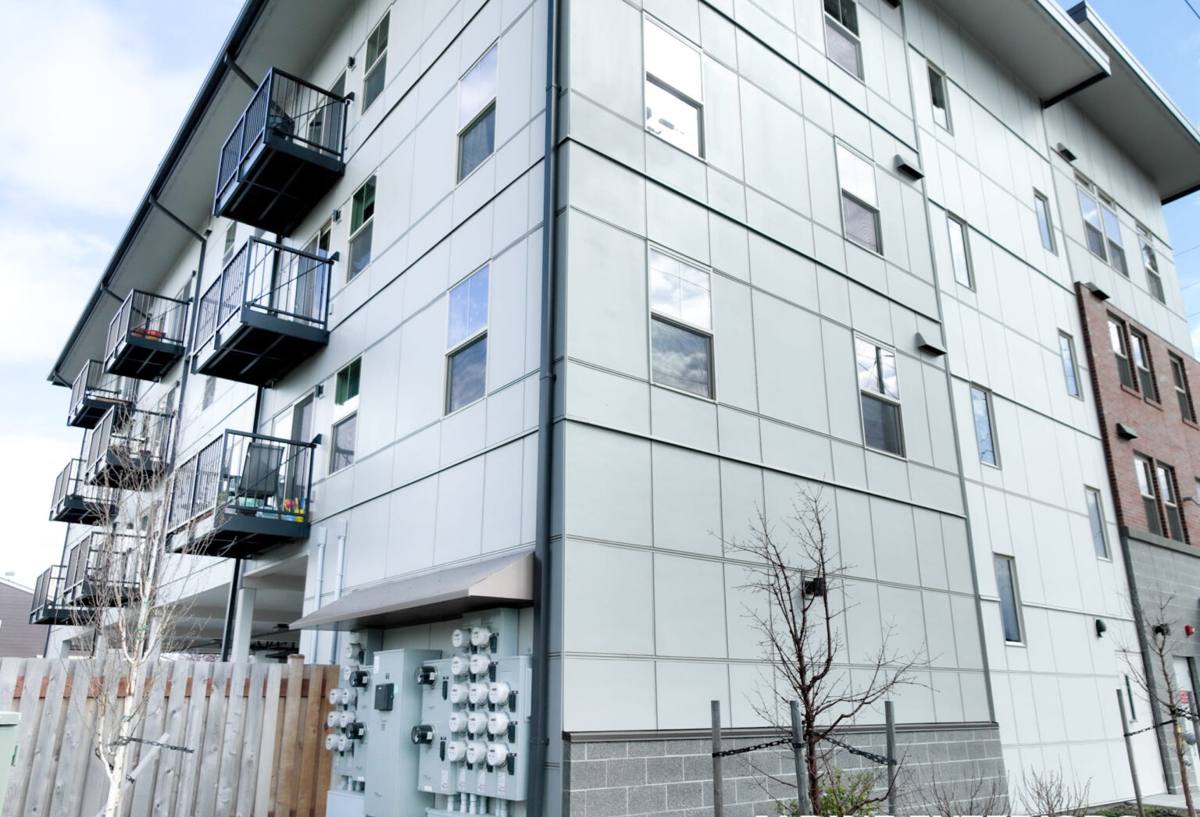
How Water Actually Gets Behind Siding
Siding is not, by itself, a waterproof shell. It's the outer layer of a system that's supposed to shed the bulk of the water while a water-resistive barrier (WRB) behind it handles anything that gets through. Rot starts when that system has a gap — and gaps are common. The usual entry points are:
- Butt joints and seams where two pieces of siding meet, especially if they weren't back-caulked or flashed correctly
- Window and door trim where flashing was skipped or installed in the wrong order relative to the WRB
- Fastener penetrations — nails or screws driven at the wrong angle or depth create a wick point for water
- Bottom edges near grade, decks, and porch roofs where splash-back and standing water are constant
- Cracked or failed caulk joints that were never designed to be the primary water barrier in the first place
Once water finds one of these paths, it doesn't evaporate quickly behind a wall. It sits against the sheathing, the framing, and the back side of the siding itself — and in a climate like Skagit County's, where humidity stays high and drying days are limited, that moisture has weeks or months to do damage between dry spells.
What Rot Looks Like Before It's Obvious
By the time you can see soft, crumbling wood or a soggy spot on the siding face, the damage has usually been progressing for a long time. Earlier warning signs are subtler:
- Paint that keeps bubbling or peeling in the same spot no matter how many times it's repainted
- A slightly spongy feel when you press on the siding or trim near the bottom of a wall
- Dark staining or streaking below butt joints or under windows
- A musty smell in an interior room that shares a wall with the affected area
- Siding that looks slightly wavy or bowed compared to the wall next to it
- Persistent moss or algae growth concentrated in one section, even after cleaning
Any one of these on its own isn't necessarily an emergency, but they're worth taking seriously, especially on the north- and west-facing walls that get the least sun and the most weather in this part of the county.
Not All Siding Materials Handle Moisture the Same Way
Material choice matters here more than most homeowners realize, because different materials fail differently when water does get behind them.
| Material | How it responds to trapped moisture | Typical failure point |
|---|---|---|
| Solid wood / cedar | Absorbs water, swells, and can support rot fungus directly in the board itself | Board rot, cupping, fastener pull-through |
| OSB-based engineered wood (e.g., LP SmartSide) | The wood-strand core swells and delaminates if water reaches it, especially at cut edges | Edge swell, crumbling at joints and bottom edges |
| Vinyl | Doesn't rot itself, but doesn't stop or manage water either — trapped moisture behind it damages the sheathing and framing unseen | Hidden sheathing/framing rot discovered late |
| Fiber cement (James Hardie) | Cement-based core doesn't absorb and swell the way wood-based products do; factory-cured for dimensional stability | Failure risk shifts to installation quality, not the board material itself |
The point of this table isn't to declare any one product "bad." It's to show that the material itself changes what you're actually protecting against. With wood and wood-based products, the material is part of the risk — it can absorb, swell, and rot in place. With vinyl, the material survives but doesn't do much to manage water that gets behind it, which just moves the failure point to the framing. Fiber cement doesn't eliminate the need for correct installation, but it removes the material itself as a source of rot, which is a meaningful difference in a climate that stays wet as long as ours does.
Installation Matters as Much as the Product
Even the best siding material will trap water and cause rot if it's installed wrong. The details that actually prevent moisture problems are mostly invisible once the job is done:
Water-Resistive Barrier and Flashing
A continuous WRB, properly lapped shingle-style (upper courses overlapping lower ones), combined with correctly sequenced window and door flashing, is what actually keeps incidental water out of the wall assembly. Siding is the second line of defense, not the first.
Rainscreen Gap
A small drainage gap between the back of the siding and the WRB lets any water that does get through drain and dry instead of sitting against the wall. This one detail does more to prevent long-term rot than almost anything else in the assembly, and it's frequently skipped to save labor and material cost.
Fastener Placement and Caulking
Manufacturer-specified nailing patterns, proper fastener spacing from panel edges, and using sealant only where it's designed to be a secondary barrier — not the main defense — all affect how long a wall stays dry.
This is why we don't treat installation as a formality. A correctly installed lower-tier product will usually outperform a premium product installed poorly.
Moss, Algae, and Skagit County's Damp Microclimates
Skagit County has a lot of variation in exposure within a short drive — open, wind-driven walls near the water in Anacortes and La Conner, shaded and tree-covered lots around Sedro-Woolley and the foothills, and everything in between around Mount Vernon and Burlington. Shaded, north-facing walls that don't get direct sun for most of the day can stay damp for days after a storm, which is exactly the environment moss and algae need to take hold. That growth isn't just cosmetic — it holds moisture against the siding surface longer than bare siding would, and around butt joints and trim it can accelerate the exact seam failures described earlier. Homes tucked under tree cover or on the shaded side of a hill should expect more frequent moss growth and plan cleaning and inspection accordingly.
What to Check Once a Year
- Walk the full perimeter and press-test any siding near grade, under windows, and near deck ledger boards
- Look closely at butt joints and corner trim for cracked caulk or gaps
- Check for paint failure concentrated in one area rather than spread evenly across a wall
- Note any interior musty smells or ceiling/wall stains on exterior-facing rooms
- Clear moss and debris from window sills, trim ledges, and anywhere water can pool
- Confirm gutters are draining away from the wall, not overflowing onto siding below
Repair or Replace? How to Tell
Not every moisture issue means a full re-side. A localized soft spot caught early, tied to one failed flashing detail, can often be cut out, the framing dried and repaired, and the section re-clad without touching the rest of the house. The decision usually comes down to:
- How contained the damage is — one wall section versus multiple elevations
- How long it's likely been happening — fresh staining versus soft, structural framing
- What's underneath — once we open a wall for repair, we can see whether the WRB and flashing were done right in the first place, which tells us whether a repair will actually hold or just delay the same failure
An honest inspection should be able to tell you which situation you're in before any work starts.
Why We Only Install James Hardie
Given everything above, we made a standing decision to install only James Hardie fiber cement siding on the homes we work on. It's not about brand loyalty — it's that fiber cement removes the material itself as a rot risk, holds paint and factory finish longer in wet, salt-air conditions, and is engineered in climate-specific HZ product lines built for regions like ours. Combined with correct flashing, WRB, and rainscreen detailing, it gives Skagit County homeowners a wall assembly that's built for the actual weather we get, not a best-case climate somewhere else.
If you're seeing early signs of moisture trouble, or you just want an honest read on how your current siding and wall assembly are holding up, we're happy to take a look. Reach out for a free, no-pressure estimate using the form below.