 Skagit County
 Why La Conner Is a Different Kind of Exterior Environment
La Conner sits right on the Swinomish Channel, tucked between the tidal flats of Skagit Bay and the farmland of the Skagit Valley. That waterfront position is part of what makes the town beautiful, and it's also what makes the exterior of a home here work harder than a house twenty minutes inland. Salt-laden air moves off the channel and the bay, driving rain comes in sideways off Puget Sound weather systems, and the combination of shade, moisture, and mild temperatures gives moss and algae a long growing season with almost no dormant period. None of this is unique to any one street in La Conner — it's a function of being this close to tidal water in Skagit County, and it shapes how we think about siding, roofing, windows, and decks on nearly every home we work on here.
None of that means La Conner homes are doomed to constant repair. It means the exterior needs to be built and maintained with the local conditions in mind, rather than treated the same as a house on the dry side of the Cascades. That's the whole point of this page.
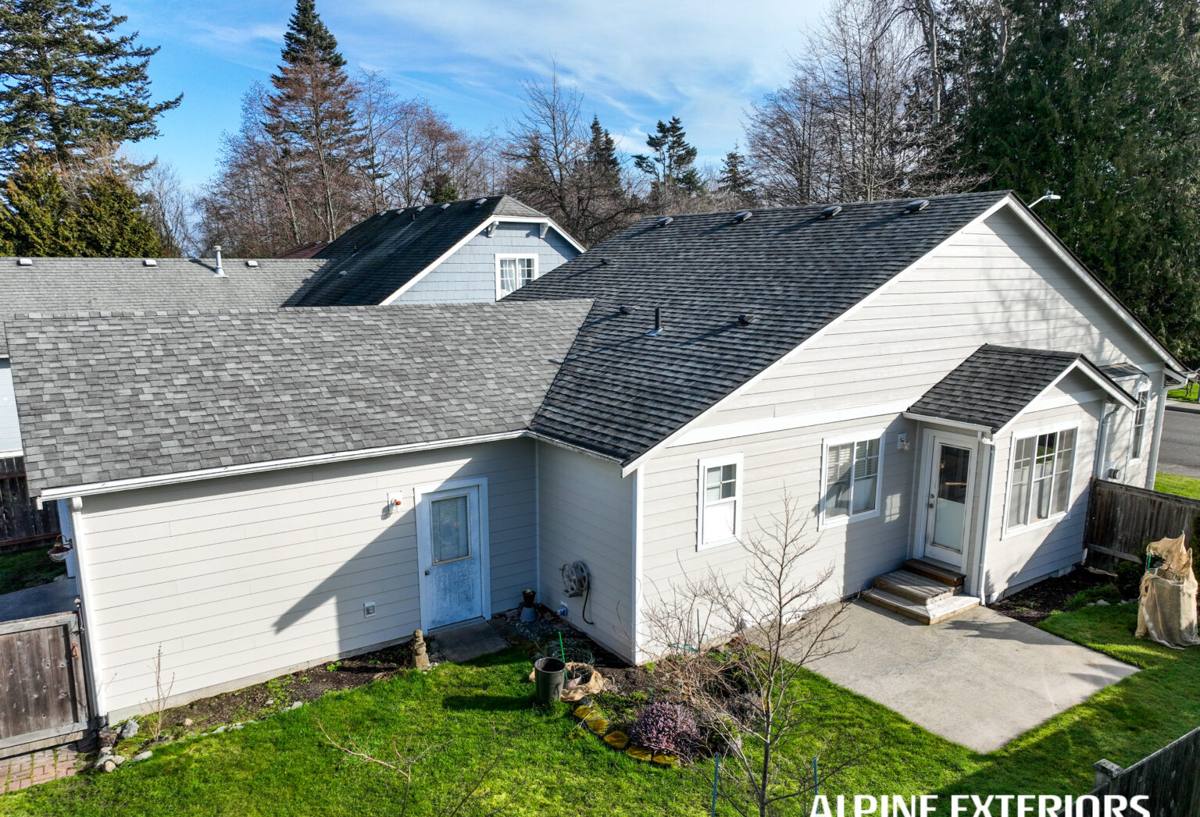
What Salt Air Actually Does to a Home's Exterior
Salt air isn't just a coastal buzzword — it has real, measurable effects on building materials over time. Airborne salt is hygroscopic, meaning it pulls moisture out of the air and holds it against whatever surface it lands on. That keeps siding, trim, and fasteners damp longer than they would be a few miles inland, even on days that look dry.
The materials most affected
- Untreated or under-galvanized fasteners — nails and screws that aren't rated for coastal exposure can start showing rust streaks in a few years, which telegraphs through paint and siding joints.
- Raw wood trim — cedar and painted wood trim absorb salt-laden moisture at end grain and joints, accelerating rot even when the face of the board looks fine.
- Vinyl siding — salt air combined with UV exposure can accelerate fading and brittleness over time, especially on the sun-and-wind-facing sides of a home.
- Metal flashing and hardware — lower-grade metals corrode faster near tidal water; this is a spot where cutting corners shows up early.
The fix isn't complicated, but it does require choosing the right materials up front: stainless or hot-dip galvanized fasteners rated for coastal use, flashing metals that hold up to salt exposure, and a siding material that doesn't depend on a factory paint film alone to keep moisture out.
Driving Rain and the Building Envelope
La Conner and the surrounding Skagit County waterfront get their share of wind-driven rain, particularly during fall and winter storm systems that funnel moisture up Puget Sound and across the flats. Driving rain doesn't just fall on a wall — it gets pushed into it, testing every seam, joint, and penetration in the siding system.
This is where installation quality matters as much as the material itself. A weather-resistive barrier behind the siding, correctly lapped flashing at windows and doors, proper caulking at trim joints, and adequate clearance between siding and grade or decking are what actually keep wind-driven rain from working its way behind the cladding. We see the same failure pattern again and again on older homes in this area: it's rarely the siding material itself that fails first, it's a flashing detail or a caulk joint that was never given a chance to shed water correctly.
Common trouble spots on La Conner homes
- Window and door head flashing that wasn't lapped over the weather barrier correctly
- Butt joints in horizontal siding that were caulked instead of properly flashed
- Deck ledger boards and siding-to-deck transitions where water gets trapped
- Roof-to-wall step flashing on additions or dormers
Moss, Algae, and the Long Wet Season
Skagit County's marine climate means long stretches of mild, damp weather, and shaded north- and east-facing walls in La Conner can stay damp for days at a time in fall, winter, and spring. Moss and algae don't need standing water to take hold — they just need consistent moisture and a surface they can grip. Wood shingles, some fiber cement products without a factory finish, and rough-textured siding all give moss more to hold onto than a smooth, factory-finished surface does.
Roofs face the same issue, especially on shaded slopes or under overhanging trees, which are common on wooded La Conner lots. Moss on a roof isn't just cosmetic — as it grows, it lifts shingle edges and holds moisture against the roof deck, which shortens the life of the roofing system. Regular gutter and roof maintenance, proper attic ventilation, and trimming back overhanging limbs where possible all help, but the siding and roofing materials themselves make a real difference in how much maintenance a home needs over the years.
Why We Install Only James Hardie Fiber Cement Siding
Given everything above — salt air, wind-driven rain, and a long moss season — we made the decision to install James Hardie fiber cement siding exclusively, and not vinyl, LP SmartSide, or other fiber cement brands. That's not a marketing position, it's a practical one based on what actually holds up in this climate.
What matters for a La Conner home specifically
- Non-combustible material — fiber cement doesn't feed a fire the way wood-based products can, which matters for insurance and peace of mind alike.
- Dimensionally stable in damp, marine air — unlike wood-based siding, fiber cement doesn't swell and contract with moisture the same way, which means fewer opened joints for wind-driven rain to exploit.
- ColorPlus factory finish — a baked-on finish resists fading and holds up to UV and salt exposure better than field-applied paint, and it's engineered to shed the kind of grime and algae growth that dulls a home's exterior over time.
- HZ5 product line engineering — Hardie's HZ5 formulation is built for climates with more moisture exposure, which fits the Puget Sound / Skagit County environment better than a generic siding spec.
- Strong transferable warranty — backed by a manufacturer warranty that transfers to a new owner, which matters if you ever sell.
We're upfront that Hardie siding costs more upfront than vinyl or engineered wood options. What you're buying is a material and finish system that's engineered for exactly the conditions La Conner throws at it — and a lot fewer maintenance headaches over the life of the siding.
Siding Options Compared for This Climate
| Material | How it handles salt air & damp shade | Long-term maintenance |
|---|---|---|
| James Hardie fiber cement | Non-combustible, dimensionally stable, factory finish resists fading and buildup | Occasional wash; repaint not needed for the life of ColorPlus finish |
| Vinyl siding | Can fade and become brittle faster under UV plus salt exposure; seams can allow water intrusion | Low upkeep but limited lifespan in coastal conditions |
| LP SmartSide / engineered wood | Wood-based core is more sensitive to sustained moisture exposure at cut edges and joints | Requires diligent caulk and paint maintenance to keep water out |
| Cedar / untreated wood | Absorbs moisture readily; prone to moss growth and rot in shaded, damp areas | Highest maintenance — regular staining, sealing, and moss treatment |
Roofing, Windows, and Decks in the Same Climate
Siding is only part of the exterior envelope, and we treat roofing, windows, and decks with the same climate logic in La Conner.
Roofing
Roof material and ventilation choices matter more here than in a drier part of the state. Good attic ventilation keeps roof decking from staying damp from the inside, and a roofing material that resists moss growth reduces how often a roof needs cleaning or early replacement.
Windows
Window flashing integration with the siding system is one of the most common failure points we find on older Skagit County homes near the water. New windows need to be flashed as part of the whole wall assembly, not caulked in as an afterthought, especially on walls that take direct wind-driven rain off the channel.
Decks
Decks near tidal water face the same salt-air fastener corrosion issue as siding. Hardware, ledger flashing, and the transition where a deck meets the house wall all need materials rated for the exposure, or you end up with hidden rot at the ledger board within a few years.
What We Look For on Every La Conner Job
- Condition of existing weather-resistive barrier and flashing before any new siding goes on
- Fastener and flashing metal ratings appropriate for coastal exposure
- Moss and algae staining patterns that point to chronic shade and moisture problems
- Window and door flashing integration, not just visible caulk lines
- Deck ledger and siding-to-deck transitions for hidden moisture damage
- Attic and roof ventilation adequacy, especially on additions
Why a Local Crew Matters Here
A contractor who mostly works inland or in drier parts of Washington can install siding that looks fine on day one and still fail early in La Conner's specific mix of salt air, driving rain, and shaded dampness. Knowing which details actually matter here — the fastener spec, the flashing sequence, where moss tends to take hold on this side of the Cascades — comes from working on homes in Skagit County's marine climate, not from a generic install checklist. That's the difference a crew that knows this specific stretch of the county brings to the job.
If you're planning siding, roofing, window, or deck work on a La Conner home, we're happy to take a look and talk through what your home's specific exposure calls for. Reach out for a free, no-pressure estimate using the form below.