 Skagit County
 Custom Windows Built for Bow's Marine Climate
Bow sits close enough to Samish Bay and the open water of Skagit County that homes here take a different kind of weather beating than houses further inland. Salt-laden air, wind-driven rain that comes in sideways off the water, and a moss season that stretches longer than most homeowners expect all work on window openings year-round. When a window isn't installed with that reality in mind, the first signs of trouble usually show up around the frame and sill long before the glass itself fails.
Custom windows aren't just about picking a style you like. In Bow, they're about choosing a frame material, glazing package, and flashing detail that can stand up to salt exposure and constant moisture cycling without turning into a maintenance project every spring. That's the lens we bring to every window job out here.
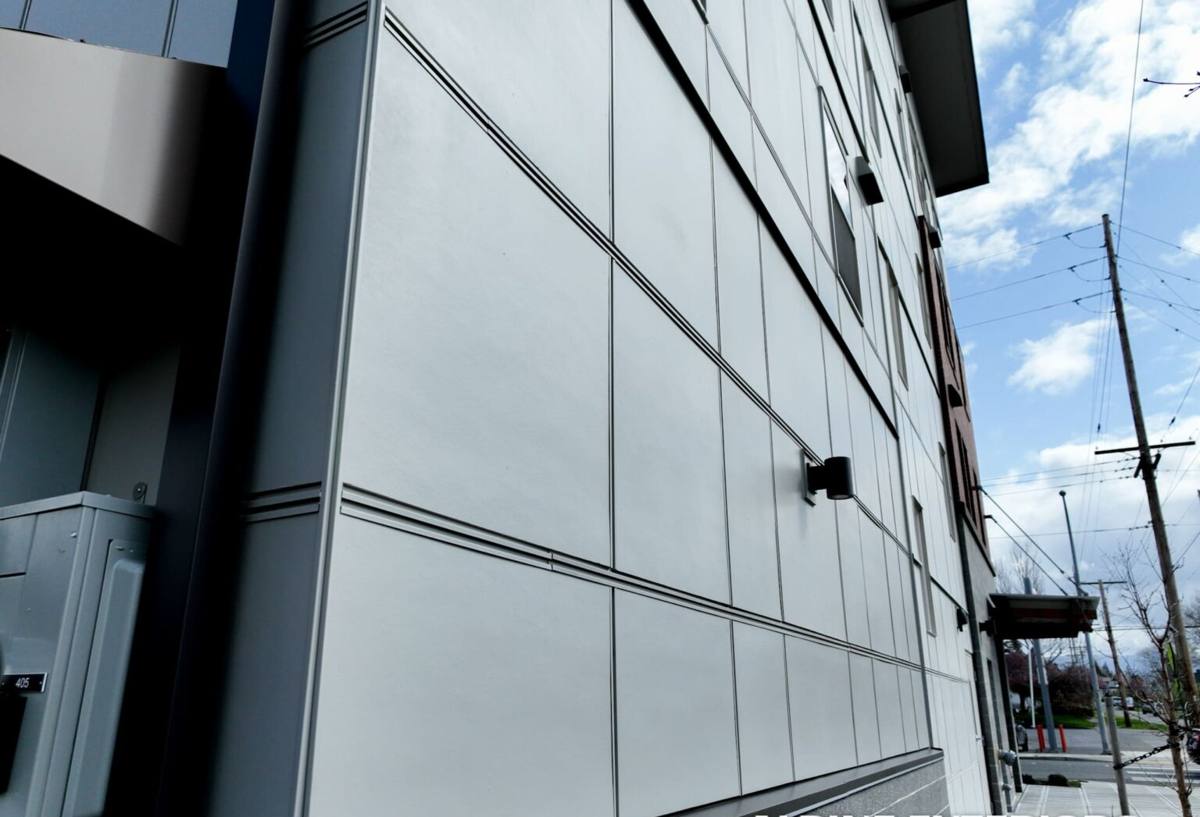
What "Custom" Actually Means for a Bow Home
Custom windows means the unit is built to your opening, your home's style, and your performance needs — not pulled off a shelf in a standard size and forced to fit. For older homes and additions around Bow, that matters more than it does in a new subdivision, because original openings are rarely a perfect match for today's standard window sizes.
Common Reasons Bow Homeowners Go Custom
- Replacing an original window that's an odd size, common in older farmhouses and homes built before standardized lumber dimensions
- Upgrading a bay, bow, or picture window to capture views of the water or surrounding fields without losing energy performance
- Matching window profiles across an addition so the new work doesn't look bolted onto the original structure
- Moving from single-pane or early double-pane units to modern glazing that actually holds up to salt air and condensation
- Correcting a previous installation that was never properly flashed and has been letting moisture into the wall assembly
Why Salt Air and Driving Rain Change the Job
Coastal-influenced air in this part of Skagit County carries fine salt content that settles on exterior surfaces, including window frames and hardware. Over years, that accelerates corrosion on lower-quality hardware, pits certain finishes, and can degrade seals faster than in a drier inland climate. Combine that with the driving rain that comes off open water during winter storms, and you get wind-driven moisture pushed directly at the window's weakest points — the corners, the sill, and wherever the frame meets the siding.
This is why the installation detail matters as much as the window itself. A premium window installed with poor flashing will leak. A modest window installed correctly, with proper weather-resistive barrier integration and flashing that sheds water outward and downward, will often outperform it.
What We Specify for This Exposure
- Frame materials and hardware rated for coastal or marine-influenced climates, not just generic "Pacific Northwest" specs
- Corrosion-resistant fasteners and hardware at every attachment point
- Sill pan flashing under every unit, sloped to drain water back out rather than let it pool
- Head flashing integrated with the existing siding or weather barrier, not just caulked over the top
- Sealants and backer rod rated for sustained UV and moisture exposure, not standard interior-grade caulk
Moss, Shade, and What It Does to a Window System
Skagit County's long, wet moss season isn't just a roof and gutter problem. On homes in Bow with tree cover or north-facing exposures, moss and algae growth around window trim and sills holds moisture against the wood or composite trim for months at a time. That constant damp contact is what actually causes rot — not a single storm, but slow saturation that never fully dries between rain events.
We factor this into trim material selection and detailing. Where a window sits in a shaded, moss-prone location, we lean toward trim and sill materials that don't wick or hold moisture the way untreated wood does, and we make sure the sill has enough slope and clearance that water and debris don't sit against it.
Choosing the Right Frame Material
There's no single "best" window material for every home — it depends on your home's age, style, budget, and how much upkeep you want to take on. Here's how the common options actually compare for a coastal Skagit County property.
| Material | Coastal/Moisture Performance | Maintenance | Best Fit |
|---|---|---|---|
| Vinyl | Good — won't rot or corrode, handles moisture well | Low — occasional cleaning | Budget-conscious replacements, rental or secondary properties |
| Fiberglass | Excellent — very stable in temperature and moisture swings, resists salt exposure well | Low | Homes wanting long-term durability without wood upkeep |
| Aluminum-clad wood | Good exterior protection, but seams and corners need correct detailing near salt air | Moderate — interior wood still needs occasional attention | Homeowners who want a wood interior look with a protected exterior |
| Solid wood | Weakest in this climate unless finish is maintained rigorously | High — regular refinishing required | Historic-style homes where wood is a must, with owner willing to maintain it |
For most Bow homes exposed to direct salt air or driving rain off the water, we steer clients toward vinyl or fiberglass for the exterior-facing performance, and reserve wood or wood-clad options for more protected elevations or homes where matching an existing architectural style is the priority.
Glazing and Energy Performance
Beyond the frame, the glass package affects comfort and condensation. Skagit County's temperature swings between damp winters and warm, dry summer days mean double-pane, low-E glazing is the practical standard for most replacement and custom window jobs here. It cuts down on interior condensation on cold mornings — a common complaint we hear from homeowners with older single-pane or early-generation double-pane windows — and reduces heat loss during the wetter, colder months.
Argon or krypton gas fills between panes add a modest additional performance boost, and are worth discussing for rooms that get hit hardest by wind exposure, such as those facing open water or prevailing weather.
Our Installation Process
A correct window installation is mostly about sequence and detail, not the window brand. Here's how we approach it on Bow homes:
- Assessment: We inspect the existing opening, sheathing, and any signs of past water intrusion before quoting anything. If there's hidden rot or damage, we flag it upfront rather than after the old window is out.
- Measurement and ordering: Custom units are measured precisely to the opening — accounting for any out-of-square conditions common in older framing.
- Removal: Old windows are removed carefully to protect surrounding siding and trim, and we inspect the framing and sheathing once it's exposed.
- Repair as needed: Any rotted framing, sheathing, or old flashing that's failed is repaired before the new window goes in. Installing a new window over a damaged opening just hides the problem.
- Flashing and sealing: Sill pan, side flashing, and head flashing are installed in the correct order so water is always directed outward, never trapped behind the siding.
- Setting and shimming: The window is set level, plumb, and square, then shimmed and fastened per manufacturer specification — critical for both weather performance and smooth operation.
- Insulation and interior finish: Gaps around the frame are properly insulated (not overpacked, which can bow the frame) and interior trim is finished to match the home.
- Final inspection: We check operation, seal integrity, and exterior finish work before calling the job complete.
Signs Your Bow Home Needs a Window Look
- Fogging or condensation between panes — a sign the seal has failed and the insulating gas has escaped
- Soft or discolored trim and sill areas, especially on shaded or north-facing walls
- Drafts you can feel around the frame even with the window closed and locked
- Difficulty opening, closing, or locking — often a sign the frame has shifted or warped
- Visible gaps, cracked caulk, or peeling paint concentrated around the window opening rather than the wall in general
- Musty smell or visible mold near a window, which usually points to moisture getting behind the interior trim
Why Hire a Crew That Already Works in Bow
Window installation looks straightforward until you're dealing with an older opening, an unusual siding transition, or framing that's already seen some moisture damage — all of which show up regularly on homes in this part of Skagit County. A crew that already works this area knows what to expect from local framing conventions, how exposure varies by elevation and tree cover, and what flashing details actually hold up against wind-driven rain off the water versus what merely passes inspection.
That local familiarity also means fewer surprises mid-project. We're not guessing at how a Bow property's exposure compares to an inland job — we've seen the difference in how these windows perform over time, and we build for it from the start.
What Affects Your Project's Cost
Every window job is different, but a few factors consistently drive the price up or down. Understanding them ahead of time makes for a more useful conversation when you request an estimate.
| Factor | Why It Matters |
|---|---|
| Frame material | Vinyl is typically the most budget-friendly; fiberglass and wood-clad options cost more but offer different durability and appearance trade-offs |
| Opening condition | Hidden rot or framing damage found during removal adds repair time before the new window can go in |
| Window size and style | Custom shapes, bay/bow configurations, and larger picture windows require more engineering and labor than standard sizes |
| Number of openings | Whole-home replacement projects typically bring a lower per-window cost than single-window jobs |
| Access and elevation | Second-story or hard-to-access windows take more time and equipment to install safely |
| Trim and siding tie-in | Matching existing exterior trim or siding profiles adds finish work beyond the window unit itself |
We won't quote a number without seeing the actual opening — anyone who does is guessing. What we can promise is a straightforward walk-through of what's driving your specific price before any work starts.
Get a Straight Answer on Your Windows
If you're dealing with drafty, fogged, or aging windows on a Bow property, or planning a custom window upgrade as part of a larger exterior project, we're happy to take a look and give you an honest assessment — no pressure, no upsell script. Request a free estimate using the form below and we'll walk the property with you before recommending anything.