 Skagit County
 Bow Homes Face a Tougher Climate Than Most Siding Is Built For
Bow sits in that stretch of Skagit County where the marine air off Samish Bay meets open farmland and timbered hillsides, and that combination is hard on exterior building materials. Homes here deal with salt-laden air rolling in off the water, long stretches of driving rain pushed sideways by wind, and shaded, damp conditions that keep moss and algae going for most of the year. Siding that would hold up fine in a drier inland climate often starts failing early out here — not because it was installed carelessly, but because it was never engineered for this specific mix of salt, rain, and shade.
If you're looking into siding replacement for a home in Bow, the material and the installation both need to account for that reality. This page walks through what the local climate actually does to siding, what a correct replacement job looks like, and why we install James Hardie fiber cement exclusively rather than offering a menu of cheaper alternatives.
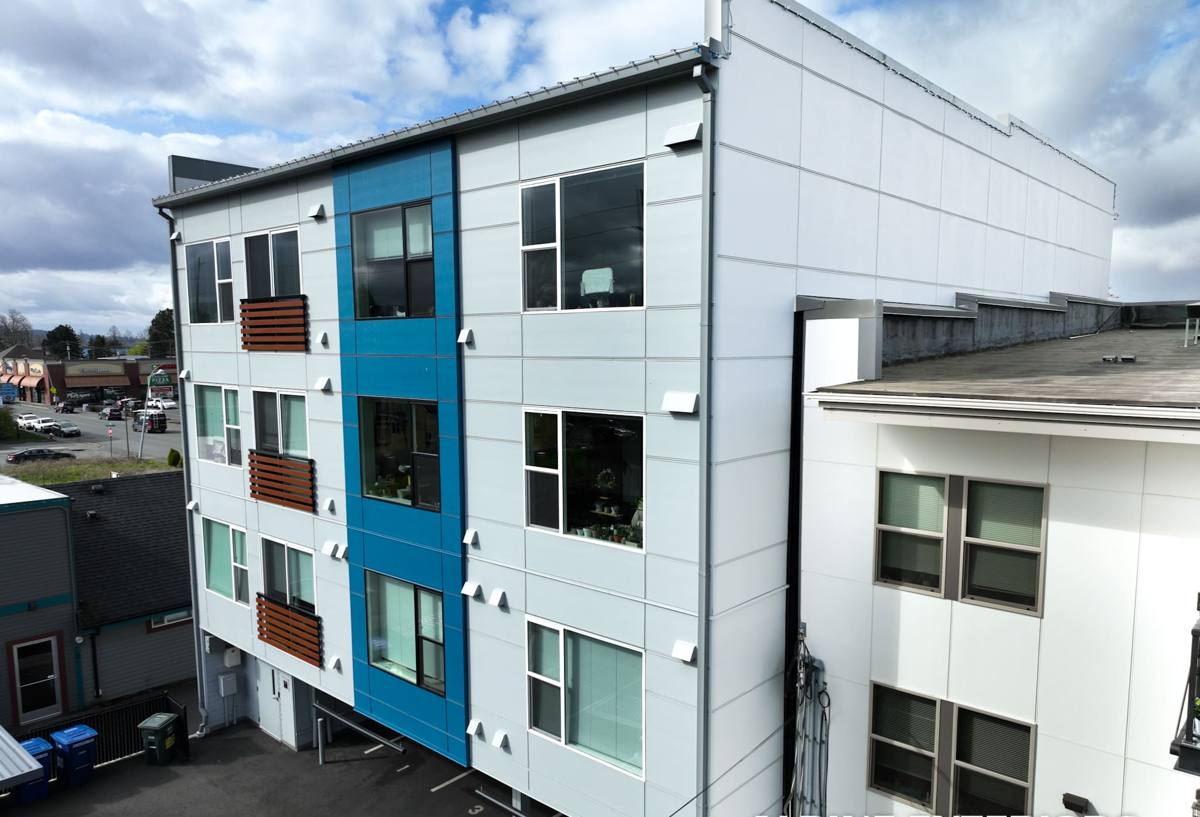
What Bow's Climate Does to Siding Over Time
Salt Air and Corrosion
Proximity to Samish Bay means airborne salt is a real factor for homes in and around Bow, especially those on higher ground or open to wind off the water. Salt air accelerates corrosion of fasteners, trim metal, and any siding component with exposed metal, and it can degrade certain paints and coatings faster than the manufacturer's rated lifespan would suggest. Vinyl siding can also become brittle and discolor faster under sustained salt and UV exposure than it does in a drier, inland setting.
Driving Rain and Wind-Driven Moisture
Skagit County gets a lot of rain, and in Bow it often arrives at an angle, driven by wind off the flats and the bay. That matters more than straight-down rain because wind-driven moisture gets pushed up under laps, around trim, and into any gap in the weather barrier that a calmer climate might never test. Siding systems and installation details that are marginal in a sheltered area get exposed quickly here.
Moss, Algae, and a Long Shade Season
Between tree cover, cloud cover, and the sheer number of damp months in this part of Washington, moss and algae growth is close to a year-round condition on north- and west-facing walls. Porous or fibrous siding materials hold onto that moisture and give moss something to grip, which speeds up surface breakdown, promotes rot at seams, and leaves the house looking neglected even when the underlying structure is fine.
Signs a Bow Home Needs Replacement, Not Just Repair
Not every siding problem calls for a full tear-off. But in a climate like this, patching over the wrong kind of damage usually just buys a year or two before the same issue resurfaces. Here's what tends to signal that replacement is the right call rather than another repair:
- Soft, spongy, or crumbling siding when pressed, especially near the bottom courses and around window and door trim
- Persistent moss or algae staining that returns within weeks of cleaning, on the same wall sections every time
- Visible gaps, warping, or buckling in the siding profile, particularly after a windy, wet winter
- Paint or finish that's peeling, chalking, or failing across large sections rather than one isolated spot
- Interior signs like musty smells, peeling interior paint, or soft drywall near exterior walls — often a sign moisture has already gotten behind the siding
- Siding that's simply reached the end of its rated service life, even if it looks okay from the curb
Why We Install James Hardie Fiber Cement Exclusively
We don't offer vinyl, LP SmartSide, primed spruce, cedar, or other fiber cement brands as options for homes in Bow — not because those products don't have a place in the market, but because none of them hold up as consistently as James Hardie does against this specific combination of salt air, driving rain, and constant shade-driven moisture. Vinyl expands and contracts with temperature swings and can crack or warp under wind load; wood and wood-composite products need real diligence to keep moisture out of cut edges and seams, and this climate doesn't give much room for error on that front.
James Hardie fiber cement is non-combustible, dimensionally stable in wet climates, and available in HZ product lines specifically engineered for regions with heavy moisture exposure like ours. The factory-applied ColorPlus finish is baked on under controlled conditions rather than field-painted, which matters in an area where a field-applied coating has to cure through damp, cool weather more often than not. It's also backed by a strong transferable warranty when installed to Hardie's specification — which is the other half of the equation, because even the best siding material fails early if it's hung wrong.
Fiber Cement vs. Common Alternatives in This Climate
| Material | Moisture & Rain Performance | Salt Air Durability | Moss/Algae Resistance | Typical Maintenance |
|---|---|---|---|---|
| James Hardie Fiber Cement | Dimensionally stable, engineered HZ lines for wet climates | Strong; non-combustible, corrosion-resistant substrate | Dense surface resists moss adhesion better than porous materials | Occasional wash; factory finish reduces repainting cycles |
| Vinyl Siding | Can trap moisture behind panels if installed loosely | Can discolor/become brittle faster under salt and UV | Moderate; smooth surface but seams collect grime | Low, but panels can warp and are hard to spot-repair |
| LP SmartSide / Wood Composite | Vulnerable at cut edges and seams if not sealed correctly | Moderate; depends heavily on coating maintenance | Higher risk if moisture gets behind panels | Regular inspection of seams and touch-up painting |
| Cedar / Primed Spruce | Natural material, absorbs moisture without diligent upkeep | Requires frequent refinishing near salt air | High risk without consistent maintenance | Highest; refinishing every few years |
What a Correct Siding Replacement Involves
Tear-Off and Sheathing Inspection
Replacement starts with full removal of the old siding, not siding over it. That's the only way to actually see what's happening underneath — soft sheathing, hidden rot around windows, or old flashing that's been failing quietly for years. In a climate like Bow's, skipping this step means covering up problems that will keep growing behind the new siding.
Weather Barrier and Flashing Details
Given how much wind-driven rain this area gets, the weather-resistive barrier and flashing details around windows, doors, and roof lines matter as much as the siding itself. Proper lapping, sealed penetrations, and correctly integrated flashing are what actually keep water out — the siding is the visible layer, but the drainage plane behind it does most of the real work.
Installation to James Hardie Specification
James Hardie's warranty is tied to correct installation: proper nailing patterns, clearances from grade and roofing, correct fastener type, and proper joint and caulking details. We install to that spec every time, which is also what keeps the transferable warranty intact if you sell the home down the road.
Trim, Caulking, and Finish Work
The last stage is where a job either looks finished or looks rushed — clean trim lines, properly caulked joints, and touch-up work on any field-cut edges so the ColorPlus finish isn't left exposed to moisture.
Our Process for Bow Homeowners
- On-site assessment: We walk the exterior with you, check for soft spots, moisture damage, and problem areas specific to your home's exposure to wind and shade.
- Honest scope and estimate: You get a clear breakdown of what needs to happen and why, in plain language, before any work starts.
- Tear-off and sheathing check: Old siding comes off, sheathing gets inspected, and any hidden damage is addressed before new material goes up.
- Weather barrier and Hardie installation: Barrier, flashing, and siding installed to manufacturer specification.
- Final walkthrough: We go over the finished work with you before calling the job done.
Cost Factors for Siding Replacement in Bow
Every home is different, but the biggest drivers of cost on a Bow siding replacement tend to be the same handful of factors:
| Factor | Why It Matters |
|---|---|
| Extent of hidden damage | Rot or soft sheathing found during tear-off adds repair scope before new siding can go up |
| Home size and wall complexity | More corners, gables, and trim details mean more labor and material |
| Siding profile and Hardie product line | Lap, shingle, and panel styles vary in material and install time |
| Trim and flashing scope | Full flashing replacement around windows and doors adds time but is essential in this climate |
| Site access and exposure | Wind exposure and shaded, damp walls near tree lines can affect scheduling and prep |
We'll walk your specific home and give you a real number for your situation rather than a rough guess — broad ranges without seeing the house aren't useful to you.
Why It Matters to Hire a Crew That Already Works Skagit County
A crew that mainly works drier, inland climates can install siding correctly on paper and still miss the details that matter here — how much clearance to leave near a shaded, damp wall, how aggressively to flash a wall that takes direct wind off the bay, or which parts of a Bow property are most exposed to salt air. Working Skagit County regularly means we've seen how this specific climate treats siding over years, not just at installation, and we build the job around that.
If your Bow home needs siding replacement, we're happy to take a look and give you a straightforward, no-pressure estimate — no obligation, just an honest read on what your home actually needs.