 Skagit County
 Composite Decking in Avon: Built for the Ground It Sits On
Avon sits low in the Skagit River valley, where the ground stays damp longer than it does up on higher ground around the county, and the air carries moisture off both the river and the Sound. That combination is hard on any outdoor structure, but it's especially hard on decks, because a deck isn't just exposed to weather from above — it's exposed from underneath too, where airflow is limited and moisture lingers. Composite decking, installed correctly for this specific setting, holds up to that in a way that painted or stained wood decking generally can't without constant upkeep.
This page is about that one job, done right, for Avon homes specifically. Not a generic decking pitch — the actual decisions that matter when you're building or replacing a deck on low, wet valley ground near the river.
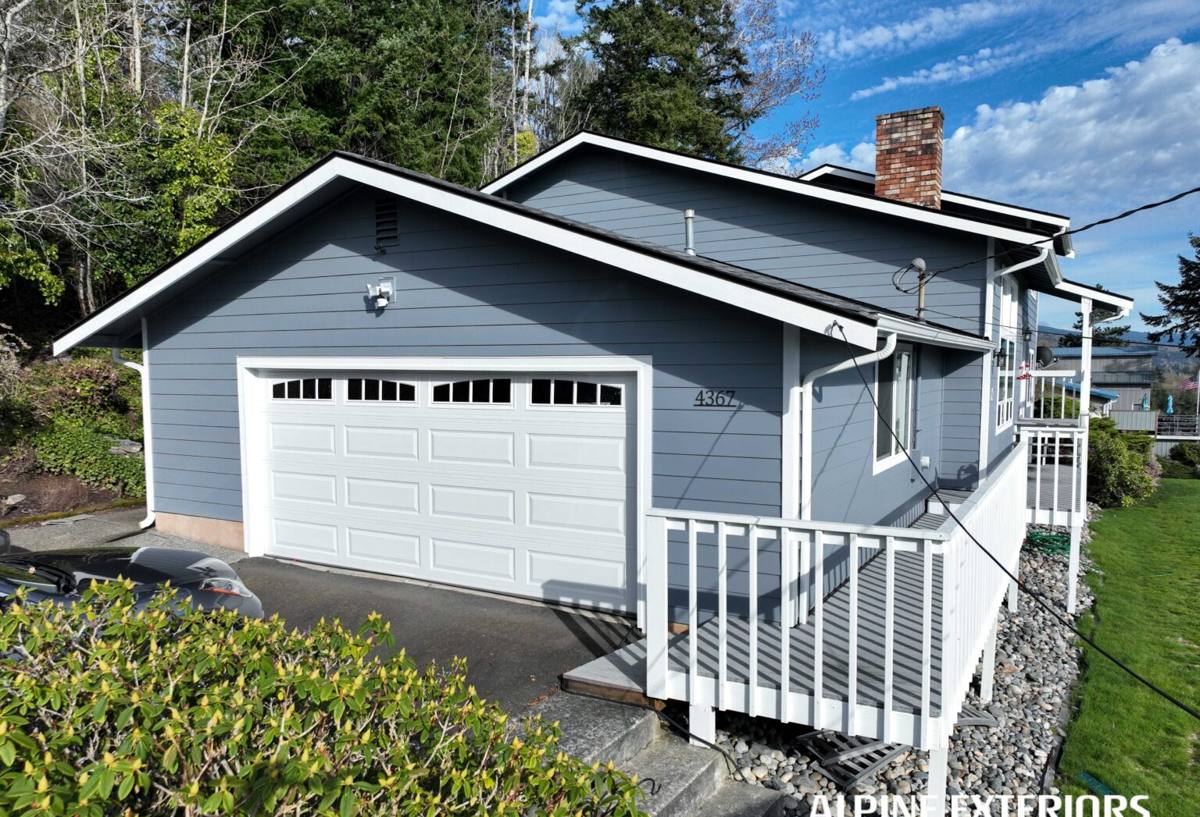
What Avon's Climate Actually Does to a Deck
Driving Rain and Standing Moisture
Skagit County gets long stretches of steady, wind-driven rain rather than short downpours, and on flatter valley lots like the ones common around Avon, water doesn't always drain away from the house as fast as it should. A deck built without attention to grading, gap spacing, and substructure drainage will hold moisture against the framing long after the surface looks dry. That's where rot starts on wood-framed decks and where composite boards earn their keep on the surface — but only if the structure underneath is handled with the same care.
Salt Air and Fasteners
Proximity to the Sound and the tidal reaches of the river means the air here carries more salt than it does further inland. Standard fasteners, brackets, and connectors corrode faster in that environment. It matters less what the decking surface is made of and more what's holding it together — the hidden clips, screws, joist hangers, and flashing all need to be rated for coastal exposure, or you're just buying yourself a hidden failure a few years down the road.
Moss and Algae Season
Skagit County's moss season runs long — shade, moisture, and mild temperatures for much of the year are exactly what moss and algae need to take hold. On a deck, that shows up first in shaded corners, under furniture, and near the house where airflow is worst. Composite surfaces resist staining better than wood, but they aren't immune — board texture, color, and how the deck is oriented and ventilated all affect how much moss becomes a maintenance chore versus a non-issue.
Choosing the Right Composite Board for This Setting
Not all composite decking performs the same way in a wet, mossy, salt-tinged climate. The main decision is between capped and uncapped composite, and it's worth understanding the trade-off honestly rather than just picking on price.
| Board Type | Moisture Behavior | Moss/Algae Resistance | Maintenance |
|---|---|---|---|
| Uncapped composite | Can absorb moisture at the surface over time | Lower — more prone to surface staining | Occasional cleaning and periodic sealing recommended |
| Capped composite | Protective outer shell resists moisture absorption | Higher — easier to keep clean | Rinse and light cleaning only |
| PVC decking | Doesn't absorb moisture | High | Lowest, but different look/feel and cost |
| Wood (for comparison) | Absorbs moisture readily | Requires regular treatment | Highest — annual cleaning/staining/sealing |
For most Avon homes, capped composite is the right balance: it costs more upfront than uncapped boards but meaningfully less to live with over the years in a climate that never really dries out for long. We'll walk through actual product lines and colors during your estimate rather than pushing one brand — the right choice depends on your budget, sun exposure, and how the deck sits relative to the house.
What a Correct Composite Deck Installation Involves
Composite boards are forgiving on the surface, but a deck is only as good as what's underneath it. On low, damp valley ground, we pay particular attention to:
- Substructure inspection or replacement — composite decking is heavier than wood; framing needs to be sized and spaced correctly, and any existing rot has to be cut out, not covered over.
- Joist tape — a protective membrane over the top of every joist so rain that gets between the boards doesn't sit directly on bare lumber.
- Ledger board flashing — the connection point where the deck meets the house is the single most common source of hidden water damage; it gets proper flashing, not just caulk.
- Grading and drainage under the deck — making sure water has somewhere to go instead of pooling under low decks close to grade.
- Coastal-rated fasteners and hardware — hidden fastener systems, brackets, and screws rated for salt-air exposure, not standard interior-grade hardware.
- Correct board spacing — composite expands and contracts with temperature; gaps are set to manufacturer spec so the deck doesn't buckle or gap unevenly over time.
- Airflow underneath — skirting and end details that keep air moving under the deck rather than sealing in moisture.
Skip any one of these and the deck may still look fine for a season or two — the problems that come from cutting corners on a deck's substructure tend to surface slowly, then all at once.
How We Approach a Composite Deck Project in Avon
1. On-Site Assessment
We look at the existing structure (if there is one), the grade of the yard, sun and shade patterns, and how close the deck sits to the house and to grade. On valley lots, we're also checking how water currently moves across the property, because that tells us what the deck needs to handle.
2. Plan and Product Selection
We go over board tiers, colors, and railing options honestly — including what each option costs to maintain over ten or twenty years, not just what it costs to install.
3. Demo and Substructure Work
Old decking and any compromised framing comes out. Framing gets rebuilt or reinforced to current standards, with attention to the ledger connection and drainage.
4. Installation
Joist tape, hardware, and board installation follow manufacturer specifications for expansion gaps and fastening — this is where warranty coverage actually depends on the details being right.
5. Finish and Walkthrough
Railings, stairs, fascia, and any lighting or trim get finished, and we walk the deck with you so you know what maintenance (if any) it actually needs going forward.
What Affects the Cost of a Composite Deck
| Factor | Why It Matters |
|---|---|
| Deck size and shape | More linear footage of board and framing; complex shapes waste more material |
| Existing substructure condition | Rebuilding rotted framing costs more than reinforcing sound framing |
| Board tier (capped vs uncapped vs PVC) | Material cost per square foot varies significantly by tier |
| Height above grade and railing requirements | Taller decks need code-compliant railings, which adds labor and material |
| Stairs and landings | Each set of stairs adds framing, board, and railing work |
| Ledger and drainage work | Proper flashing and grading correction add time but prevent future damage |
We give straight, itemized estimates rather than a single lump number, so you can see where the cost is actually going and where there's room to adjust the scope if needed.
Maintenance Checklist for Avon Homeowners
Composite decking is low-maintenance compared to wood, not maintenance-free. In this climate, a few habits go a long way:
- Sweep debris out of board gaps a few times a year so moisture and organic matter don't build up underneath.
- Rinse the deck surface periodically, especially shaded areas, to keep moss and algae from getting established.
- Keep gutters and downspouts near the deck clear so roof runoff isn't dumping extra water onto or under it.
- Check railing posts and stair connections annually for movement — hardware loosens faster in salt-air environments.
- Trim back overhanging vegetation that keeps sections of the deck shaded and damp longer than the rest.
- Watch for any soft spots or discoloration at the ledger connection, which can signal a flashing issue worth checking early.
Why Hire a Crew That Already Works in Avon
A deck built for a dry-climate subdivision somewhere else isn't automatically built right for low ground in the Skagit valley. A crew that already works in and around Avon knows the local building department's expectations for decks near grade, understands how the valley's soil and water table behave on typical lots here, and isn't guessing at what hardware holds up under this county's mix of salt air and year-round dampness. That familiarity shows up in details — flashing choices, fastener grade, drainage planning — that don't get noticed until years later, when a deck built by an out-of-area crew starts showing problems one built correctly for this ground never will.
We pull permits where Skagit County requires them, and we build to the same drainage and hardware standards on every deck we install here, whether it's a small ground-level platform or a full multi-level deck off the back of the house.
Ready for an Honest Look at Your Deck
Whether you're replacing a tired wood deck or planning a new one, we'll come take a look, walk you through what your specific lot and layout actually need, and give you a straightforward estimate — no pressure, no upsell. Fill out the form below to get started.