 Skagit County
 Building Decks for Hamilton's Wet, Wooded Climate
Hamilton sits in the Skagit River valley, and like the rest of Skagit County, it gets a long, wet shoulder season on either side of summer. Rain doesn't just fall here — it lingers, soaks into anything porous, and keeps shaded surfaces damp for days after a storm passes through. Add tree cover along the river and a moss season that can run eight or nine months out of the year, and you've got conditions that are hard on a deck if it wasn't built with drainage and ventilation in mind from the start.
A lot of deck problems we get called out to fix in this area aren't about the decking material at all — they're about what's underneath it. Framing that traps moisture, ledger connections that let water track into the house, and joists with no room to dry out between rain events. This page covers what a deck built for Hamilton conditions actually needs, what our process looks like, and what to weigh when you're picking materials.
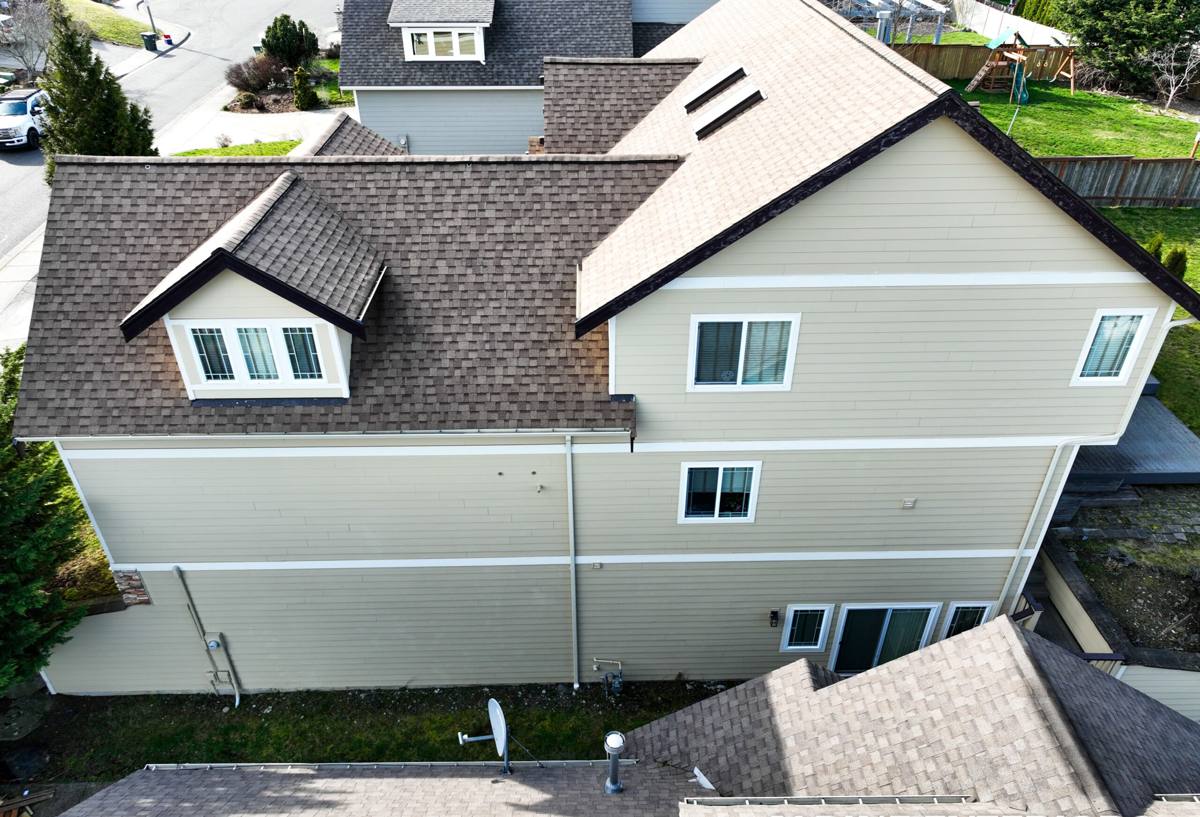
What Skagit County's Climate Demands From a Deck
Skagit County's marine-influenced weather — moisture pushing in off Puget Sound, driving rain up the valley, and short winter days that never quite dry things out — puts real stress on outdoor structures. A deck built the same way you'd build one in a dry climate will show it within a few years here: soft spots at fastener locations, mildew streaking on the north or shaded side, and moss creeping across any surface that stays damp longer than it stays sunny.
The fixes aren't exotic. They're just details that get skipped when a deck is built fast instead of built right:
- Positive drainage away from the house at the ledger board, with proper flashing so water can't wick behind the siding
- Joist spacing and blocking that lets air move underneath the deck instead of trapping standing moisture
- Fasteners and hardware rated for wet, coastal-influenced exposure — not just galvanized, but the corrosion class actually suited to this region
- Decking gaps sized correctly so boards can expand and contract without cupping or trapping debris that holds moisture
- Material choices that account for moss and mildew rather than fighting them with chemicals every season
Moss Isn't Cosmetic — It's a Moisture Signal
Moss on a deck surface usually means that spot stays wet longer than the rest of the structure, often because of poor drainage, low airflow, or heavy shade. Scrubbing it off treats the symptom. Fixing the drainage or airflow underneath treats the cause. When we build or repair a deck in this area, we look at where moss is already growing (if it's an existing structure) as a diagnostic, not just a cleanup item.
Framing and Substructure — Where Most Deck Failures Start
The part of a deck nobody sees is the part that determines how long it lasts. In a climate like Skagit County's, we pay particular attention to a few things that are easy to shortcut:
Ledger Attachment
The ledger board — where the deck attaches to the house — is the single most common point of structural failure in older decks in wet climates. If it's not flashed correctly, water tracks behind it and rots both the ledger and the house framing behind it, often invisibly for years. We flash this connection properly every time, no exceptions.
Post Footings and Ground Contact
Skagit County soil holds moisture longer than sandier ground, which means post footings need to be sized and set below frost depth with real drainage consideration, not just poured to code minimum. Ground-contact-rated lumber and proper standoff hardware keep posts from wicking moisture up from the base.
Joist Protection
Joist tape or a comparable flashing on top of every joist keeps fasteners from creating a moisture trap where the decking meets the frame. It's a small material cost that prevents the most common spot for rot to start under composite and wood decking alike.
Choosing a Decking Material for This Climate
There's no single "best" decking material — there's the right material for your budget, your maintenance appetite, and how much shade and moisture your specific deck location deals with. Here's how the common options actually compare for a Hamilton-area build:
| Material | Upfront Cost | Maintenance | Moss/Mildew Resistance | Typical Lifespan |
|---|---|---|---|---|
| Pressure-treated wood | Lowest | Annual cleaning, periodic staining/sealing | Fair — needs regular upkeep to stay ahead of it | 15–20 years with maintenance |
| Cedar | Moderate | Regular sealing to hold color and resist moisture | Good, naturally rot-resistant, still needs cleaning | 20–25 years with maintenance |
| Composite decking | Higher | Occasional washing, no staining/sealing | Good, but can still grow surface moss in deep shade without airflow | 25–30+ years |
| PVC decking | Highest | Lowest — washing only | Very good, non-porous surface resists moss growth | 25–30+ years |
In practice, we tell homeowners this: if your deck sits in full sun most of the day, pressure-treated or cedar can perform well and cost less, as long as you stay on top of sealing. If your deck is shaded by trees or the house — which is common along the river in Hamilton — composite or PVC earns its higher price back in avoided maintenance, because that shaded moisture is exactly what drives moss and mildew growth on wood surfaces.
Railings, Stairs, and Code Considerations
Railings and stairs are where a lot of deck inspections fail, and they're also where safety matters most. Washington's residential code sets requirements for guard height, baluster spacing, and stair rise/run that we build to as a baseline, not a suggestion. Beyond code minimums, a few things matter specifically for this climate:
- Stair treads need a surface that stays gripable when wet — smooth, uncapped composite or bare wood can get slick fast in Skagit County's rain
- Metal railing hardware should match the corrosion resistance of your fasteners elsewhere on the structure
- Post connections at the railing need to be as solid as the deck framing itself — a wobbly railing is usually a sign of an undersized post connection, not a cosmetic issue
Our Deck Building Process
- On-site assessment. We look at drainage, sun exposure, tree cover, and how the deck ties into the house before we talk materials.
- Design and material walkthrough. We go over the honest tradeoffs for your specific site — not a one-size-fits-all recommendation.
- Permitting. We handle the permit process with Skagit County so the structure is inspected and documented correctly.
- Framing and flashing. Ledger flashing, joist protection, and footings are done to hold up to years of wet weather, not just pass initial inspection.
- Decking, railing, and stairs. Installed with the fastener spacing and gapping appropriate to the material and our climate.
- Final walkthrough. We show you what maintenance (if any) your material needs and answer questions before we consider the job done.
Deck Maintenance Checklist for Skagit County Homes
Whatever material you choose, a little seasonal attention goes a long way in this climate. Here's what we recommend to homeowners in and around Hamilton:
- Clear leaves and debris from between boards and off the surface before fall rains set in
- Check that gaps between decking boards are still clear enough for water to drain through, not pooling on top
- Wash off moss and mildew as soon as it appears, rather than letting it establish and spread
- Inspect ledger flashing and railing post connections once a year for any signs of movement or water staining
- Reseal or restain wood decking on the manufacturer's recommended schedule — don't wait until it looks bad
- Trim back overhanging branches that keep sections of the deck shaded and damp longer than necessary
Why a Local Skagit County Crew Matters
A deck built by a crew that doesn't work this specific climate regularly tends to look fine on day one and show problems by year three or four — moisture issues don't announce themselves right away. We work in Skagit County day in and day out, which means we're not guessing at how much drainage a ledger connection needs or which decking materials actually hold up in a shaded, damp yard versus a sunny one. We've seen what fails here and we build to avoid it, not to meet a generic national spec sheet.
We also know the Skagit County permitting process, which keeps your project moving instead of stalled waiting on paperwork we're unfamiliar with. For a project as structural as a deck — something your family will stand on for the next two or three decades — that local familiarity isn't a nice-to-have, it's the difference between a deck that ages well and one that needs early repairs.
If you're planning a new deck or need to replace one that's showing its age, we're happy to walk your property, look at your sun and drainage situation, and give you a straightforward estimate — no pressure, no upsell. Use the form below to get started.