 Skagit County
 Avon's Roofs Work Harder Than Most
Avon sits low in the Skagit Valley, close enough to Padilla Bay and the Sound that salt-laden air is a constant companion, not an occasional visitor. Add in a rainy season that stretches for months and a moss season that seems to start earlier every year, and you've got a set of conditions that will find every weak point in a roof system faster than almost anywhere else in the state. A shingle roof that would coast along for decades in a dry inland climate gets tested here every single week.
That doesn't mean asphalt shingles are the wrong choice for this area — they're still the most common roofing material in Skagit County for good reason. It means the installation has to account for what this climate actually does to a roof over time, not just what the shingle brochure says it should do in ideal conditions.
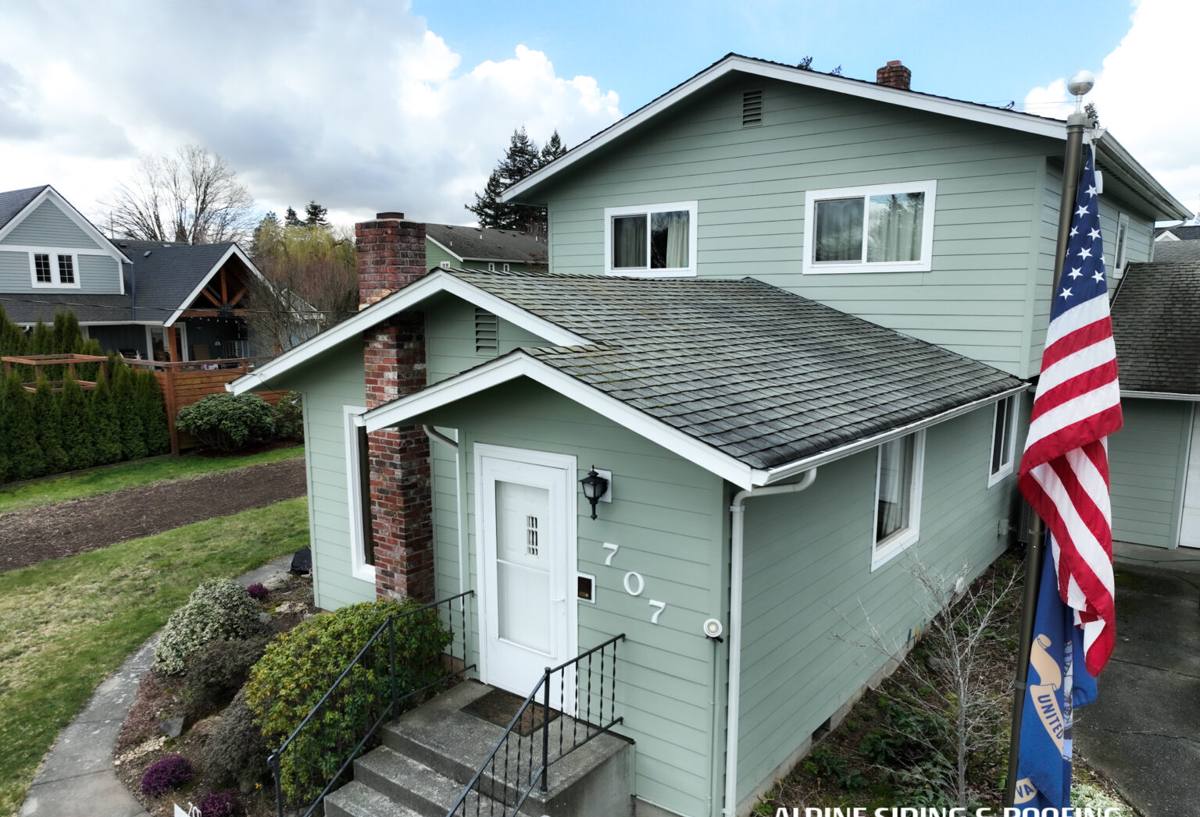
What Driving Rain and Salt Air Actually Do to a Roof
Rain that falls straight down is manageable. Rain that comes sideways off the water in a winter storm finds its way under shingles that are lifted, under-lapped, or nailed with a sloppy pattern. Over years, wind-driven rain works its way into fastener holes, ridge caps, and valley metal that wasn't detailed carefully the first time.
Salt air adds a second layer of wear. It accelerates corrosion on exposed metal fasteners, flashing, and vent boots, and it can shorten the life of lower-grade roofing hardware noticeably compared to the same materials installed further inland. None of this is dramatic or sudden — it's slow, cumulative damage that shows up as a leak five or ten years earlier than it should have.
Where These Two Forces Combine
The roof details most exposed to combined wind, rain, and salt exposure are the ones facing prevailing weather, plus any low-slope sections, valleys, and roof-to-wall transitions. These are exactly the spots where a rushed or corner-cutting installation shows problems first — and where we spend the most attention.
Why Asphalt Shingles Still Make Sense in Avon
Given all of that, some homeowners assume they need something more exotic than asphalt shingles. In most cases, that's not true. A properly installed, quality asphalt shingle roof handles this climate well — it's a proven, repairable, and cost-effective system as long as the installation details are right and the product tier matches the exposure.
- Wide range of price points and warranty levels to match budget and expectations
- Straightforward repairs — damaged sections can be matched and replaced without redoing the whole roof
- Good wind ratings available in architectural and impact-rated lines
- Wide contractor and manufacturer familiarity, which matters for warranty support down the road
The trade-off is that asphalt shingles are more installation-sensitive than some premium materials — a mediocre job on a metal roof might still shed water fine for a while, but a mediocre shingle job in this climate reveals its weaknesses quickly.
Shingle Tiers: What You're Actually Paying For
Homeowners often ask what separates a basic shingle from a premium one, especially when quotes can vary by a large margin. Here's how the common tiers compare for a coastal Skagit County exposure like Avon's:
| Shingle Tier | Typical Wind Rating | Best Fit For | Trade-offs |
|---|---|---|---|
| 3-tab / economy | Lower | Budget-driven projects, rentals | Shorter lifespan in wind-driven rain and salt exposure |
| Architectural / laminate | Mid to high | Most Avon homes | Best balance of cost, durability, and appearance |
| Impact-rated / premium architectural | High | Exposed sites, extra durability priority | Higher upfront cost, often better warranty terms |
For most homes in Avon, an architectural shingle is the sensible middle ground — enough wind resistance and mat thickness to handle driving rain without paying premium-tier pricing on a home that doesn't need it.
What a Correct Installation Actually Involves
The shingle brand matters less than most people think. The installation details matter more. Here's what we consider non-negotiable on every tear-off and re-roof:
Deck and Structure First
Before a single shingle goes down, the deck gets inspected for soft spots, delamination, and rot — especially around old vent boots and valleys, which is where hidden moisture damage tends to hide in this climate. Bad decking gets replaced, not shingled over.
Underlayment and Water Barrier
Given how much wind-driven rain this area sees, self-adhered ice-and-water membrane at eaves, valleys, and roof penetrations isn't optional — it's the backup layer that keeps a small shingle failure from becoming a ceiling stain. Synthetic underlayment across the rest of the field gives a second line of defense against wind-lifted shingles.
Flashing and Metal Details
Corrosion-resistant flashing at chimneys, sidewalls, and valleys, properly lapped and sealed rather than caulked as an afterthought. This is the detail salt air punishes fastest when it's done wrong.
Fastening Pattern
Correct nail count and placement per manufacturer spec — not just enough to hold the shingle in place today, but enough to meet the wind rating the shingle is actually rated for. Under-nailing is one of the most common causes of early wind damage we see on older roofs in this area.
Ventilation
Balanced intake and exhaust ventilation to manage attic moisture, which matters as much as the shingle itself in a climate this wet (more on this below).
Moss, Algae, and the Long Wet Season
Skagit County's extended wet season, combined with shaded roof slopes common on wooded Avon lots, creates ideal conditions for moss and algae growth. Left unaddressed, moss holds moisture against the shingle surface, works into the granule layer, and can lift shingle edges over time — turning a cosmetic issue into a leak risk.
Our approach on new installations and re-roofs includes options to reduce this over time:
- Zinc or copper control strips at the ridge on shaded roofs, which release ions that inhibit moss and algae growth as rain washes over them
- Algae-resistant shingle products where growth risk is high
- Practical guidance on gutter and debris maintenance, since clogged gutters back water up under the shingle edge
- Honest advice on limb trimming where overhanging trees keep a roof section shaded and damp longer than the rest
No roofing product eliminates moss entirely in this climate — anyone who promises that isn't being straight with you. The goal is slowing it down and catching it early, not pretending it won't happen.
The Part of the Roof System Homeowners Don't See
Attic ventilation doesn't show up in curb appeal, but it directly affects how long a shingle roof lasts in a wet, mild climate like this one. Poor ventilation traps moisture in the attic, which condenses on the underside of the roof deck, promotes rot, and can void shingle warranties that require proper airflow. It also makes ice-dam-style backups more likely during cold snaps, even in a climate that doesn't see much snow.
We check existing intake and exhaust balance on every re-roof and correct it where it's inadequate — often a bigger factor in roof longevity here than the shingle brand itself.
Our Process, Start to Finish
- On-site inspection and honest assessment — what's actually wrong, what's cosmetic, and what's structural
- Written estimate — shingle tier options, scope, and timeline, no pressure tactics
- Tear-off and deck inspection — full removal of old roofing, deck repairs as needed
- Water barrier and underlayment installation — ice-and-water shield at vulnerable areas, synthetic field underlayment
- Flashing and ventilation correction — metal work and intake/exhaust balancing
- Shingle installation — correct fastening pattern per manufacturer spec and wind rating
- Cleanup and magnetic sweep — job site left clear of debris and nails
- Final walkthrough — review of the completed work and warranty paperwork
A Simple Pre-Winter Checklist for Avon Homeowners
- Clear gutters and downspouts before the fall rains pick up
- Look for moss buildup on shaded, north-facing slopes
- Check for lifted or missing shingles after any high-wind event
- Note any interior ceiling stains, especially near valleys or chimneys
- Trim back branches that keep roof sections shaded and damp
Why Local Experience in Avon and Skagit County Matters
A roofing crew that only occasionally works this area treats it like any other job site. A crew that regularly works Avon and the surrounding Skagit County communities already understands the exposure differences between a sheltered lot and an open one, knows which roof details tend to fail first in this climate, and can spot the early warning signs of moss or wind damage before they turn into interior repairs. That local pattern-recognition is worth more than any single product upgrade.
It also means faster response for follow-up questions, warranty service, or storm damage assessment — you're not waiting on a crew that has to drive in from out of the area every time.
Getting a Straight Answer for Your Roof
Every roof in Avon has its own combination of slope, shade, and wind exposure, and that combination should drive the shingle tier and installation details — not a one-size-fits-all package. If you're weighing a repair against a full replacement, or just want an honest read on how much life is left in your current roof, we're happy to take a look. Reach out below for a free, no-pressure estimate.