 Skagit County
 Siding Replacement in Big Lake: A Different Set of Problems Than Town
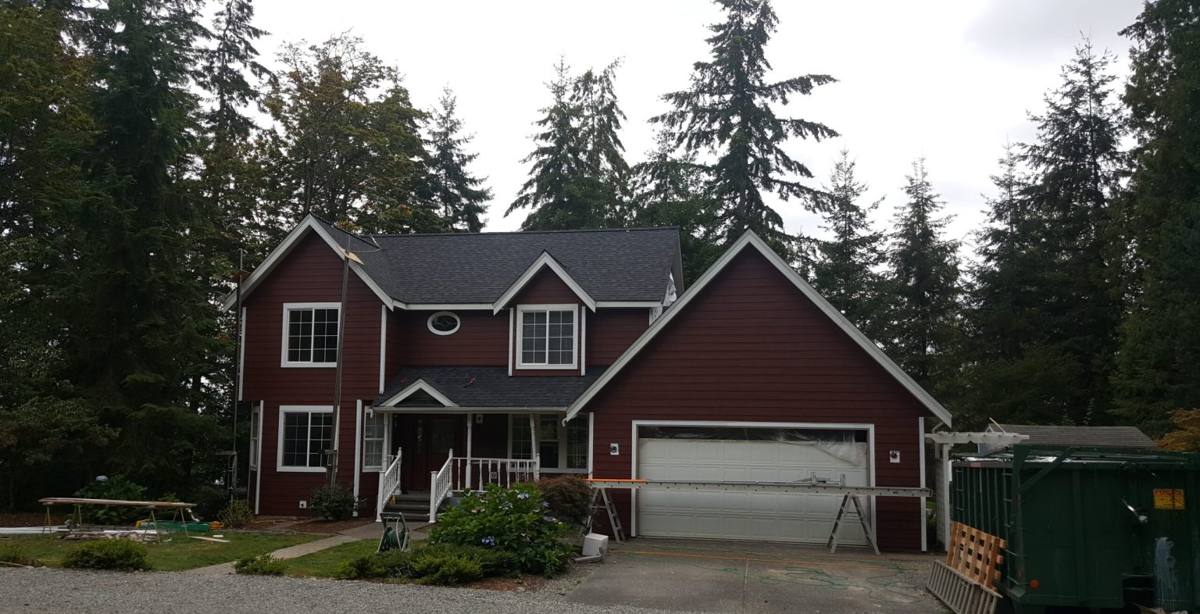
Big Lake sits in a pocket of Skagit County that behaves a little differently than siding jobs we do closer to Mount Vernon or Burlington. Homes here are often tucked among trees, closer to standing water, and shaded for large parts of the day. That combination changes how siding ages. It's not just about picking a color and a product — it's about understanding how moisture moves around a specific lot, how much sun a wall actually gets, and how long that wall stays wet after a storm passes through.
We've replaced siding on enough homes around Skagit County to know that a house on an open, sunny lot and a house tucked against tree cover near the water need different attention, even if the siding product is identical. This page is about what siding replacement actually requires for homes in and around Big Lake, and why we approach it the way we do.
Why Siding Fails Faster in This Part of Skagit County
Moisture That Doesn't Dry Out Quickly
Skagit County deals with driving rain for a good chunk of the year, and homes near Big Lake often get an extra dose of ambient humidity off the water itself. Add tree cover, which is common around the lake, and you get walls that stay damp longer after every rain event than a similar wall out in the open. Siding that's marginal on drainage or moisture tolerance shows its weaknesses fastest in exactly these conditions.
Salt Air and Regional Weather Stress
Broader Skagit County sits close enough to Puget Sound that salt-laden air is part of the regional weather picture, and it adds to the corrosion and finish stress that any exterior material has to withstand here. Combined with driving rain, it's a one-two punch: moisture gets into gaps and seams, and airborne salts accelerate wear on fasteners, caulk joints, and painted finishes that aren't built for it.
A Long Moss and Algae Season
Shaded, moist walls near the lake are close to ideal growing conditions for moss and algae. Once organic growth takes hold on a wall, it holds moisture against the surface even longer, which speeds up rot in wood-based products and stains almost any finish that isn't factory-cured. Homes with tree-shaded north and west walls near Big Lake tend to show this first.
What "Correct" Siding Replacement Actually Involves
Siding replacement is not just stripping old panels and nailing up new ones. Done right, it's really a full envelope check. Here's what should happen on every job, whether it's a full tear-off or a partial replacement:
- Complete removal of old siding and trim, not just the visible damaged sections
- Inspection of the sheathing underneath for soft spots, rot, or existing water damage
- Repair or replacement of any compromised sheathing before new siding goes up
- Installation or repair of a proper weather-resistant barrier (house wrap) with correct overlaps
- Correct flashing at windows, doors, and any wall penetrations — this is where most water intrusion actually starts
- Proper fastening pattern and spacing to manufacturer spec, not "close enough"
- Correct clearance at grade, decks, and roof lines so water has somewhere to go
- Caulking and sealing only where the manufacturer specifies it — over-caulking traps moisture instead of shedding it
Skipping the sheathing inspection is the most common shortcut we see on older homes near the lake. If the wall's been holding moisture for years under failing siding, putting new siding directly over a soft or rotted substrate just hides the problem for another few years instead of fixing it.
Why We Install Only James Hardie Fiber Cement
We made a decision as a company to install James Hardie fiber cement siding exclusively, and we don't install vinyl, LP SmartSide, Cemplank, Allura, primed spruce, or cedar. That's not a marketing position — it's a standard we hold because of what we've seen play out on homes in exactly this kind of climate.
Fiber cement is non-combustible, which matters more every year as wildfire smoke and ember exposure become a bigger part of Pacific Northwest summers. Hardie's HZ5 product line is engineered specifically for climates with freeze-thaw cycling and sustained moisture exposure, which describes a lot of what Skagit County sees between fall and spring. The ColorPlus factory finish is baked on and warranted against fading and flaking, which matters directly on shaded, moss-prone walls where a field-applied paint job would need attention again in a few years. And the transferable warranty gives homeowners something real to point to if they sell the house before the siding's service life is up.
We're not going to tell you every other product is worthless — vinyl is inexpensive and low-maintenance, cedar looks great when it's new, engineered wood siding has real fans. But each of those comes with a trade-off — heat sensitivity, moisture absorption, finish maintenance, or installation sensitivity — that we don't think is worth carrying on a home exposed to the kind of moisture and salt air Skagit County delivers. Fiber cement, installed correctly, is the product we're willing to put our name behind here.
Comparing Siding Materials for a Lakeside Skagit County Home
| Material | Moisture Tolerance | Finish Longevity | Maintenance |
|---|---|---|---|
| James Hardie Fiber Cement | Strong — won't rot or swell | ColorPlus factory finish, warranted | Occasional wash, minimal touch-up |
| Vinyl | Decent, but seams can trap moisture | Color molded in, fades over time | Low, but cracks/warps with age and heat |
| Cedar | Absorbs moisture, needs sealing | Needs refinishing every few years | High — staining, caulking, pest checks |
| Engineered Wood (LP SmartSide-type) | Treated, but edge/cut exposure is a risk point | Field-applied paint wears faster | Moderate — repainting, edge sealing |
The pattern that matters for Big Lake specifically is moisture tolerance and finish longevity, since shaded, humid walls are the ones that get tested hardest here.
How We Approach a Siding Replacement Job in Big Lake
1. Walk the Property First
Before we talk product or price, we look at sun exposure, tree cover, drainage around the foundation, and where the existing siding is showing the most wear. That tells us which walls need the most attention and whether we're looking at a straightforward replacement or something with underlying moisture damage.
2. Inspect Behind the Surface
Wherever we see staining, soft siding, or heavy moss growth, we check what's happening underneath before quoting the job. A homeowner deserves to know if there's sheathing repair involved before work starts, not after the old siding's already off the wall.
3. Build a Clear, Itemized Estimate
We break out siding, trim, flashing, any sheathing repair, and labor separately so you know what you're paying for and why. No lump-sum guesswork.
4. Tear Off and Prep Correctly
Full removal, sheathing repair where needed, and a properly lapped weather barrier before a single new panel goes up.
5. Install to Manufacturer Spec
Correct fastening, flashing, and clearances — the details that determine whether this siding is still performing well in fifteen years or showing problems in five.
6. Final Walkthrough
We walk the finished job with you, point out anything you should keep an eye on, and answer questions about care and warranty registration.
Cost Factors for Siding Replacement in Big Lake
| Factor | Why It Matters Here |
|---|---|
| Sheathing condition | Shaded, moisture-prone walls near the lake are more likely to need repair before new siding goes on |
| Wall complexity | Cut-up walls with lots of trim, gables, or dormers take more labor and material than simple rectangular walls |
| Access | Tree cover, slopes, and lakeside setbacks common around Big Lake can affect staging and equipment access |
| Siding profile and color | Lap width, trim style, and ColorPlus color selection all shift material cost |
| Scope | Full tear-off versus partial replacement of the most weather-exposed walls |
We don't publish flat per-square-foot pricing because these factors genuinely move the number from house to house — which is exactly why we walk every property before quoting.
Why Hiring a Crew That Already Works Big Lake Matters
A crew that's never worked this specific pocket of Skagit County can still do a technically fine installation and still miss the local variables that actually determine how long it lasts — how much shade a wall gets through the year, how close tree lines sit to the siding, how differently the north-facing walls near the water perform versus the south-facing ones. Local experience means we know to slow down and check sheathing on the shaded sides first, and we know what moss and algae buildup usually indicates once we get old siding off the wall.
It also matters for accountability. A local, established crew is one you can call two years later if something's not right, and one whose past work in the area you can actually go look at.
Maintaining Your Siding After Replacement
- Rinse siding down once or twice a year, more often on shaded walls where moss builds up faster
- Trim back tree branches and shrubs that keep siding in constant shade or hold moisture against it
- Check caulking at trim and window edges annually — reseal if it's cracking or pulling away
- Keep gutters clean so overflow doesn't run down the wall face
- Watch grade and landscaping so soil or mulch never builds up against the bottom edge of the siding
- Address any moss or algae growth early rather than letting it sit for a season
Fiber cement lowers this workload significantly compared to wood or field-painted products, but no siding is entirely maintenance-free in a climate like this one.
Get an Honest Look at Your Siding
If your siding near Big Lake is showing moss staining, soft spots, or finish failure, we're happy to come take a look and give you a straightforward, no-pressure estimate — no obligation, and no pushy sales pitch. Use the form below to get started.