 Skagit County
 Building Decks That Actually Hold Up in Bow
Bow sits in a stretch of Skagit County where saltwater air off the bay, heavy winter rain, and long stretches of shade and dampness all work against an outdoor structure at the same time. A deck built the way it would be in a drier inland town doesn't last here. We've built and repaired decks throughout this part of the county long enough to know exactly where those shortcuts show up first — usually within two or three wet seasons, right at the ledger board, the fasteners, or the boards themselves.
This page is about one thing: what it takes to build a custom deck in Bow that's still solid, safe, and good-looking ten or fifteen years from now, not just at the final walkthrough.
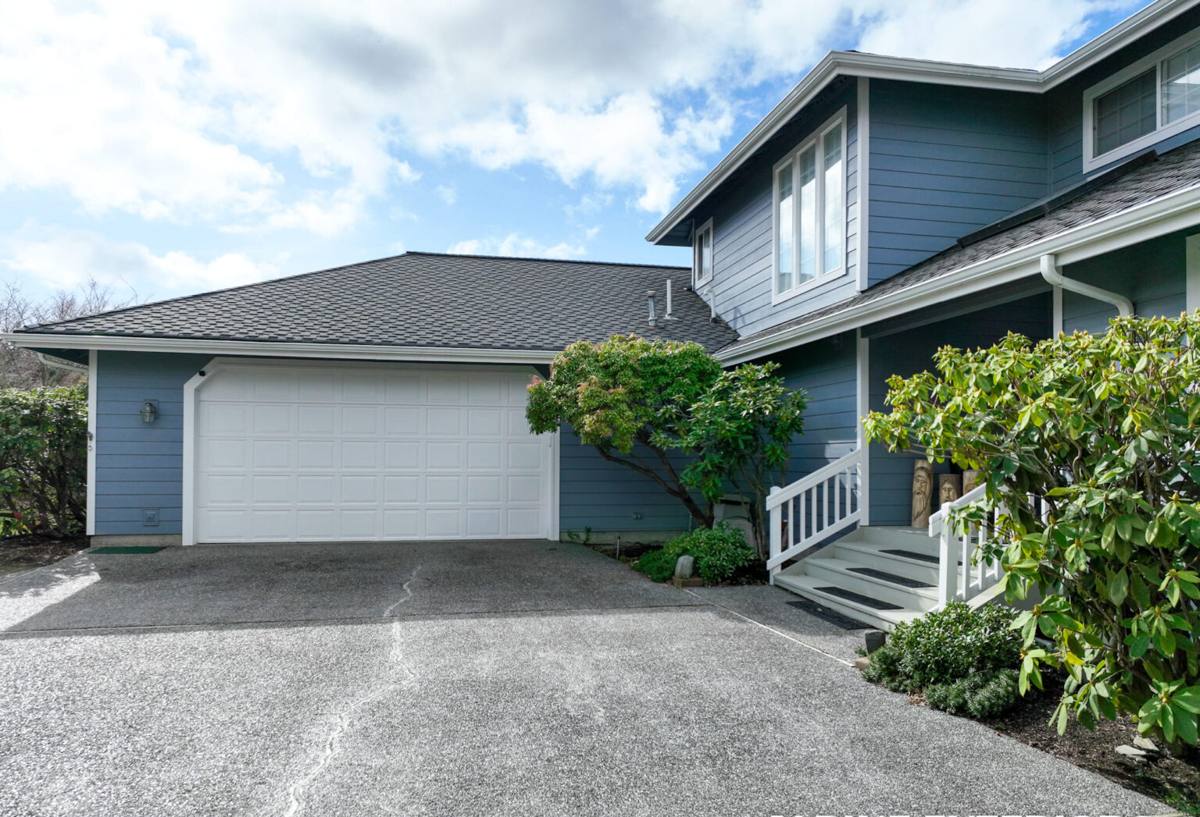
Why Bow's Climate Is Hard on Decks
Salt Air and Corrosion
Proximity to the bay means airborne salt settles on everything outside, including deck hardware. Standard zinc-coated fasteners and connectors that would be fine forty miles inland can start corroding here in a few years. Once a joist hanger or ledger bolt weakens, it's not a cosmetic problem — it's a structural one, and it's hidden until something moves or fails.
Driving Rain
Wind-driven rain doesn't just fall on a deck, it gets pushed sideways into any gap it can find — behind ledger boards, under railing posts, into end-grain cuts that weren't sealed. Water that gets trapped against a house's rim joist or sheathing is one of the most common causes of hidden rot we find when we open up an old deck attachment.
Moss Season
Shaded yards, tree cover, and months of damp weather mean moss and algae aren't an occasional nuisance here — they're a season. Moss holds moisture against decking boards long after a dry-climate deck would have shed water, which accelerates wood decay and makes boards slick and dangerous underfoot.
What a Correctly Built Deck Involves
A deck that's going to survive this climate isn't about one special product — it's about a handful of details done right, every time, in the order that keeps water moving away from wood and metal instead of sitting on it.
- Ledger board flashed with a proper flashing membrane and metal drip cap, never just caulked to the house siding
- A ventilated air gap or approved standoff hardware between the ledger and the wall so trapped moisture can escape
- Corrosion-resistant hardware — stainless steel or heavy hot-dip galvanized rated for coastal exposure, not standard exterior-grade fasteners
- Joist tape or a comparable protective cap on the top of every joist to keep water out of end grain and fastener holes
- Decking gapped correctly for drainage and airflow underneath, not tight-fit for looks
- Footings set below frost depth and sized for the actual soil conditions on the lot, not a generic minimum
- Railing posts through-bolted to framing, not just lag-screwed into a single joist
Skip any one of these and the deck can still look fine on the day it's finished. The failures we get called out to fix are almost always one of these steps done halfway.
Choosing the Right Decking Material
There's no single "correct" decking material for Bow — there's a real tradeoff between upfront cost, appearance, and how much upkeep you're willing to do given the moss and moisture here.
| Material | How It Handles This Climate | Maintenance |
|---|---|---|
| Cedar | Naturally rot-resistant and handsome, but needs sealing to keep moisture and moss from taking hold | Annual cleaning, re-sealing every 2-3 years |
| Pressure-treated fir/pine | Budget-friendly structural standard; surface needs protection or it grays and stays damp longer in shade | Regular cleaning, sealing every 1-2 years |
| Capped composite | Sheds water and resists moss staining better than wood; color and grip stay consistent | Periodic washing, no sealing/staining |
| PVC decking | Fully synthetic, most resistant to moisture and moss growth; higher upfront cost | Low — occasional washing |
We'll walk through this against your budget and how much shade the deck gets, since a shaded deck under trees needs a different plan than one out in the open.
Framing, Footings, and Structural Details
Under the decking, the framing is what actually determines whether a deck is safe. Footing depth has to account for Skagit County's frost line and the specific soil on the lot — some Bow properties sit on heavier, wetter soil that behaves differently than sandy or well-drained ground nearby. We size footings and beam spans to the actual load and span, not a rule of thumb, and we pull the required county permit and inspection rather than treating it as optional paperwork.
Ledger Attachment
Since the ledger board ties the whole deck to your house, it gets the most attention: correct flashing, correct fastener spacing and type, and a wall condition check before we attach anything. If the sheathing behind an old ledger is already showing moisture damage, we address that before the new deck goes up, not after.
Railings, Stairs, and Code
Washington building code sets specific requirements for guard height, baluster spacing, and stair rise/run, and Skagit County enforces those through the permit and inspection process. Beyond meeting code, railing posts need to be bolted through solid framing members so they don't loosen over time from wind load and moisture cycling. We build stairs with the same fastener and flashing standards as the rest of the deck, since exposed stair stringers take even more direct rain than a covered or open deck surface.
Moss, Mildew, and Long-Term Maintenance
Whatever material you choose, a Bow deck needs a maintenance rhythm that accounts for the moss season rather than fighting it once a year. That means:
- Clearing debris and standing water from board gaps before it can hold moisture
- Washing surfaces at least once a year to remove algae and moss film before it stains or gets slick
- Re-sealing wood decking on the schedule the product actually needs, not "whenever it looks dry"
- Checking fasteners and railing connections periodically for corrosion or looseness
- Trimming back overhanging branches to cut down on shade and leaf litter where practical
We'll tell you honestly what upkeep your chosen material actually requires before you commit to it — a low-maintenance composite deck still needs occasional washing, and a cedar deck without regular sealing will age fast in this climate.
Our Process for Bow Deck Projects
We start with an on-site look at the house, the ledger wall condition, sun/shade exposure, and drainage on the lot, since those drive every material and structural decision. From there we put together a written design and quote covering framing, decking, railing, and fastener specifications, so there's no ambiguity about what's included. Once you approve the plan, we handle the county permit, schedule the build, and coordinate required inspections. We walk the finished deck with you before calling the job done, and we tell you plainly what maintenance it needs going forward.
What Affects the Cost of a Custom Deck
| Factor | Why It Matters |
|---|---|
| Deck size and shape | More square footage and multiple levels or angles increase framing and decking material |
| Decking material choice | Composite and PVC cost more upfront than wood but reduce long-term maintenance |
| Height and stair count | Taller decks need more substantial footings, framing, and additional stair structure |
| Railing style | Cable, glass, or custom railing systems cost more than standard baluster railing |
| Site access and soil | Difficult access or poor soil conditions can add to footing and labor costs |
| Permit and inspection scope | Larger or attached decks require more thorough permitting and inspection steps |
Broad ranges for a well-built custom deck run from a modest budget-conscious wood deck up into a larger multi-level composite or PVC deck with custom railing — the details above are what actually move the number, and we'll break that down clearly in your quote rather than giving you one flat figure that doesn't reflect your project.
Why Hire a Crew That Already Works in Bow
A contractor who mostly builds decks in drier parts of the state can still build something that looks right — the difference shows up two or three winters later, once the salt air, driving rain, and moss have had time to work on the parts they didn't account for. Working regularly throughout Skagit County means we already know which details matter most for a Bow property: the fastener grade, the ledger flashing, the footing depth for local soil, and the maintenance schedule that actually fits this climate. That's the difference between a deck you enjoy for a season and one that holds up for decades.
If you're planning a new deck or replacing one that's showing its age, we're happy to come take a look and put together a free, no-pressure estimate — just fill out the form below.