 Skagit County
 Energy-Efficient Windows for March Point Homes
March Point sits close enough to the water that homes here take a different kind of beating than houses ten miles inland. Salt-laden air off the bay works into window frames and hardware, wind-driven rain finds every gap in a poor seal, and the long gray stretch of a Skagit County winter means moss and moisture pressure on siding and trim for months at a time. Windows are one of the biggest culprits when a house feels drafty, when heating bills climb, or when condensation starts fogging up the glass between panes. Getting them right isn't just about comfort — it's about protecting the wall assembly behind them from water that has nowhere good to go once it gets in.
This page covers what we actually do when we replace or upgrade windows on a March Point home: what the climate demands, how a correct installation works, and why hiring a crew that already knows this stretch of Skagit County matters more than most homeowners realize until something goes wrong.
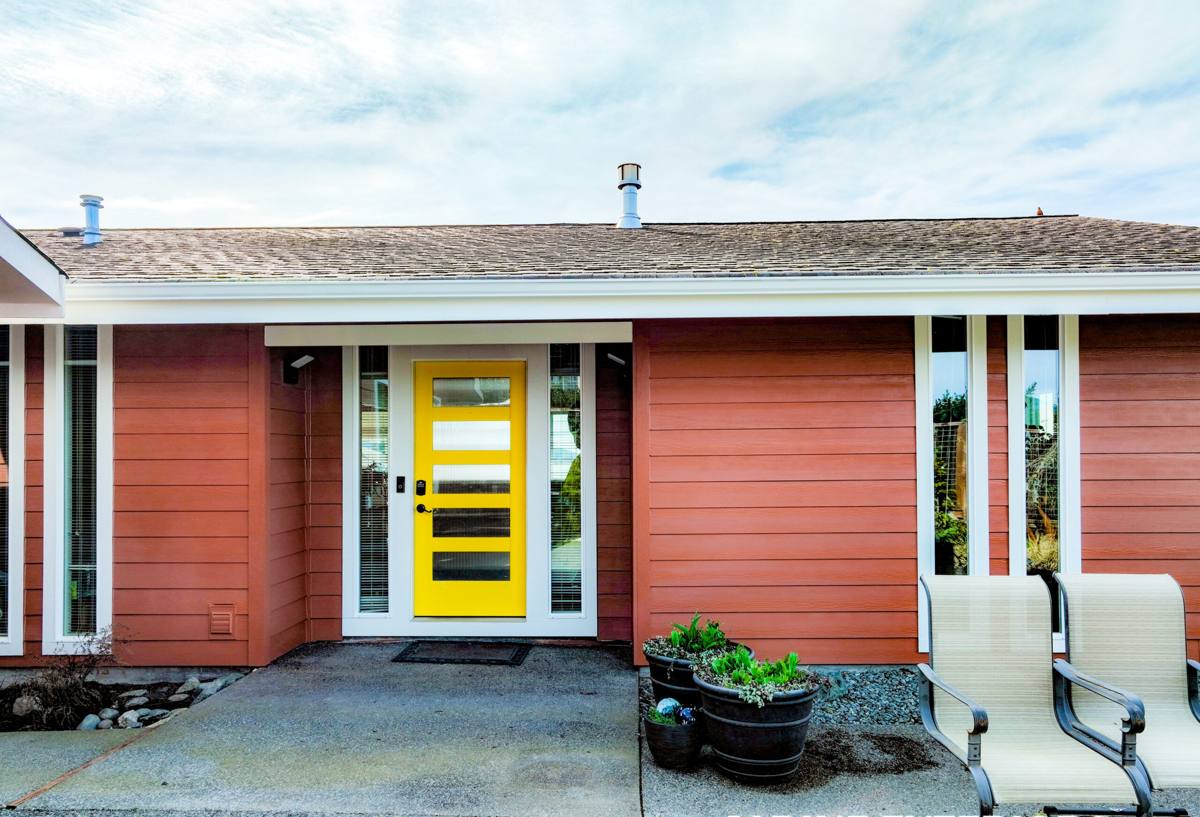
What March Point's Climate Does to Windows
Salt Air and Hardware
Proximity to saltwater accelerates corrosion on anything metal — window locks, hinges, screen frames, and especially older aluminum-framed windows. Once hardware starts seizing up or pitting, seals around it stop doing their job, and that's when air and water start finding their way in around the sash.
Driving Rain
Storms coming off the water don't just fall straight down here — wind pushes rain sideways into wall assemblies and window openings. A window that would be fine in a calmer inland location can still leak in March Point if the flashing details and sealants weren't installed with wind-driven rain specifically in mind.
Moss and Prolonged Moisture
Skagit County's long wet season keeps siding, trim, and window sills damp for extended stretches. That's exactly the environment moss and mildew like, and it's also the environment that punishes any window installation with weak caulking, poor drainage, or missing sill pans. Water that sits instead of shedding is what eventually causes rot in the framing around a window, not the rain itself.
Signs a March Point Home Needs New or Upgraded Windows
- Visible condensation or fogging between panes on double or triple-pane windows (a sign the seal has failed)
- Cold drafts near the window frame even when it's fully closed and locked
- Soft or discolored wood trim/sill at the base of the window
- Windows that are hard to open, close, or lock — often a sign of frame warping or corroded hardware
- Noticeably higher heating bills compared to similar-sized homes nearby
- Paint or finish peeling on interior trim near the glass, which points to moisture getting past the seal
- Visible gaps or daylight around the frame when viewed from inside
What "Energy-Efficient" Actually Means for This Area
Energy-efficient windows aren't just a marketing label — they're rated on specific performance numbers, and which numbers matter most changes depending on climate. In the Pacific Northwest, the priority is usually keeping heat in during long wet winters while still managing solar heat reasonably in summer. Two ratings matter most for a March Point home:
| Rating | What It Measures | Why It Matters Here |
|---|---|---|
| U-Factor | How well the window prevents heat from escaping | Lower is better for our cool, wet winters — this is the number that most affects heating costs |
| Solar Heat Gain Coefficient (SHGC) | How much solar heat passes through the glass | Moderate values are usually fine here since we don't get the intense summer sun of drier climates |
| Air Leakage Rating | How much air passes through the assembly | Directly tied to draft complaints and comfort near window seating areas |
| Condensation Resistance | How well the window resists interior condensation | Relevant given our humidity levels and heating patterns through the wet season |
We also pay attention to frame material behavior in salt air. Vinyl and fiberglass frames generally hold up better against corrosion than bare aluminum, and we'll talk through the trade-offs — cost, appearance, longevity, maintenance — honestly rather than push one product line as a default.
What a Correct Installation Involves
Removal Without Damage
Pulling an old window out cleanly matters as much as putting the new one in. We check the rough opening for hidden rot or water damage before anything new goes in — this is often where problems from a prior bad install get uncovered.
Flashing and Drainage Plane
This is the step that decides whether a window leaks in five years. The flashing has to integrate with the house's water-resistive barrier so that any water that gets behind the siding or trim is directed back out, not trapped against the framing. Given how much sideways rain March Point gets, we don't treat this as optional or "good enough" — it's the difference between a window that lasts and one that causes a rot repair down the line.
Sill Pans
A sloped sill pan under the window gives any water that does get past the exterior seal somewhere to go besides straight down into the wall framing. It's a small detail that's easy to skip and expensive to regret.
Air Sealing and Insulation
Low-expansion foam or backer rod and sealant around the frame — not stuffed fiberglass batting — is what actually stops air infiltration without bowing the frame out of square.
Exterior Sealant Selection
We use sealants rated for the temperature swings and UV exposure typical of this area, and we don't caulk over gaps that should have been flashed instead. Caulk is a finish detail, not a substitute for correct water management.
Our Process for March Point Projects
- On-site assessment — we look at existing windows, check for signs of water intrusion around openings, and note anything unusual about the home's exposure (wind direction, tree cover, proximity to water)
- Product recommendation — we walk through frame material and glass package options suited to this specific home and budget, without steering you toward the most expensive option by default
- Written estimate — clear on scope, materials, and what's included so there are no surprises mid-project
- Removal and inspection — old windows come out, and we flag any hidden framing damage before proceeding
- Installation — flashing, sill pans, air sealing, and sealant work done to hold up against wind-driven rain and salt air
- Final check — operation, seal, and cleanup review before we consider the job done
Cost Factors Homeowners Should Know
Every March Point home is different, so we won't quote a number without seeing the job, but these are the factors that typically move the price:
| Factor | Why It Affects Cost |
|---|---|
| Frame material (vinyl, fiberglass, wood-clad) | Different upfront cost and long-term maintenance profile |
| Number and size of windows | Larger openings and more units mean more material and labor |
| Condition of existing framing | Hidden rot or water damage found during removal adds repair scope |
| Glass package (double vs. triple pane, low-E coatings) | Higher performance glass costs more but lowers long-term energy use |
| Access and story height | Second-story or hard-to-reach windows take more time and equipment |
| Trim and finish work | Matching existing trim profiles or repainting adds labor |
Why Local Experience with March Point Homes Matters
A window installer who mostly works dry, inland jobs can still do competent work — but they may not automatically account for wind-driven rain coming off the water or the corrosion rate salt air causes on hardware and fasteners. Crews who already work this stretch of Skagit County know to spec corrosion-resistant fasteners, to treat flashing as non-negotiable rather than a step to rush, and to recognize early signs of moss and moisture damage on the siding and trim surrounding a window before they turn into structural repairs. That local pattern-recognition is hard to fake and it's the main reason experience in this specific area is worth asking about when you're vetting a contractor.
Maintenance After Installation
- Rinse salt residue off frames and glass periodically, especially after storms
- Check and lubricate hardware (locks, hinges) annually to prevent salt-air corrosion from seizing moving parts
- Inspect exterior caulk lines yearly and re-seal any cracked or peeling sections promptly
- Keep gutters and downspouts clear so roof runoff doesn't cascade down onto window heads
- Watch for moss buildup on nearby siding or trim and address it before it holds moisture against the wall
- Wipe down interior sills during the wet season to catch condensation before it damages wood finishes
If you're dealing with drafty windows, fogged glass, or just want a straight answer on whether it's time to replace what you have, we're happy to take a look. Reach out for a free, no-pressure estimate using the form below — we'll give you an honest read on your March Point home's windows and what, if anything, makes sense to do next.