 Skagit County
 Windows in March Point Face a Different Kind of Weather
March Point sits right where Skagit County's marine air meets open water, and that combination is harder on windows than most homeowners realize until they're dealing with a failure. Salt-laden air corrodes hardware and metal components faster than it does even a few miles inland. Driving rain off the water pushes moisture sideways into gaps that would stay dry on a calmer site. And the long, damp shoulder seasons this part of Washington gets mean moss and algae get a head start on any surface that holds water, including window sills, trim, and the flashing above and below the frame.
None of that is a reason to avoid quality windows — it's a reason to install them correctly the first time. A window that's flashed, sealed, and set the right way will handle March Point's climate for decades. One that's rushed or installed with shortcuts will show problems — fogging, soft trim, drafts, staining — years before it should.
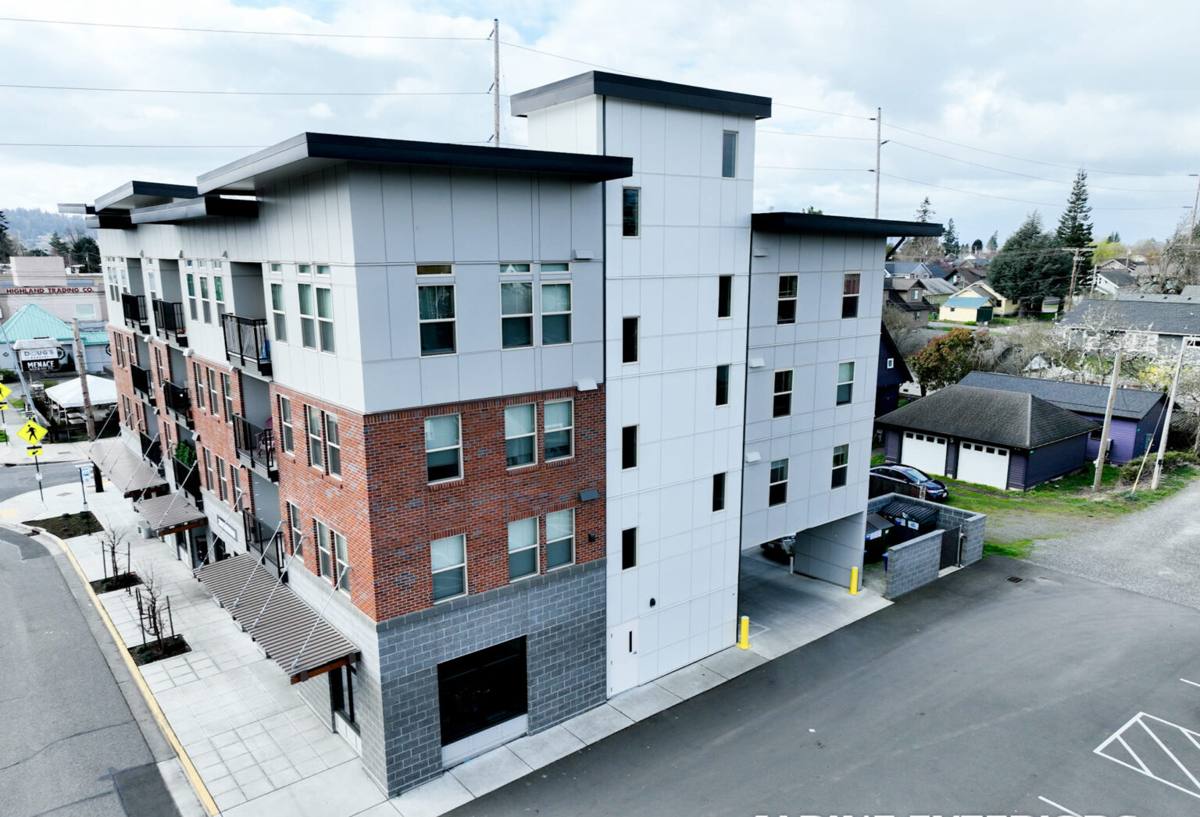
What Local Homes Actually Need From a Window Install
We look at four things on every March Point job before we ever talk product options:
- Corrosion-resistant hardware. Salt air pits cheap latches, hinges, and screws faster than most people expect. We spec hardware rated for coastal exposure, not the standard-grade parts that work fine 20 miles inland.
- Water management, not just sealant. Caulk alone is not a water barrier — it's a backup. The flashing, house wrap integration, and sill pan underneath the window do the real work of keeping driving rain out.
- Drainage at the sill. Any water that does get behind the window needs a path back out. A sill pan with a slight slope and weep path matters more here than in drier parts of the state.
- Surfaces that don't trap moisture. Trim profiles and sill design that shed water instead of pooling it cut down on the moss and algae growth this area is known for.
Signs Your Current Windows Are Losing the Fight
Most window failures in this area show up gradually, and homeowners often chalk them up to "old house" problems rather than a moisture issue that's actively damaging the wall behind the window. Watch for:
- Fogging or moisture between panes of a double- or triple-glazed unit — the seal has failed and the gas fill is gone
- Soft or spongy trim and sill wood when pressed
- Visible staining or streaking below the window, especially after a hard rain
- Moss or green growth building up on the sill or trim faster each season
- Noticeable draft or a cold spot near the window frame in winter
- Hardware that's stiff, corroded, or has visible rust/pitting
Any one of these on its own isn't an emergency. Several together, or staining paired with soft wood, usually means water has been getting behind the window for a while and it's worth having someone look at the wall assembly, not just the glass.
What a Correct Installation Actually Involves
Removal Without Damage
Pulling the old window carefully matters as much as putting in the new one. We check the rough opening, sheathing, and framing for hidden rot or moisture damage before anything new goes in — this is often the first time a homeowner learns there's been a slow leak they couldn't see from inside.
Sill Pan and Flashing Sequence
Every opening gets a sloped sill pan so any water that reaches that point drains back outside instead of sitting against the framing. Flashing tape and house wrap get layered in the correct shingle-style order — top piece overlapping the one below it — so water is always directed downward and outward, never trapped behind a layer.
Setting and Shimming
The window has to sit level, plumb, and square in the opening, shimmed at the right points so the frame doesn't bow under fastening pressure. A window that's slightly racked will bind, won't seal evenly, and puts uneven stress on the glass unit over time.
Insulation and Air Sealing
The gap between the window frame and the rough opening gets filled with a low-expansion foam or backer rod and sealant — never packed tight with fiberglass alone, which does little to stop air movement and nothing to stop bulk water.
Exterior Sealant and Trim
Sealant goes at the specific points the manufacturer's install instructions call for, not everywhere. Over-sealing can actually trap water inside the assembly instead of letting it drain — a common mistake that causes hidden rot years later. Trim gets set to shed water away from the frame.
Comparing Window Options for a Coastal Skagit County Site
| Frame Material | Salt Air / Moisture Behavior | Maintenance | Typical Trade-Offs |
|---|---|---|---|
| Vinyl | Doesn't corrode; handles moisture well | Low — occasional cleaning | Limited color/repaint options; frame flexes more in large sizes |
| Fiberglass | Very stable in wet, salty air; minimal expansion/contraction | Low | Higher upfront cost than vinyl |
| Aluminum | Conducts cold and can corrode faster near salt air without proper coating | Moderate | Prone to condensation on the frame in our climate unless thermally broken |
| Wood (clad exterior) | Good if the exterior cladding is intact; interior wood still needs protection | Higher — clad exterior needs monitoring, interior finish needs upkeep | Best appearance option for some homes; more sensitive to installation quality |
We don't push one material on every job. A lot of it comes down to the home's exposure — how directly it faces the water and prevailing weather — and what the homeowner wants to maintain long-term. What we won't do is install a product in a way that ignores how it actually behaves in wet, salty conditions just because it's faster or cheaper to install that way.
Our Process, Start to Finish
- On-site assessment. We look at the existing windows, the wall assembly where accessible, and the home's specific exposure to wind-driven rain and salt air.
- Honest recommendation. We'll tell you if a window can be repaired or resealed instead of replaced — replacement isn't always the answer.
- Written estimate. Clear scope, materials, and price before any work starts. No surprise add-ons mid-project.
- Careful removal and inspection. We check the opening for hidden damage before installing anything new.
- Correct installation sequence. Sill pan, flashing, window, insulation, sealant, trim — in that order, every time.
- Final walkthrough. We check operation, seals, and finish with you before we consider the job done.
Why It Matters That We Already Work in March Point
A crew that installs windows across a wide range of inland climates isn't automatically bad — but they're guessing at exposure they haven't dealt with before. A crew that regularly works this stretch of Skagit County knows which sides of a house typically take the worst driving rain, how fast moss builds up on north-facing trim here, and which hardware and sealant choices actually hold up against salt air over years, not just on the day of install. That local pattern recognition is the difference between a window that's a maintenance headache in five years and one that isn't.
Cost Factors to Expect
We don't quote prices without seeing the job, but these are the main things that move the number up or down:
| Factor | Why It Affects Cost |
|---|---|
| Number of windows | Per-window cost typically drops on larger multi-window jobs |
| Frame material | Vinyl is generally the lowest upfront cost; fiberglass and clad wood run higher |
| Opening condition | Rot or damage found behind old windows adds repair work before install |
| Window size and type | Larger units, custom shapes, or operable styles like casements cost more than standard sliders |
| Access and site conditions | Second-story or hard-to-reach windows take more time and equipment |
What to Ask Any Contractor Before You Hire
Whether you call us or someone else, these questions will tell you a lot about who you're hiring:
- Do you install a sloped sill pan on every window, or just when it's asked for?
- What's your flashing sequence, and can you explain why it's in that order?
- Are you licensed and insured to work in Washington, and can you show proof?
- Will you check the rough opening for hidden rot before installing the new window?
- What warranty covers the installation itself, separate from the manufacturer's product warranty?
- Have you worked on homes in this immediate area before, and what exposure issues did you run into?
If a contractor can't answer the flashing and sill pan questions clearly, that's a red flag regardless of how good the window product itself is — the installation is what determines whether that product performs.
Get a Straight Answer on Your Windows
If you're dealing with drafts, staining, fogged glass, or windows that just feel like they're losing the battle against the weather, we're glad to take a look. We'll give you an honest read on whether you need replacement, repair, or nothing at all — and a written estimate with no pressure to sign anything on the spot. Use the form below to request a free estimate for your March Point home.