 Skagit County
 Why Skyline Homes Need a Different Approach to Window Replacement
Skyline sits in a stretch of Skagit County where homes take a steady beating from three things at once: salt-laden air moving in off the water, driving rain that hits window walls at an angle instead of straight down, and a long moss season that keeps everything damp for months at a time. Windows here don't fail the way they do in a dry inland climate. They fail at the joints, the sills, and the flashing — the places where water gets in and never fully dries out between storms. A window replacement in Skyline isn't just a cosmetic upgrade. It's a chance to fix the water management details that the original install may have gotten wrong, or that have simply worn out after years of exposure.
We're not writing this as a general "why replace your windows" pitch. This page is specifically about what Window Replacement looks like for homes in and around Skyline, given the conditions those homes actually sit in.
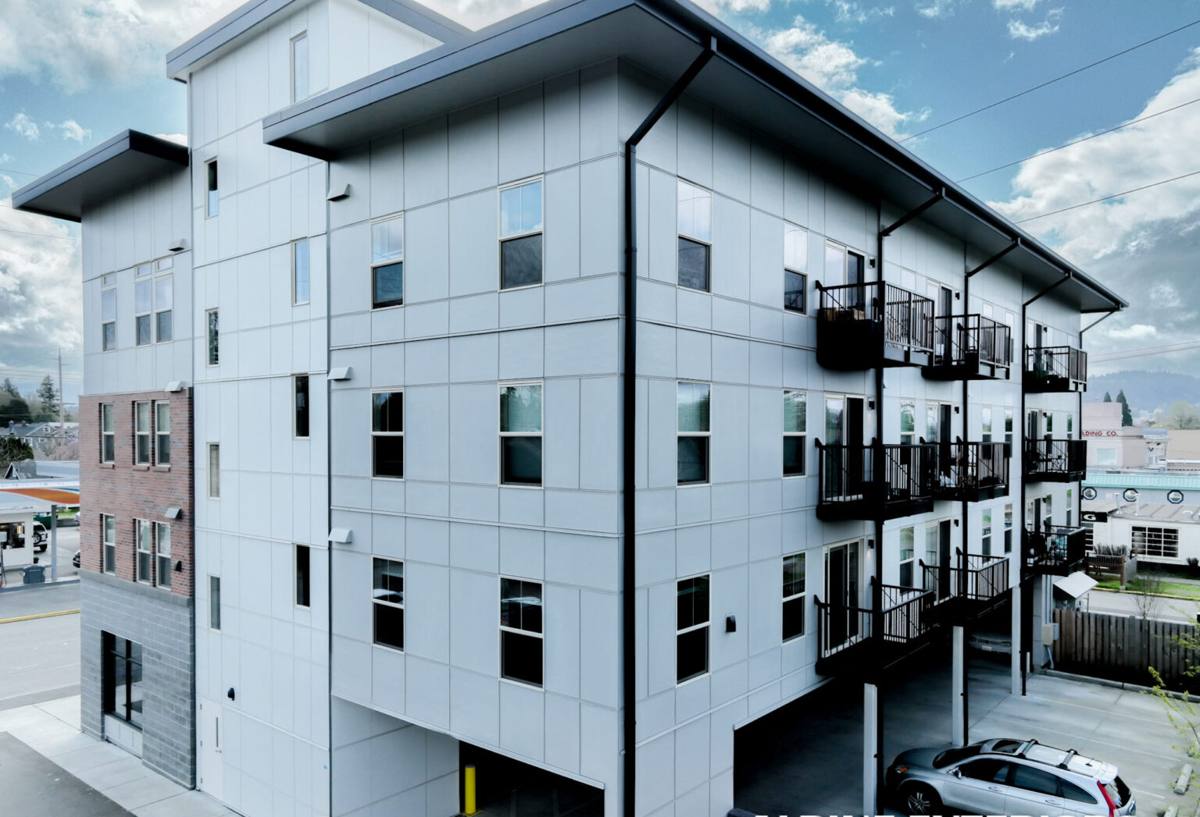
How Skagit County's Climate Wears Down Old Windows
Salt Air and Metal Corrosion
Homes closer to the water pick up airborne salt that settles on window hardware, aluminum frames, and fasteners. Over time this accelerates corrosion on hinges, balance systems, and screws — parts that are easy to overlook until a window won't latch or lock properly anymore. Vinyl and fiberglass frames resist this better than bare aluminum, but even those systems have metal components inside that can be affected if the frame isn't sealed well.
Driving Rain and Sill Rot
Wind-driven rain doesn't just run down glass — it gets pushed sideways and up under trim, sills, and poorly lapped flashing. On older Skyline homes, especially those with original wood-framed windows or early vinyl replacements, this is the number one cause of hidden rot. By the time you see staining or soft wood on the interior sill, water has often been getting behind the wall for a while.
Moss and Prolonged Moisture
A long moss season means more days where wood trim, caulking, and exterior sills stay damp instead of drying out between rains. Moss and organic growth hold moisture against the window opening, which breaks down caulk and paint faster than in a drier climate and gives rot a head start. It's a slow process, which is exactly why it catches homeowners off guard — the damage is usually well underway before it's visible from inside.
Signs Your Skyline Home's Windows Need Replacing
Not every issue means a full replacement, but these are the signs we look for on Skyline homes that usually do:
- Soft or discolored wood at the interior sill or bottom corners of the frame
- Fogging or moisture between panes on double- or triple-glazed units (a sign the seal has failed)
- Windows that are hard to open, close, or lock — often a sign of a warped or swollen frame
- Visible gaps or cracked caulk between the window and siding
- Drafts you can feel near the frame on a windy day, even with the window shut
- Paint that keeps peeling or bubbling on the exterior trim no matter how often it's redone
- Noticeable temperature difference near the window compared to the rest of the room
What a Correct Window Replacement Job Involves
Removal and Inspection
Pulling the old window is also our best chance to see what's actually happening in the wall opening — whether the sheathing is sound, whether prior flashing was installed correctly, and whether there's any rot that needs to be cut out and repaired before a new window goes in. On a home in a wet, salt-exposed area like Skyline, skipping this step is how new windows end up failing early for reasons that have nothing to do with the window itself.
Flashing and Water Management
This is the part of the job that doesn't show once it's finished, and it's the part that matters most in this climate. Proper flashing tape and drainage planes need to shed water down and out, not trap it behind the new window. We follow a shingle-lap sequence — sill pan first, then side flashing, then head flashing lapped over the top — so water is always directed outward, not into the wall assembly.
Insulation and Air Sealing
Gaps around the new frame get filled with low-expansion foam or backer rod and sealant, not just stuffed with fiberglass. This cuts drafts and also keeps moist air from reaching cold surfaces inside the wall cavity, which matters given how humid it stays here for much of the year.
Interior and Exterior Finish
Exterior caulking, trim, and paint or stain need to hold up to sun, rain, and salt air without needing constant touch-up. Interior trim gets reset cleanly so the finished opening looks original to the house, not like an obvious retrofit.
Choosing the Right Window for Skyline's Exposure
Frame material matters more here than in a mild, dry climate. Here's how the common options compare for a home dealing with salt air, wind-driven rain, and a long damp season:
| Frame Material | Moisture & Salt Resistance | Maintenance | Typical Lifespan |
|---|---|---|---|
| Vinyl | Good — won't rot or corrode, some UV fading over decades | Low — occasional cleaning | 20–30 years |
| Fiberglass | Very good — dimensionally stable, resists warping in temperature swings | Low | 30+ years |
| Wood-clad | Fair — cladding protects exterior, but any breach exposes wood to rot | Higher — cladding seams need periodic inspection | 20–25 years if well maintained |
| Bare aluminum | Poor near salt air — prone to corrosion and condensation | Moderate | 15–20 years |
We don't install bare aluminum frames in areas this close to salt exposure — not because the material is inherently bad everywhere, but because the corrosion risk and condensation issues it brings in this specific climate create maintenance headaches we'd rather not hand a homeowner. For most Skyline homes, vinyl or fiberglass strikes the right balance of cost, durability, and low upkeep.
Glass Packages Worth Considering
Double-pane with a low-E coating and argon fill is the standard we recommend for this area — it cuts heat loss in the cooler months and reduces solar gain in summer without the added cost of triple-pane, which usually isn't necessary at this latitude. If a room faces prevailing wind and rain directly, we'll sometimes suggest a slightly heavier-duty seal system or impact-resistant glass, mainly for durability against wind-driven debris rather than for storm severity.
Our Process From Estimate to Cleanup
- On-site visit to measure openings, check for rot or water damage, and discuss frame material and glass options
- Written estimate with a clear scope — no vague line items
- Scheduling built around weather windows, since we won't install into an open wall during a heavy rain forecast
- Removal, inspection, and any needed repair of the rough opening before the new window goes in
- Installation with proper flashing sequence, insulation, and air sealing
- Interior and exterior finish work to match the surrounding trim
- Final walkthrough and cleanup — old windows and debris hauled off, not left for you to deal with
Why Hire a Crew That Already Works in Skyline
A contractor who works this part of Skagit County regularly already knows which details matter most for homes with this kind of exposure — how far to lap flashing given the prevailing wind direction, which frame materials hold up and which don't, and what local permitting or inspection expectations look like for window replacements. That local track record means fewer surprises mid-project and a finished job that's built for the conditions your home actually faces, not a generic installation that happens to be located here.
Cost Factors to Expect
Every home is different, so we won't quote a number without seeing the openings, but a few things consistently move the price on Skyline projects:
- Number of windows and whether sizes are standard or custom
- Frame material chosen (vinyl, fiberglass, or wood-clad)
- Whether rot repair or rough opening work is needed once the old window comes out
- Glass package — standard double-pane low-E versus upgraded options
- Trim and finish work required to match existing siding or interior casing
If you're weighing whether it's time to replace windows on a Skyline home, we're happy to take a look and give you a straight answer — including telling you if a repair makes more sense than a full replacement. Fill out the form below for a free, no-pressure estimate.