 Skagit County
 Asphalt Shingle Roofing in Clear Lake: Built for the Conditions, Not Just the Look
Clear Lake sits in a part of Skagit County where roofs earn their keep. The combination of salt-laden air moving in from the coast, long stretches of driving rain, and a moss season that seems to start earlier every year means a roof here works harder than the same roof would thirty miles inland. Asphalt shingle roofing remains the most practical, cost-effective choice for the majority of homes in this area — but only when it's specified and installed with this specific climate in mind. A shingle roof that would hold up fine in a dry eastern Washington town can fail early in Clear Lake if the underlayment, ventilation, and flashing details aren't matched to what our weather actually does.
This page covers what an asphalt shingle roof needs to perform well on a Clear Lake home, what a correct installation actually involves, and how we approach the job from first inspection to final cleanup.
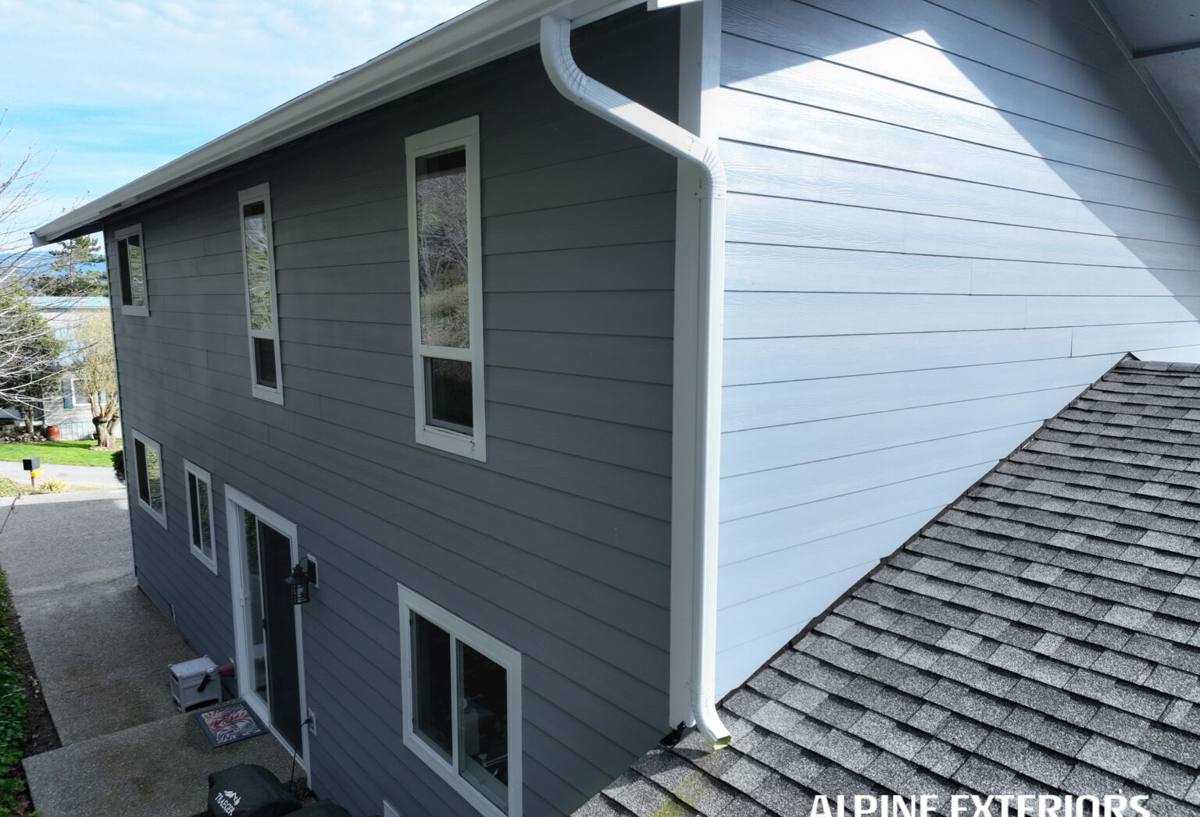
What Skagit County Weather Does to a Shingle Roof
Three factors drive almost every shingle roofing problem we see in this area:
Salt Air
Even set back from the water, homes in Skagit County pick up airborne salt that accelerates corrosion on exposed metal — nails, flashing, vents, and fasteners. Standard electro-galvanized fasteners can start showing rust streaks on a shingle roof well before the shingles themselves are due for replacement. That corrosion isn't just cosmetic; a corroded nail loses holding power, and a compromised flashing seam is where leaks start.
Driving Rain
Rain here doesn't just fall straight down — wind-driven storms push water sideways and up under shingle edges, valleys, and anything with a horizontal seam. A roof detailed for calm, vertical rainfall will underperform in a wind-driven storm. Underlayment coverage, shingle overlap, and valley treatment all matter more here than they would in a milder climate.
Moss and Sustained Moisture
Shaded, north-facing slopes and roofs under tree cover stay damp for extended stretches, which is exactly what moss needs to establish. Once moss takes hold, it lifts shingle edges, holds moisture against the roof deck, and accelerates granule loss. Moss season in this part of Skagit County can run for months, not weeks, which is longer than what a lot of shingle products and installation methods were designed to tolerate without extra attention.
What a Correct Asphalt Shingle Installation Includes
A shingle roof is a layered system, and every layer matters. Cutting a corner on any one of them shortens the life of the whole roof, even if the shingles on top look fine for a few years.
- Deck inspection and repair: Soft, delaminated, or water-damaged sheathing gets replaced before anything new goes down — covering a bad deck just hides the problem.
- Ice-and-water shield at vulnerable areas: Eaves, valleys, and roof-to-wall transitions get a self-adhering waterproof membrane, not just standard felt, because these are the spots where wind-driven rain and ice damming cause the most damage.
- Synthetic underlayment across the field: A full underlayment layer protects the deck during construction and adds a second line of defense against wind-driven rain that gets under shingles.
- Corrosion-resistant fasteners: Given the salt air here, fastener quality isn't optional — it directly affects how long the roof holds together.
- Properly lapped, sealed flashing at chimneys, skylights, walls, and any roof penetration.
- Correct nailing pattern for the specific shingle product and the local wind exposure, following manufacturer specifications rather than a generic pattern.
- Balanced intake and exhaust ventilation so the attic can actually dry out between wet periods.
Ventilation: The Detail That Determines How Long the Roof Lasts
Ventilation doesn't get much attention from homeowners, but in a climate like ours it's one of the biggest factors in shingle lifespan. A roof deck that can't breathe stays damp longer after every storm, which feeds moss growth from underneath and can cause shingles to curl or lose adhesion from the back side, not just the front. Proper ventilation means balanced intake at the eaves and exhaust at or near the ridge, sized to the attic volume — not just a vent added wherever it's easiest to cut a hole. When we replace a roof, we check existing ventilation as part of the job rather than assuming it was done right the first time.
Choosing a Shingle Product for This Climate
Not every asphalt shingle is built the same, and the differences matter more here than they would in a drier region. The table below outlines the main trade-offs we walk homeowners through.
| Shingle Type | Typical Lifespan | Moisture & Moss Resistance | Best Fit |
|---|---|---|---|
| 3-Tab Asphalt | 15–20 years | Standard; benefits from algae-resistant granules | Budget-conscious re-roofs, secondary structures |
| Architectural (Laminate) Asphalt | 25–30 years | Heavier mat, better wind and impact resistance | Most Clear Lake homes; the common recommendation |
| Algae-Resistant (Copper/Zinc Granule) Shingles | Same as base product | Actively resists algae and moss staining/growth | Shaded roofs, north-facing slopes, tree cover |
| Premium/Designer Asphalt | 30+ years | Best-in-class mat and granule technology | Homeowners prioritizing longevity and appearance |
For most Clear Lake homes, we recommend architectural shingles with algae-resistant granules as the baseline, especially on any slope that gets regular shade. The upcharge is modest, and it directly addresses the moss issue rather than just delaying it.
Our Process on a Clear Lake Roof
1. Inspection and Honest Assessment
We start on the roof and in the attic, not just with a drive-by look. We check the deck condition, existing ventilation, flashing points, and how much of the current problem is age versus a fixable detail. If a roof can be reasonably repaired instead of replaced, we say so.
2. Written Scope and Straight Answers
Before any work starts, you get a clear scope of what's being done, what products are being used, and why — including any deck repair or ventilation work that came up during inspection.
3. Tear-Off and Deck Prep
Old roofing comes off down to the deck so we can actually see what we're working with. Any damaged sheathing gets replaced, not patched over.
4. Waterproofing and Underlayment
Ice-and-water membrane goes in at eaves, valleys, and wall transitions, followed by full underlayment coverage — the layers that do the real work in a wind-driven rain event.
5. Shingle Installation
Shingles go down following manufacturer specs for exposure, overlap, and fastening, with attention to wind-prone areas like ridges, hips, and roof edges.
6. Flashing, Ventilation, and Final Details
All flashing is checked or replaced, ventilation is verified or corrected, and every penetration is sealed properly.
7. Cleanup and Walkthrough
The property gets cleaned of debris and nails, and we walk the finished roof with you so you know exactly what was done.
Maintenance: What Actually Keeps a Shingle Roof Healthy Here
A well-installed roof still needs some basic upkeep in this climate. Most of it is simple and doesn't require a contractor visit every time.
- Keep gutters clear so water isn't backing up under the shingle edge during heavy rain
- Trim back overhanging branches to reduce shade, debris, and moss-friendly moisture on the roof
- Have moss treated (not pressure-washed) as soon as it appears rather than letting it spread
- Check attic ventilation periodically to make sure vents aren't blocked by insulation or debris
- After major windstorms, do a visual check for lifted or missing shingles
- Schedule a professional inspection every few years, especially once a roof passes the ten-year mark
What Roofing Costs Actually Depend On
Every roof is different, so we don't quote sight unseen — but the main variables are consistent across most Clear Lake homes:
| Factor | Why It Matters |
|---|---|
| Roof size and pitch | More surface area and steeper slopes both increase labor and material needs |
| Deck condition | Rotten or delaminated sheathing found during tear-off adds material and labor |
| Number of penetrations | Chimneys, skylights, and vents each require flashing work |
| Shingle tier chosen | 3-tab, standard architectural, and algae-resistant/premium products carry different material costs |
| Existing ventilation | Adding or correcting intake/exhaust vents affects labor and materials |
| Access and site conditions | Tree cover, steep grades, or limited staging space can affect labor time |
We give a broad range on the phone if asked, but a firm number only comes after we've actually seen the roof — anything else is a guess, and guesses lead to change orders later.
Why Local Experience on Clear Lake Roofs Matters
A crew that regularly works in this part of Skagit County already knows which slopes hold moss longest, how far wind-driven rain typically pushes under an eave in a bad storm, and which fastener and flashing choices hold up against salt air over time. That's not something you get from a general contractor covering a wide, varied territory — it comes from doing this specific work, in this specific climate, repeatedly. It shows up in fewer callbacks, fewer surprises during tear-off, and a roof that's actually built for the conditions it has to survive, not just a generic spec sheet.
Ready to Talk About Your Roof?
If your Clear Lake home is due for a new roof, or you're not sure whether repair or replacement makes more sense, we're happy to take a look and give you a straight answer. Request a free, no-pressure estimate using the form below.