 Skagit County
 Board & Batten Siding for Avon Homes
Avon sits in the low, flat farmland of the Skagit River delta, a part of Skagit County where moisture doesn't just fall from the sky — it sits in the air, soaks into the ground, and lingers on north-facing walls for weeks at a time. Board and batten siding is one of the most requested looks out here, and for good reason: the vertical lines read as clean, modern, or classic farmhouse depending on the trim and color, and it suits the barns, shops, and homes that make up this stretch of the valley. But board and batten is also one of the least forgiving siding profiles when the material or the installation is wrong. The wide flat boards and narrow battens create more seams, more fastener points, and more places for water to find a way in than a standard lap profile does. Get it right and it's a durable, good-looking system for decades. Get it wrong and you're looking at swollen boards, popped battens, and moss creeping up from the bottom within a few seasons.
This page is about doing board and batten correctly on an Avon home, with a straight explanation of what the local climate demands, what a proper installation actually involves, and why we only put James Hardie fiber cement behind that look.
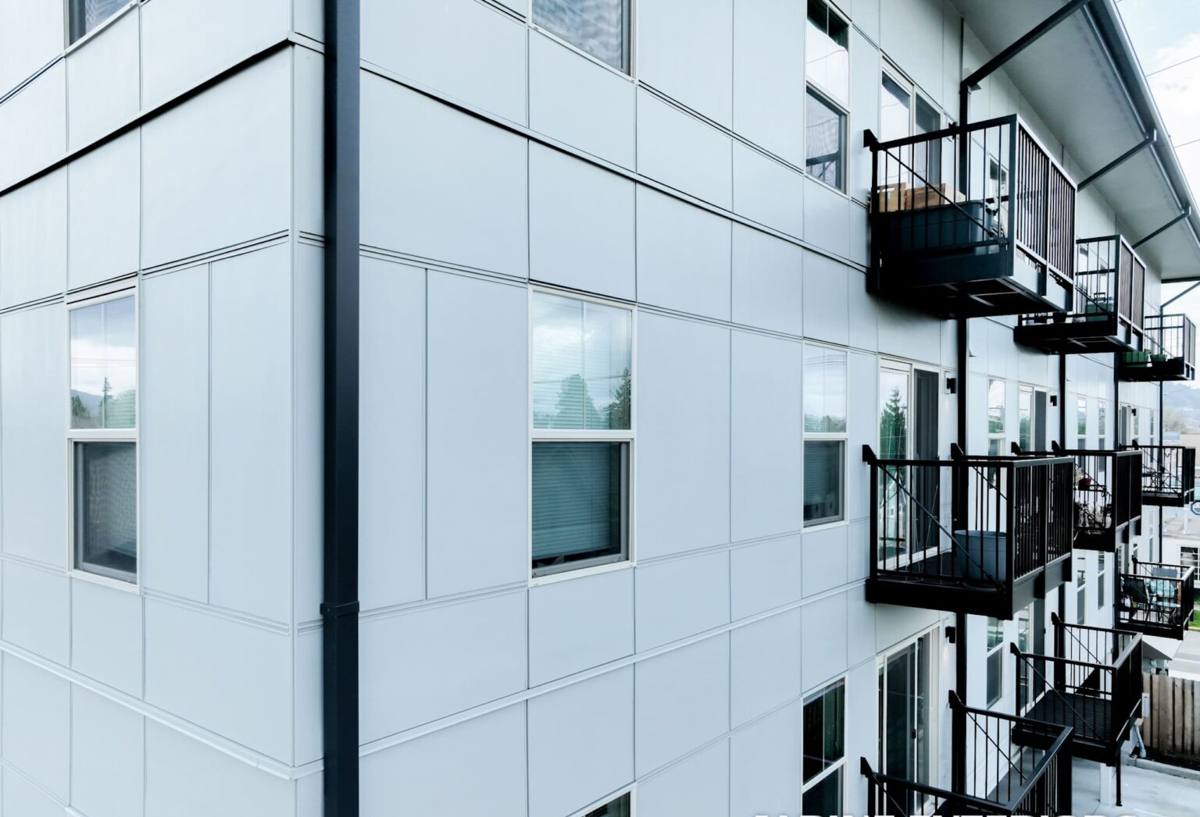
What Avon's Climate Does to a Vertical Siding Profile
Three things define the exterior environment in this part of Skagit County, and all three work against a poorly built board and batten wall.
Salt Air Off Puget Sound
Even away from the immediate shoreline, prevailing winds carry salt-laden moisture inland across the Skagit flats. Salt air accelerates corrosion on fasteners and metal flashing, and it speeds the breakdown of finishes that aren't built to handle it. A batten installed with the wrong fastener, or a panel edge left with exposed, unsealed cut ends, ages faster here than it would forty miles inland.
Driving Rain
Storms coming off the Sound don't just fall straight down — they come in sideways, which matters enormously for a vertical siding pattern. Every horizontal seam behind a batten, every butt joint, and every inside corner is a spot where wind-driven rain can be forced upward and behind the cladding if the drainage plane and flashing details aren't built correctly.
A Long Moss and Algae Season
Skagit Valley's mild, wet stretch runs long — often eight months or more of conditions damp enough to sustain moss, mildew, and algae growth. Board and batten's vertical battens create narrow shaded channels that stay damp longer than a flat wall surface, especially on north- and east-facing elevations shielded from direct sun. Materials that hold moisture, or finishes that aren't algae-resistant, will show green and black staining well before the siding is actually failing structurally — which still costs you curb appeal and, eventually, paint or coating work.
Why Board & Batten Punishes the Wrong Material
Every siding material behaves differently under a vertical batten profile, and the differences show up faster here than in a drier climate.
| Material | How it handles board & batten specifically | Long-term issue in this climate |
|---|---|---|
| Vinyl | Not designed for a true flat-panel-plus-batten look; vertical vinyl panels rely on interlocking channels that can rack and gap | UV and thermal cycling cause visible waviness; poor moisture drainage behind battens |
| Primed spruce / cedar boards | Traditional look, but every board face and batten needs field paint and ongoing recoating | Constant moisture exposure swells raw wood at fastener points and cut ends; repainting cycle is short here |
| LP SmartSide | Engineered wood panel system; requires strict edge sealing at every cut and joint | Any breach in the factory seal at a fastener or field cut lets moisture into the wood strand core |
| James Hardie fiber cement | Purpose-built vertical panel and batten systems (HardiePanel, Artisan) with factory ColorPlus finish | Non-combustible, dimensionally stable, doesn't swell or rot; finish is warranted against fading and cracking |
We install James Hardie exclusively, and board and batten is exactly the profile where that decision matters most. Fiber cement doesn't expand and contract with moisture the way wood-based products do, which means the tight reveals and crisp lines that make board and batten look good stay straight instead of cupping or gapping at the seams. The factory-applied ColorPlus finish is baked on under controlled conditions and covers the cut edges when installers use Hardie's edge-sealing process correctly — a real advantage over field-painted wood in a climate that doesn't give paint much of a chance to fully cure between rain events.
What a Correct Board & Batten Installation Actually Involves
The visual result of board and batten is simple. The assembly behind it is not, and most of the failures we get called out to fix in Skagit County trace back to shortcuts in one of these steps.
Drainage Plane and Rainscreen Gap
Behind every panel there needs to be a properly lapped water-resistive barrier, and in a driving-rain climate like this one, a furring strip or rainscreen gap behind the panel is worth the extra step. That gap lets any moisture that does get past the cladding drain and dry out instead of sitting against the sheathing.
Panel Layout and Fastening
James Hardie specifies exact fastener spacing, minimum panel gaps, and clearances at the ground, roofline, and any penetration. Battens need to land over a solid backing and be fastened independently of the panel beneath in the way the manufacturer details — not just nailed through both layers at random intervals.
Flashing at Every Transition
Windows, doors, deck ledgers, and inside corners all need step or kick-out flashing sized and lapped correctly. On a vertical profile, water that finds its way behind a batten has a straight downward path, so a missed flashing detail two floors up can show up as a stain or rot pocket much lower down the wall.
Finish and Sealant Details
Factory-finished ColorPlus panels reduce how much field caulking and painting is needed, but the joints that do get sealed need the right sealant, applied to a clean, dry, primed cut edge — not smeared over bare fiber cement as an afterthought.
Our Process on an Avon Job
We treat every board and batten job the same methodical way, because the profile doesn't leave room for improvising on site.
1. On-Site Assessment
We walk the home, check the existing wall assembly and sheathing condition, note drainage patterns around the foundation, and flag any elevations with heavy shade or standing moisture history — common in the flatter, tree-lined lots around Avon.
2. Prep and Moisture Barrier
Old siding comes off, damaged sheathing gets addressed before anything new goes up, and the water-resistive barrier and flashing get installed to current best practice, not just to whatever was there before.
3. Panel and Batten Installation
Panels and battens go up to James Hardie's published fastening schedule and spacing, with attention to consistent reveals so the vertical lines stay straight across the whole elevation.
4. Final Detailing and Walkthrough
Trim, corners, and penetrations get sealed and checked, and we walk the finished job with the homeowner before calling it done.
Maintenance Through a Long Wet Season
A correctly installed James Hardie board and batten wall needs very little upkeep, but "very little" isn't "none." A short seasonal checklist keeps it looking right through the moss season:
- Rinse shaded and north-facing walls once a year to clear early moss or algae growth before it sets in
- Keep gutters clear so overflow doesn't run down the wall behind battens
- Trim back landscaping and tree cover that keeps a wall section shaded and damp longer than the rest of the house
- Check caulked joints at trim and penetrations every couple of years and recaulk if a joint has opened up
- Look at ground-level clearance — soil, mulch, or plantings piled against the bottom board hold moisture against the siding
Why It Matters to Hire a Crew That Already Works in Avon
Board and batten installation detail doesn't change by zip code, but the judgment calls do. A crew that already works this part of Skagit County knows which elevations on a typical Avon lot take the worst of the wind-driven rain, how much shade a given roofline throws across a wall through the wet months, and where soil and drainage around low delta-area foundations tend to hold water longer than they should. That local pattern recognition is what keeps a job from becoming a callback. It also means we're not learning the region's climate behavior on your house — we're applying what we've already seen on the last one.
What Affects the Cost of a Board & Batten Job
| Factor | Why it moves the price |
|---|---|
| Wall height and complexity | Multi-story walls, dormers, and cut-up rooflines add labor and flashing detail |
| Existing siding removal and sheathing repair | Rot or moisture damage found during tear-off adds material and labor before new siding can go up |
| Panel vs. individual board-and-batten system | Different Hardie systems (HardiePanel with battens vs. individual Artisan boards) carry different material and labor costs |
| ColorPlus color and trim package | Factory finish tiers and matching trim/corner details affect material pricing |
| Access and site conditions | Tight lots, landscaping, or difficult staging areas add time |
We give a firm, itemized number after seeing the house in person — we don't quote board and batten sight unseen, because the flashing and prep work needed varies too much house to house to guess accurately.
If you're weighing board and batten for a home in Avon, we're happy to walk the property, look at what your walls are dealing with, and put together a free, no-pressure estimate. There's a form below to get that started.