 Skagit County
 Roofing Big Lake Homes in a Tough Northwest Climate
Big Lake sits in a part of Skagit County where roofs earn their keep. The combination of salt-laden marine air drifting in off the Sound, long stretches of driving rain through fall and winter, and a moss season that can run eight months or more means a roof here ages differently than the same roof would in a drier, inland climate. We've replaced roofs on homes throughout this area long enough to know which failure points show up again and again, and which shortcuts in a roof job come back to bite a homeowner two or three winters later.
This page is about one job: full roof replacement for homes in and around Big Lake. Not a patch, not a repair — a real tear-off-and-rebuild done the way it should be done for this climate.
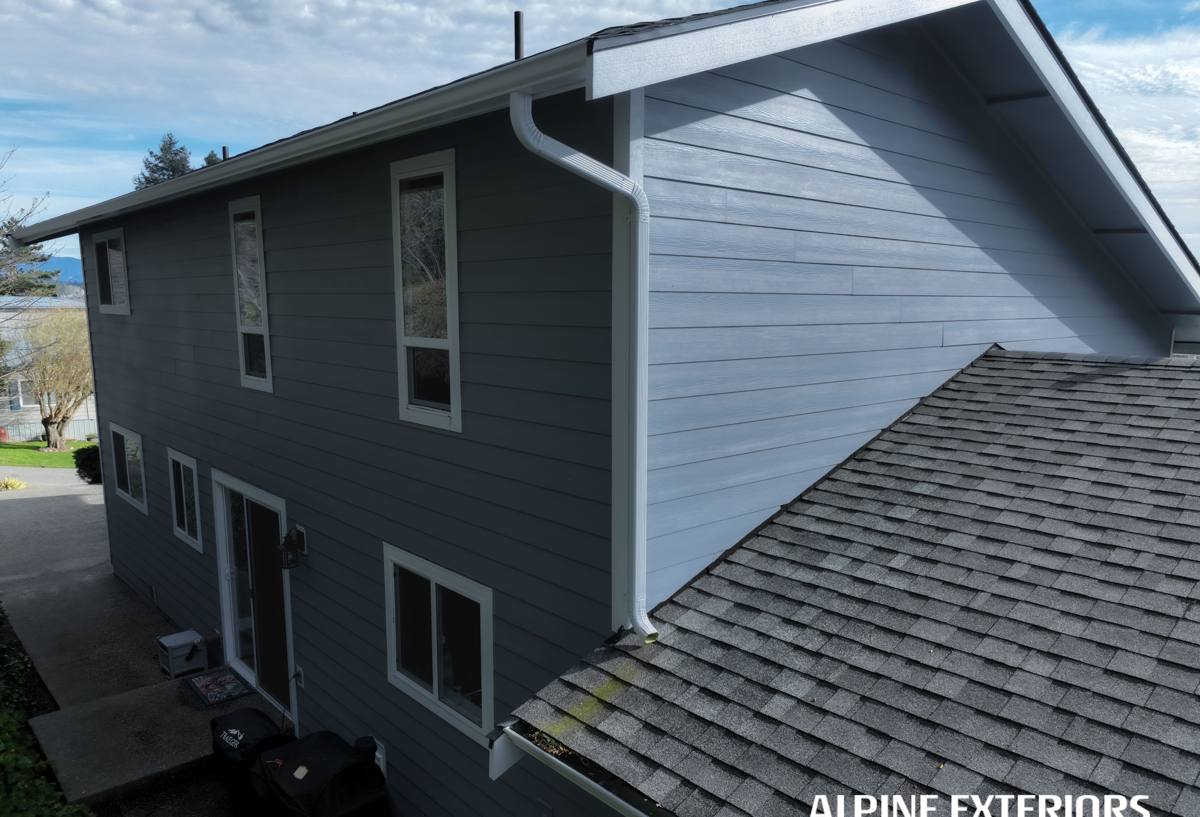
Why Roofs Around Big Lake Wear the Way They Do
Three things drive most of the roof failures we see in this part of Skagit County:
Salt Air and Metal Fatigue
Salt-carrying moisture in the air accelerates corrosion on exposed metal — flashing, fasteners, vent stacks, and gutters. A roof that looks fine from the ground can have flashing that's already thinning at the seams, especially around chimneys and roof-to-wall transitions where water concentrates.
Driving Rain and Wind-Driven Water
Rain here doesn't always fall straight down. Wind pushes it sideways and under shingle edges, up under ridge caps, and into any gap in flashing or underlayment that a fair-weather installation might get away with elsewhere. Roofs in this area need underlayment and flashing details that assume the rain will find the weak spot, because eventually it will.
Moss, Shade, and Slow-Drying Roofs
Tree cover and lake-adjacent humidity keep roof surfaces damp longer after a rain than they would in a more open, sunny location. That extended dampness is exactly what moss and algae need to take hold, and moss doesn't just look bad — it holds water against the roofing material, lifts shingle edges, and works its way under laps over time.
Signs a Big Lake Roof Needs Replacement, Not Just Repair
Not every roof problem calls for a full replacement, and we'll tell you honestly when a repair is the right call. But there are signs that mean the roof has moved past the point where patching makes sense:
- Granule loss heavy enough that you're finding grit in gutters every season, not just after a storm
- Shingles that are curling, cracking, or lifting at the edges in multiple areas of the roof, not just one isolated spot
- Moss growth that's established in the shingle mat itself rather than sitting on the surface
- Soft spots or sagging in the roof deck when walked, which usually means water has already gotten into the sheathing
- Daylight or water staining visible in the attic along the roof line
- A roof already past 20-25 years old (for asphalt shingle) with more than one type of damage present at once
- Flashing that's rusted, separated, or was never properly integrated with the roofing material in the first place
One or two of these on their own might be repairable. Several at once, especially combined with age, usually means the underlying materials are failing broadly and a repair would just be treating the newest symptom.
What a Correct Roof Replacement Actually Involves
A roof replacement is only as good as what's underneath the finished surface. Here's what should happen on every full replacement, and what we won't skip regardless of budget pressure:
Full Tear-Off
We remove the existing roofing down to the deck. Roofing over old layers hides deck damage and shortens the life of the new roof — it's a common corner-cutting move we won't do.
Deck Inspection and Repair
Once the deck is exposed, we check for soft, delaminated, or water-damaged sheathing and replace any section that doesn't hold a fastener solidly. This is often where a "surprise" cost comes from on other jobs — we'll show you the damage before we replace it, not bill for it after the fact.
Ice and Water Protection / Underlayment
Given how much wind-driven rain this area sees, underlayment choice matters. Synthetic underlayment with reinforced protection at eaves, valleys, and any low-slope transitions gives the roof a real second line of defense, not just a formality under the shingles.
Flashing, Done Right
New flashing at every chimney, wall intersection, skylight, and valley — not reused old flashing tucked under new shingles. This is the single most common source of leaks in re-roofs done cheaply, and it's non-negotiable on our jobs.
Ventilation
Proper intake and exhaust ventilation keeps the attic dry and temperature-balanced, which slows moss regrowth on the new roof and protects the deck from the inside out. A roof replacement that doesn't address ventilation is only solving half the problem.
Fastening and Manufacturer Specs
Nail pattern, exposure, and fastener count matter more in high-wind, high-rain conditions than in mild climates. We follow manufacturer installation specs to the letter, because that's also what keeps the material warranty valid.
Material Options for This Climate
There's no single "best" roofing material — the right choice depends on budget, roof shape, and how much long-term maintenance a homeowner wants to take on. Here's how the common options stack up for a Big Lake home specifically:
| Material | Moss Resistance | Maintenance | Typical Lifespan |
|---|---|---|---|
| Standard asphalt shingle | Moderate — benefits from algae-resistant granules | Periodic moss/gutter cleaning | 20-25 years |
| Architectural/laminate shingle | Good with algae-resistant option | Lower than 3-tab, still needs cleaning | 25-30 years |
| Standing seam metal | Very good — sheds moss faster | Low; watch fastener/sealant points | 40-50+ years |
| Wood shake | Poor without diligent upkeep | High — regular treatment needed | Varies widely with care |
We steer most homeowners here away from untreated wood shake unless they're committed to ongoing upkeep, simply because the moss and moisture conditions work against it faster than most other materials. That's a maintenance-burden call on our part, not a knock on the product itself — it performs fine in drier regions.
Our Replacement Process, Step by Step
- On-site inspection and honest assessment — we walk the roof and attic, not just look from the ground, and tell you plainly whether you need a repair or a full replacement.
- Written estimate — material options, scope, and pricing laid out clearly, with any deck-repair contingency explained up front.
- Material selection — we walk through the trade-offs above based on your budget and how the roof is shaded/exposed.
- Scheduling around weather windows — we plan tear-off days around forecast, not just calendar convenience, because an open roof deck and Skagit County rain don't mix.
- Tear-off, deck repair, and dry-in — the roof is never left exposed longer than necessary; underlayment goes down the same day as tear-off whenever possible.
- Installation to spec — flashing, ventilation, and shingle or metal installation following manufacturer requirements.
- Final walkthrough — we review the finished roof with you, including gutter and downspout tie-ins, before calling the job done.
Long-Term Care: Moss and Moisture Don't Stop After Installation
A new roof reduces moss and leak risk substantially, but it doesn't make Skagit County's climate go away. A few habits extend the life of any new roof around Big Lake:
- Keep overhanging branches trimmed back to reduce shade and debris buildup on the roof
- Clean gutters at least twice a year, more often under heavy tree cover
- Have moss growth addressed early with proper treatment rather than pressure-washing, which can strip granules and shorten shingle life
- Check attic ventilation isn't blocked by insulation or storage, especially after any attic work
- Schedule a roof check after major windstorms, since lifted flashing or shingles are easiest to fix before the next heavy rain finds them
What Affects the Cost of a Roof Replacement Here
We won't quote a price without seeing the roof, but these are the real factors that move a project up or down in cost:
| Factor | Why It Matters |
|---|---|
| Roof size and pitch | Steeper or larger roofs take more material, labor, and safety setup |
| Deck condition | Rotted or delaminated sheathing found during tear-off adds material and labor |
| Material choice | Metal and premium laminate shingles cost more upfront but less in upkeep and lifespan |
| Number of penetrations | Chimneys, skylights, and multiple valleys each need individual flashing work |
| Access and site conditions | Tree cover, steep lots, or limited driveway access affect equipment and disposal logistics |
| Ventilation upgrades | Adding or correcting intake/exhaust vents is a smaller add-on cost with a real payoff in roof longevity |
Broad ranges vary a lot by these factors — a straightforward asphalt shingle replacement on a modest, accessible roof will run well below a large metal roof replacement with multiple penetrations and deck repair. We'll give you real numbers after we've actually looked at your roof, not a generic figure that doesn't match your house.
Why a Crew That Already Works Big Lake Matters
Roofing crews that mostly work drier or milder regions sometimes underestimate what this climate demands — lighter underlayment specs, standard flashing details that assume less wind-driven rain, or scheduling that doesn't account for how fast a weather window can close here. A crew that regularly works Big Lake and the surrounding Skagit County area already knows to over-build the details that salt air, driving rain, and moss put the most stress on. That local familiarity shows up less in the sales pitch and more in the flashing details and ventilation choices that you won't see once the roof is finished — but that determine whether it's still performing well in fifteen years.
Choosing a Roofing Contractor: What to Actually Check
- Current WA state contractor license and liability insurance — ask to see it, not just hear about it
- Manufacturer certification for the specific product being installed, if warranty coverage matters to you
- A written estimate that breaks down tear-off, materials, flashing, and ventilation separately, not one lump number
- Willingness to explain deck-repair contingencies before the job starts, not after
- Local references or work you can actually see in the area, not just distant photos
- A clear answer on cleanup and disposal of old roofing material
If your Big Lake home's roof is showing its age or you're just not sure whether repair or replacement makes sense, we're happy to take a look and give you a straight answer along with a free, no-pressure estimate — just fill out the form below.