 Skagit County
 Windows Built for Big Lake's Weather, Not Just Its Views
Big Lake homes deal with a specific kind of weather stress. You're inland from Puget Sound, but the same marine air masses that move salt-laden moisture across Skagit County still reach your window frames, sills, and glazing. Add driving rain that comes in sideways during winter storms, humidity that never fully lets up, and a moss season that seems to stretch longer every year, and you've got conditions that will find every weak point in a window installation eventually. It might take two years or ten, but it will find it.
That's the real difference between window replacement done right and window replacement done fast. In this climate, the window unit itself is only part of the job. How it's flashed, sealed, and integrated with your siding and trim determines whether you get a window that performs for decades or one that starts letting in moisture behind the walls where you can't see it.
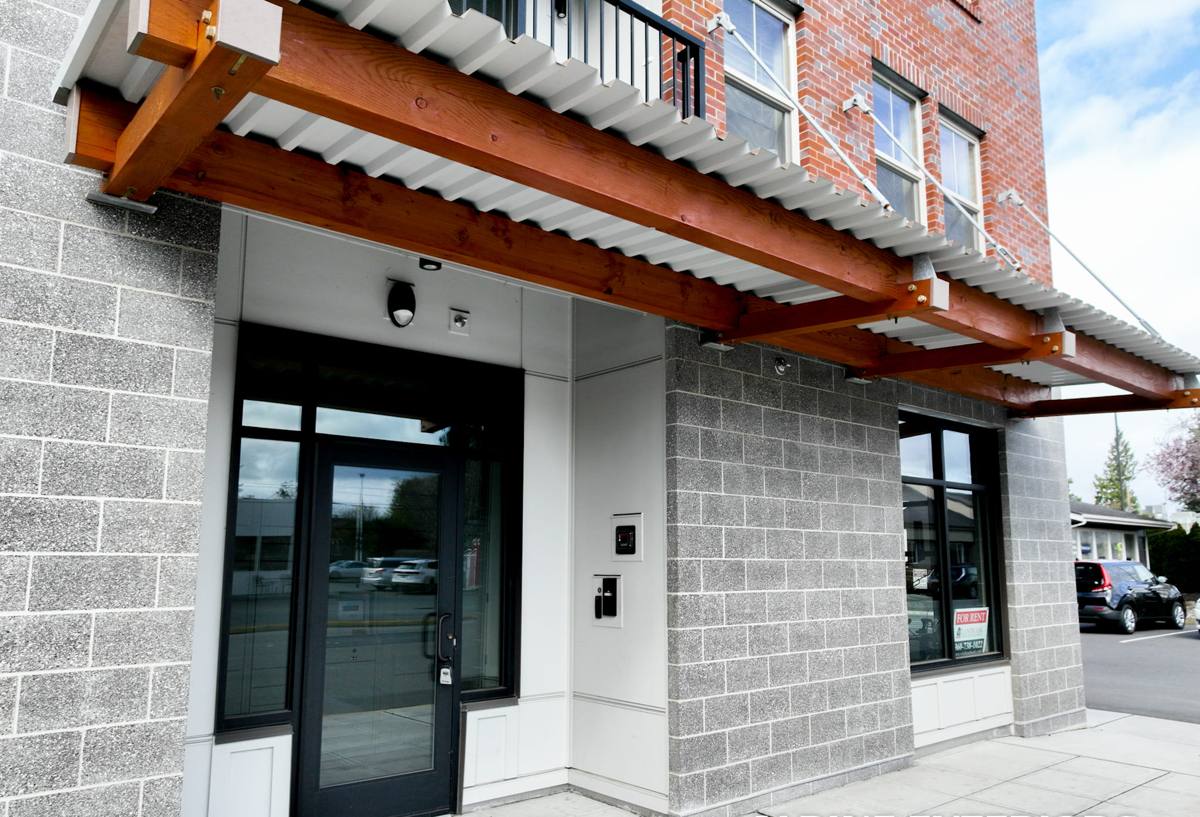
What Skagit County's Climate Actually Does to Windows
Moisture Finds the Gaps
Wind-driven rain doesn't fall straight down — it gets pushed sideways into window frames, especially on the exposed sides of a house. Over time, even a small gap in flashing or a bead of failed caulk lets water track behind the trim. Once that starts, it's not visible until you see staining, soft trim, or a musty smell near the window.
Wood Rot and Moss Growth
Skagit County's long wet season and mild temperatures are ideal for moss and mildew. On older wood-frame windows, that moisture sits against the sill and jamb and speeds up rot from the outside in. Vinyl and fiberglass frames don't rot, but they still need properly sealed joints or the same moisture just finds a different path — usually into the wall cavity.
Condensation and Seal Failure
Big Lake's humidity swings — cool nights off the water, warmer wet days — put real stress on insulated glass seals. When a seal fails, you'll see fogging or moisture trapped between the panes. That's not something you can fix with cleaning; it means the glass unit itself needs replacing.
Signs It's Time to Replace, Not Repair
- Fogging or a permanent haze between panes of double-pane glass
- Soft, spongy, or discolored wood at the sill or lower frame corners
- Windows that are difficult to open, close, or lock
- Visible daylight or a draft along the frame edges
- Condensation forming on the inside of the glass regularly, even with normal ventilation
- Rising heating bills without a clear other cause
- Peeling paint or bubbling drywall near the window opening — a strong sign moisture is already inside the wall
Any one of these on its own might not mean full replacement. Several together, especially on a home that's had its original windows for 20+ years, usually means it's time.
What a Correct Installation Actually Involves
The window unit gets most of the attention, but the installation details are what determine whether that window holds up through a Skagit County winter. A proper job includes:
- Removing the old window and inspecting the opening — checking the framing, sill, and sheathing underneath for hidden rot or moisture damage before anything new goes in.
- Repairing any damaged framing — installing a new window over rotten sheathing just traps the problem behind new trim.
- Flashing the opening correctly — proper sill pan flashing and weather-resistant barrier integration so any water that does get past the window sheds outward, not into the wall.
- Setting the window level, plumb, and square — an out-of-square window stresses the frame, makes it harder to operate, and creates gaps that widen over time.
- Sealing and insulating the gap around the frame — low-expansion foam or backer rod and sealant, not just caulk smeared over a gap.
- Finishing the exterior trim — reinstalling or replacing trim so it sheds water away from the window, not toward it.
Skip any one of these steps and the window can still look fine on day one. The problems show up later, usually after the first hard winter, which is exactly why cutting corners on installation is a bad trade for a homeowner even when it saves a little money up front.
Choosing the Right Window for a Big Lake Home
There's no single "best" window material — it depends on the specific window, its exposure, and your budget. Here's how the common options actually compare for this climate:
| Material | Moisture Performance | Maintenance | Typical Lifespan |
|---|---|---|---|
| Vinyl | Good — won't rot, seals well when installed correctly | Low — occasional cleaning | 20–30 years |
| Fiberglass | Excellent — very stable, resists moisture and temperature swings | Low | 30–40+ years |
| Wood (clad exterior) | Good if the cladding stays intact; vulnerable where cladding is damaged | Moderate — exterior cladding needs periodic inspection | 20–30 years, depends on upkeep |
| Wood (unclad, painted) | Poor in this climate without regular repainting and sealing | High — repainting and caulk checks every few years | Varies widely with maintenance |
| Aluminum | Fair — conducts cold and can condense heavily in this humidity | Low | 20–25 years |
We don't push one brand or material on every job. What we do push is matching the window to the exposure — a window on the rain-facing side of a Big Lake home has different needs than one tucked under a covered porch. We'll walk through the honest trade-offs for your specific house rather than defaulting to whatever's easiest to install.
A Note on Unclad Wood Windows
We're straightforward with clients about this: unclad wood windows can look great, but they demand ongoing maintenance to hold up against this much sustained moisture. If you love the look of wood, a wood-interior/clad-exterior unit gives you that appearance with far less upkeep. That's a maintenance and moisture-management call, not a knock on wood as a material.
Our Window Replacement Process
Every job follows the same basic sequence, adjusted for the specific windows and the house:
- On-site assessment — we look at each window opening, note existing damage, and measure for accurate ordering.
- Honest recommendation — we tell you which windows genuinely need replacing now versus which can wait, and why.
- Written estimate — clear pricing with no surprise add-ons once work starts, unless we uncover hidden damage during removal.
- Removal and inspection — old windows come out, and we check the framing before installing anything new.
- Installation — proper flashing, sealing, and finishing as outlined above, done to hold up through Skagit County's wet season, not just look good on move-out day.
- Final walkthrough — we test operation, check seals, and confirm everything's finished before we call the job done.
What Affects the Cost of Window Replacement
| Factor | Why It Matters |
|---|---|
| Window size and style | Larger units, custom shapes, or specialty operating styles (casement, sliding, picture) cost more than standard sizes |
| Material | Vinyl is generally the most budget-friendly; fiberglass and clad-wood cost more upfront but often less over the window's lifespan |
| Number of windows | Replacing several windows at once typically costs less per window than doing them one at a time over several years |
| Condition of the existing opening | Hidden rot or framing damage found during removal adds repair time and cost — this is common on older homes near the lake |
| Trim and siding work | Homes needing new exterior trim or siding integration around the window take more labor than a straightforward swap |
We give real numbers during the estimate, not a guess over the phone. Every Big Lake home's exposure and existing condition is a little different, and that's what actually drives the price.
Why Hire a Crew That Already Works in Big Lake
Window replacement is one of those jobs where local experience actually shows up in the results. A crew that regularly works Skagit County homes already knows which exposures take the worst weather, what kind of rot patterns show up on older lake-area homes, and how to flash a window so it holds up through a real Pacific Northwest winter — not just a mild one. That's not marketing talk; it's the difference between a crew guessing at your climate and one that already knows it.
We also stand behind the installation itself, not just the window product. A window is only as good as the job around it, and we treat the flashing, sealing, and trim work with the same care as the unit going in.
A Simple Pre-Estimate Checklist
Before you call anyone about window replacement, it helps to walk your own house and note a few things:
- Which windows feel drafty or hard to operate
- Any visible staining, soft wood, or peeling paint near window trim
- Windows with visible fogging between the panes
- Rooms that are noticeably harder to heat or cool
- How many windows face the prevailing wind and rain direction
That short list gives us a real head start when we come out, and it helps you get a clearer, faster estimate.
If you're weighing whether it's time to replace windows on your Big Lake home, we're happy to take a look and give you a straight answer — no pressure, no upsell. Use the form below to request a free estimate.