 Skagit County
 Roofing in Bow Isn't the Same as Roofing Inland
Bow sits close enough to the water that salt air is part of daily life, and that changes what a roof has to survive. Add Skagit County's long stretch of wet months, the driving rain that comes sideways off Samish Bay and Padilla Bay during winter storms, and a moss season that can run nine months out of twelve, and you have a climate that is genuinely harder on a roof than most manufacturers' warranty testing accounts for. A roof installed with inland assumptions — standard fastener coatings, minimal ventilation, underlayment chosen for cost instead of moisture performance — tends to show its age early here. Fastener corrosion, moss colonies that lift shingle edges, and trapped attic moisture are the three problems we see most on roofs that were installed correctly for a drier, calmer climate but not for this one.
A new roof installation in Bow needs to be planned around those three stressors from the start: salt-influenced corrosion, wind-driven rain intrusion, and moss growth that thrives in shade and moisture. None of that is exotic engineering — it's mostly about choosing the right materials and installing them with the right details, done correctly the first time.
What Salt Air Actually Does to a Roof
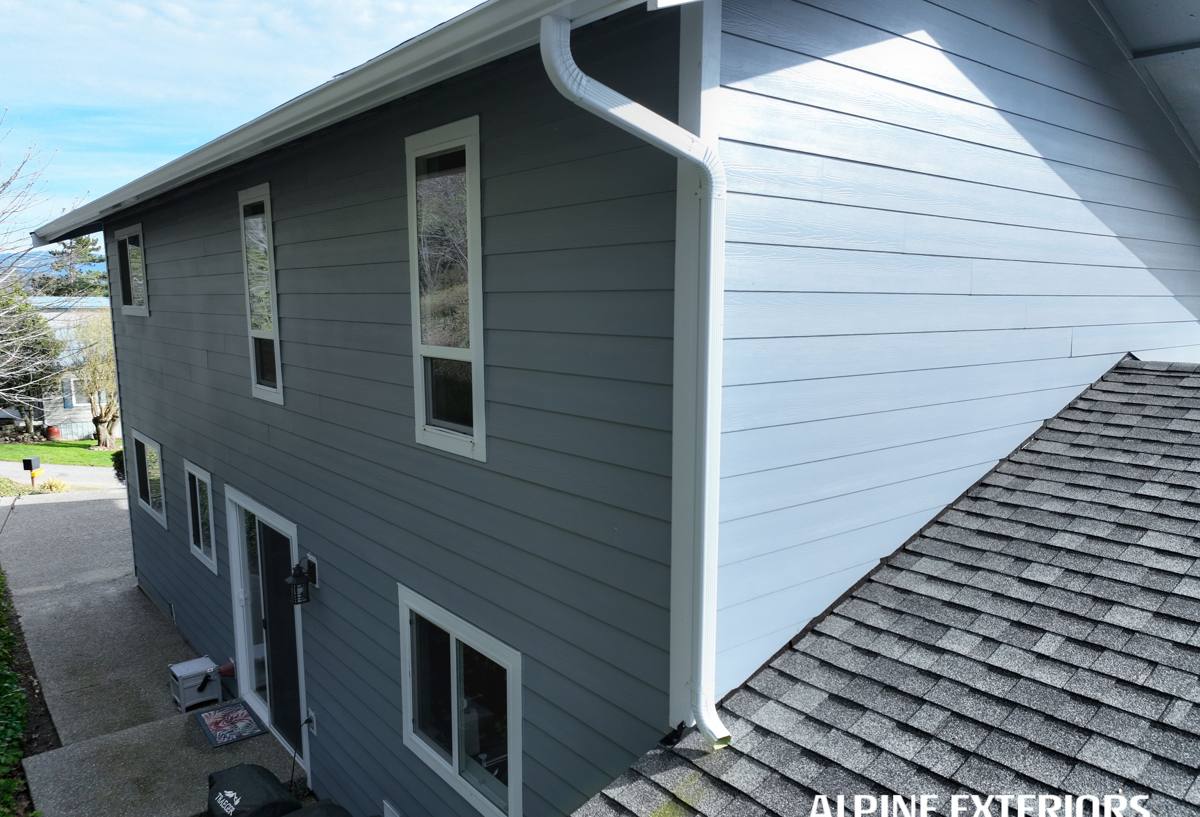
Salt-laden air doesn't need to be blowing off open ocean to matter — proximity to tidal water and bay winds is enough to accelerate corrosion on any exposed metal component of a roofing system. That includes nail and staple fasteners, flashing, drip edge, vent stacks, and any exposed screws on metal roofing or accessories. Over years, corroded fasteners lose their grip on shingles and underlayment, and corroded flashing develops pinholes that let water track behind it.
The fix isn't complicated, but it does require choosing the right hardware up front:
- Stainless steel or hot-dip galvanized fasteners instead of standard electro-galvanized nails, which corrode faster in coastal air
- Flashing and drip edge in a corrosion-resistant metal, properly lapped and sealed rather than just caulked
- Fastener coatings and metal accessories matched to whatever roofing material is chosen, since dissimilar metals in contact can accelerate corrosion on both
This is a detail that's invisible once the roof is finished, which is exactly why it gets skipped by installers working from a generic spec sheet instead of local experience.
Driving Rain and Wind-Driven Water Intrusion
Rain that falls straight down is easy to shed. Rain that's being pushed sideways by wind off the water finds every gap a straight-down rain would never reach — under shingle tabs, around vent boots, behind poorly lapped flashing, and into any nail hole that wasn't properly sealed. This is where underlayment choice and installation detail matter more than the shingle brand on the box.
Underlayment That Matches the Exposure
For roofs in wind-exposed or rain-heavy areas like Bow, we lean toward synthetic underlayment with taped or sealed seams over older felt products, and we install self-adhered ice-and-water membrane at all the vulnerable transitions — valleys, eaves, around chimneys and skylights, and at any roof-to-wall intersection — even in a climate where ice damming isn't the main concern. Here, that membrane's real job is sealing against wind-driven rain, not ice.
Flashing Details
Step flashing at walls, properly woven or closed-cut valleys, and correctly integrated vent flashing are what actually stop water intrusion in a storm. A roof can have premium shingles and still leak if the flashing details were rushed.
Moss: The Slow-Motion Problem Most Homeowners Underestimate
Skagit County's combination of moisture, mild temperatures, and shaded rooflines under fir and cedar canopy is close to ideal moss habitat. Moss holds moisture against the roof surface long after the rain has stopped, and as it spreads it physically lifts shingle edges and granules, creating small channels for water to get underneath. Left unmanaged for years, moss doesn't just look bad — it shortens the functional life of the roof.
A correct new installation addresses this two ways: material choice and design.
- Algae- and moss-resistant shingles (typically copper- or zinc-infused granules) on roofs with heavy tree cover or north-facing shaded slopes
- Zinc or copper strips installed near the ridge on moss-prone roofs, which release trace metal ions with rain runoff to inhibit regrowth over time
- Attention to roof slope and any design elements that trap debris and hold moisture longer than necessary
None of this eliminates the need for periodic moss removal and gentle cleaning, but it meaningfully extends the interval between cleanings and reduces how aggressively moss re-establishes.
Ventilation: The Detail That Protects the Roof From the Inside
A roof gets attacked from outside by rain and moss, but it can fail just as easily from trapped moisture inside the attic. In a climate this wet, inadequate intake and exhaust ventilation leads to condensation on the roof deck, which rots sheathing from underneath and voids shingle warranties that require proper airflow. Correct installation means balanced intake (soffit vents) and exhaust (ridge vents or equivalent), sized to the attic's square footage, not just whatever vents happen to already be there.
This is one of the most common shortcuts we find when replacing older roofs in the area — the previous roof looked fine from the street, but the deck underneath had years of unseen moisture damage because ventilation was never brought up to what the home actually needed.
Roofing Materials Compared for Bow Conditions
| Material | Salt Air Performance | Moss Resistance | Typical Lifespan Here |
|---|---|---|---|
| Standard asphalt shingle | Good with corrosion-resistant fasteners/flashing | Fair unless algae-resistant granules used | 20-25 years |
| Algae-resistant asphalt shingle | Good with corrosion-resistant fasteners/flashing | Good | 25-30 years |
| Metal (standing seam) | Very good with proper coating and fastener match | Very good — sheds debris, little moss purchase | 40-50+ years |
| Wood shake | Fair — needs diligent maintenance near salt air | Poor without aggressive maintenance | 15-25 years, maintenance-dependent |
We don't push one material on every home. The right choice depends on the roof's slope, tree exposure, the home's architecture, and the owner's appetite for maintenance versus upfront cost. What we won't do is install a material in a way that ignores the coastal and moss factors above just because it's the standard spec elsewhere.
Signs a Bow Home Needs a New Roof, Not a Repair
- Granule loss heavy enough to see bare patches or find granules pooling in gutters
- Shingles curling, cupping, or cracking across multiple areas of the roof, not just one spot
- Moss or algae staining that returns quickly after cleaning, suggesting the shingle surface is already compromised
- Soft spots underfoot or visible sagging along the roofline
- Daylight visible through the attic roof deck, or damp insulation and staining on rafters
- Flashing that's rusted, lifted, or separating around chimneys, vents, and walls
- The roof is at or past 20-25 years old and hasn't had major work done
One or two of these might mean a targeted repair is enough. Several at once, especially combined with age, usually means repairs are just delaying an inevitable full replacement — often at a higher total cost than doing it right once.
Our Installation Process
- On-site inspection of the existing roof, attic, and ventilation, with photos and a plain-language explanation of what we find
- Written estimate outlining material options, scope, and cost — no pressure to decide on the spot
- Tear-off of the old roofing down to the deck, with sheathing inspected and any rot or damage repaired before anything new goes on
- Installation of ice-and-water membrane at vulnerable areas and synthetic underlayment across the field
- Corrosion-resistant flashing, drip edge, and fasteners installed at every transition point
- Roofing material installed to manufacturer spec, with ventilation balanced to the attic's actual needs
- Final walkthrough and cleanup, including a magnetic sweep for stray fasteners around the property
Cost Factors for a Bow Roof Replacement
| Factor | Why It Matters Here |
|---|---|
| Roof size and pitch | Steeper roofs and more complex rooflines take longer to install correctly, especially around valleys and flashing |
| Material choice | Algae-resistant shingles and metal roofing cost more upfront but need less moss maintenance over time |
| Deck condition | Rot from past ventilation or leak issues, common on older coastal-exposed homes, adds repair cost before new roofing goes on |
| Ventilation upgrades | Older homes often need added soffit or ridge venting to meet what a wet climate actually requires |
| Tree cover and access | Heavy shade increases moss-resistant material recommendations; difficult access can affect labor time |
We give a written, itemized estimate before any work starts, so the cost drivers specific to your roof are clear rather than buried in a lump-sum number.
Why Hire a Crew That Already Works in Bow
A roofing crew that mainly works drier, inland areas can still do competent work, but they're often applying assumptions that don't hold up here — lighter-duty fasteners, minimal ventilation upgrades, standard shingles where moss-resistant granules would serve the home better. A crew that regularly works Skagit County's coastal communities has already seen which details matter on this stretch of coastline, because we've gone back and diagnosed the roofs where those details were skipped. That's not a marketing claim, it's just what repeated exposure to the same climate teaches a crew over time. It also means we're a known, findable local business if a warranty question or storm-related concern comes up years down the road, rather than a company that did one job in the area and moved on.
Ready to Talk About Your Roof
If your roof in Bow is showing its age, or you just want an honest read on how much life is left in it, we're happy to take a look. We'll give you a straightforward inspection, explain what we see in plain terms, and provide a written estimate with no pressure attached. Use the form below to request a free estimate.