 Skagit County
 Windows Built for Bow's Coastal Conditions
Bow sits close enough to Samish Bay and Padilla Bay that salt-laden air is a daily fact of life, not an occasional nuisance. Add in the driving rain that comes off the water during fall and winter storms, plus a moss season that can stretch for months in the shaded, damp corners of a property, and you have a set of conditions that are genuinely harder on windows than what homes further inland deal with. Frames, sills, and seals here take on more moisture cycling, more corrosion exposure, and more sustained dampness than the average manufacturer spec sheet accounts for.
That's the backdrop for every window installation we do in this part of Skagit County. It's not enough to hang a window plumb and level and caulk the trim. The install has to account for wind-driven rain finding its way behind the siding, for salt air accelerating corrosion on hardware and fasteners, and for moss and algae holding moisture against wood trim longer than it would in a drier climate.
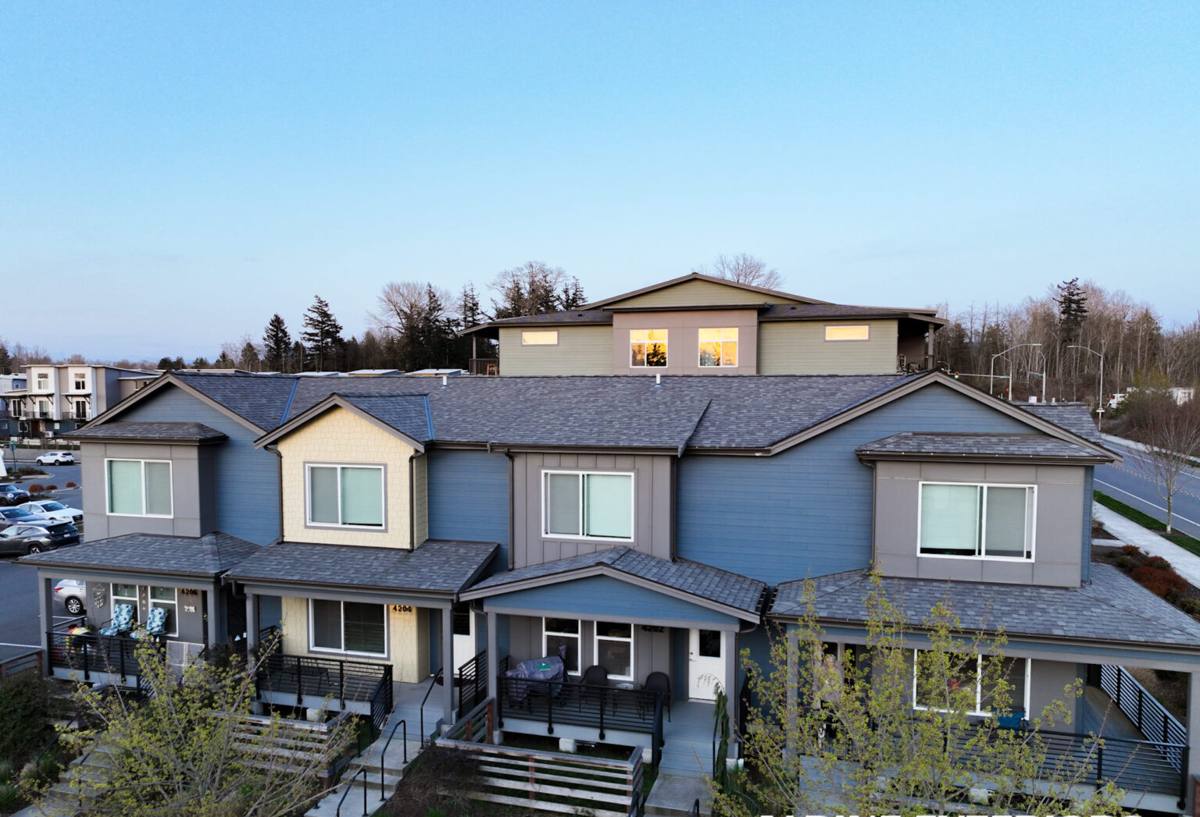
Signs a Bow Home's Windows Need Attention
Because of the climate here, window problems tend to show up earlier and more visibly than they would elsewhere. Common signs we see on service calls in this area include:
- Fogging or condensation between panes, meaning the seal on a double-pane unit has failed
- Soft or discolored wood trim around the frame, especially on walls facing prevailing wind and rain
- Visible moss or dark streaking on sills and lower trim that keeps returning after cleaning
- Drafts you can feel by hand even when the window is fully latched
- Corroded or stiff hardware — locks, cranks, and hinges — that didn't used to stick
- Paint or finish failing faster on window trim than on the rest of the siding
Any one of these can be a minor fix. Several at once, especially on an older single-pane or early-generation vinyl window, usually means the unit is past the point where repair makes sense and replacement is the more honest recommendation.
What a Correct Installation Actually Involves
A window installation is really a small waterproofing project with a window in the middle of it. The window itself matters, but the flashing, sealing, and integration with the existing wall assembly are what determine whether that window stays dry for the next twenty years.
Removal and Opening Prep
We remove the old unit carefully to avoid unnecessary damage to siding and trim, then inspect the rough opening. This is the point where hidden problems — rotted sheathing, missing or failed flashing tape, old caulk standing in for real weatherproofing — get found. On homes in Bow, especially those with some age on them, it's common to find that the original install relied on caulk alone rather than proper flashing. We don't cover that up; we fix it before the new window goes in.
Flashing and Drainage
Correct flashing creates a shingled, water-shedding path: sill pan flashing at the bottom, side flashing that laps over it, and head flashing or a drip cap integrated with the house wrap above. In a climate with sustained driving rain, this layering is what actually keeps water out — not the caulk bead around the trim, which is a backup, not the primary defense.
Setting the Window
The unit gets shimmed square, plumb, and level, fastened per the manufacturer's schedule, and insulated around the frame with a low-expansion foam or backer rod and sealant — never packed tight with fiberglass, which does nothing to stop air movement.
Sealing and Trim
Exterior sealant goes at the trim-to-siding joint, using a sealant rated for the temperature swings and UV exposure this area sees. Interior trim gets reinstalled or replaced, and the final check includes operating the window through its full range to confirm smooth function before we call the job done.
Our Process, Start to Finish
- On-site assessment — we look at the existing windows, the wall assembly where visible, and any moisture history around each opening
- Honest recommendation — repair, partial replacement, or full replacement, with the reasoning explained, not just a sales pitch
- Accurate measurement and ordering — correct sizing avoids the shimming and gap problems that cause leaks later
- Removal and opening inspection — checking sheathing and framing condition before anything new goes in
- Flashing, insulation, and setting the window — the structural and waterproofing work that determines long-term performance
- Trim, sealing, and final operation check — confirming the window locks, seals, and operates correctly
- Cleanup and walkthrough — reviewing the finished work with the homeowner before we leave
Choosing the Right Frame Material for This Climate
Frame material matters more here than in a dry inland climate. Salt air and sustained moisture push some materials toward more maintenance than others, and we'll walk through the honest trade-offs rather than push whatever is easiest to install.
| Material | Coastal/Moisture Performance | Maintenance | Typical Trade-Off |
|---|---|---|---|
| Vinyl | Good — won't rot or corrode, handles moisture well | Low | Fewer color/finish options; frame flexes more in extreme temperature swings |
| Fiberglass | Very good — dimensionally stable, resists moisture and salt exposure | Low | Higher upfront cost than vinyl |
| Wood | Fair — needs a well-maintained exterior clad or finish to hold up to driving rain and salt air | High | Best interior appearance, but exterior finish demands regular upkeep in this climate |
| Aluminum | Fair — corrosion resistant coatings help, but conducts cold and can pit over time near salt air | Medium | Slim sightlines, but thermal performance lags other materials |
Where a homeowner wants the look of wood, we'll usually recommend a wood-interior/clad-exterior unit so the weather-facing side is a low-maintenance material and the room-facing side keeps the finish people actually want to see day to day.
What Drives Cost
Every window job is different, and we won't quote a number without seeing the openings, but the factors that move price are consistent:
| Factor | Why It Matters |
|---|---|
| Frame material | Vinyl is typically the most affordable; fiberglass and clad-wood cost more upfront but often less over time in this climate |
| Opening condition | Rot or flashing failures found during removal add repair time before the new window can go in |
| Window size and style | Larger units, custom shapes, or operable styles like casements cost more than standard sliders |
| Number of openings | Whole-house replacement usually brings a better per-window cost than one-off installs |
| Access and site conditions | Second-story or hard-to-reach windows take longer and require more equipment |
Maintenance That Actually Matters Here
A correctly installed window still needs a little seasonal attention in a climate like this one. This isn't a long list, but it's the difference between a window that lasts and one that starts failing early:
- Clear moss and organic debris from sills and tracks before it holds moisture against the frame
- Check exterior caulk lines once a year for cracking or separation, especially on rain-facing walls
- Operate hardware periodically so hinges, locks, and cranks don't seize from disuse and moisture
- Rinse salt residue off frames and glass periodically if the home is close to the water
- Watch for soft spots in exterior wood trim and address them before they spread
Why Local Installation Experience Matters
Window installation manuals are written for average conditions. Bow doesn't have average conditions — it has salt air, sustained wind-driven rain, and a long wet season that keeps moss and moisture pressure on building exteriors longer than most of the country deals with. A crew that already works this specific stretch of Skagit County knows which details in the manufacturer's install guide are non-negotiable here, and where extra flashing or sealant attention is worth the additional time even if it's not strictly required elsewhere.
That local knowledge shows up in small decisions — how much lap to give flashing courses, which sealants actually hold up to this UV and moisture combination, when a wood sill needs a composite or metal cap instead of paint alone. Those are the details that separate a window that's still performing in fifteen years from one that's showing rot and drafts in five.
Ready When You Are
If you're noticing drafts, fogged glass, or trim that's holding onto moss and moisture longer than it should, it's worth having someone take a look before small problems turn into structural ones. We offer free, no-pressure estimates for window installation and replacement in Bow and the surrounding Skagit County area — use the form below to get a time on the schedule.