 Skagit County
 Building a Deck That Belongs in Clear Lake
Clear Lake sits in a part of Skagit County where the weather doesn't do a homeowner any favors. Between the damp air off the lake itself, the driving rain that blows through much of the year, and the long stretch of gray, low-sun months that let moss get a foothold on anything horizontal, an outdoor deck here works harder than it would almost anywhere else in the state. A deck built with generic, one-size-fits-all methods might look fine the first summer. By year three or four, you're often looking at soft spots, rusted fasteners, and a slick green film that never fully goes away. Building it right the first time, with this specific climate in mind, is the difference between a deck that needs babysitting and one that just works.
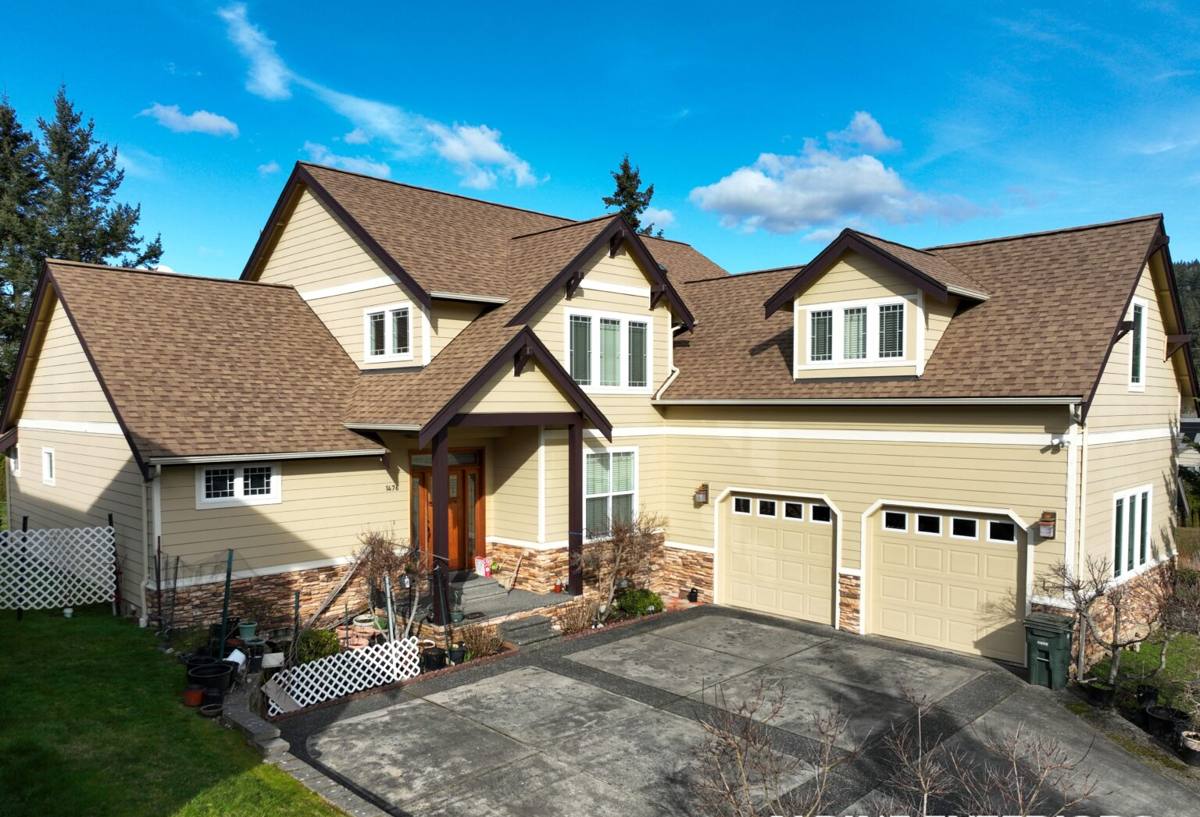
What Clear Lake's Climate Actually Does to a Deck
It helps to understand the specific ways this environment attacks a structure, because it shapes every material and design decision that follows.
Moisture That Doesn't Let Up
Skagit County gets long stretches of steady rain, not just occasional downpours. That means wood framing and decking spend a lot of the year at higher moisture content than they would in a drier climate. Wood that can't dry out between rain events is wood that's set up for rot, especially anywhere water can pool or get trapped against a surface.
Salt and Moisture in the Air
Proximity to the lake and the broader Puget Sound region means the air carries more moisture and mineral content than an inland, dry climate. Over time, that accelerates corrosion in any metal that isn't properly rated for exterior, coastal-adjacent use — screws, joist hangers, bolts, and railing hardware included.
Moss and Algae Growth
Shade, moisture, and mild temperatures are exactly what moss and algae need to thrive, and a lot of Clear Lake properties have all three in spades. Once moss establishes on a deck surface, it holds moisture against the wood or composite underneath, and it makes the deck genuinely slippery — a real safety issue on stairs and landings, not just a cosmetic one.
What a Correctly Built Deck Involves Here
A deck that's going to hold up in this environment isn't built differently in some dramatic way — it's built with more attention to the details that matter most in wet climates.
Footings and Framing for Wet Ground
Footings need to be sized and set below frost depth and clear of standing water, which matters on the low-lying, sometimes poorly draining lots common around the lake. Framing lumber should be pressure-treated and rated for ground contact where it's close to or in contact with soil, and every framing member benefits from being kept off the ground with proper post bases rather than buried directly, which lets water drain away instead of wicking up into the wood.
Fasteners and Hardware That Won't Corrode
This is one of the most overlooked details in deck building, and one of the most consequential. Standard fasteners will corrode in this climate faster than most homeowners expect. We use stainless steel or heavy hot-dip galvanized fasteners and connectors rated for exterior, high-moisture exposure, matched to whatever decking and framing material is being used — mixing incompatible metals can actually speed up corrosion through galvanic reaction.
Spacing and Airflow
Deck boards need consistent gapping to let water drain through instead of sitting on the surface, and the framing underneath needs enough clearance and airflow to let the whole structure dry out between rain events. A deck built too low to the ground, or too tight against a house wall, traps moisture no matter what material you put on top of it.
Choosing the Right Decking Material
There's no single "best" decking material — there's the right material for how you'll use the deck, how much upkeep you're willing to do, and your budget. Here's how the common options actually compare in a Skagit County climate.
| Material | Moisture Performance | Maintenance | Typical Lifespan |
|---|---|---|---|
| Pressure-treated wood | Good if sealed and maintained; prone to moss without upkeep | Annual cleaning and resealing recommended | 15-20 years with maintenance |
| Cedar | Naturally moisture and insect resistant; still needs sealing | Periodic cleaning and finish upkeep | 20-25 years with maintenance |
| Composite decking | Very good; won't rot, but can still grow surface moss/algae without cleaning | Periodic washing, no sealing or staining | 25-30+ years, backed by manufacturer warranty |
| PVC decking | Excellent; fully synthetic, no organic material for rot | Occasional washing | 25-30+ years, backed by manufacturer warranty |
Wood costs less up front and has a natural look many homeowners want, but it asks for real, ongoing maintenance to perform well here — cleaning and resealing on a schedule, not just when it starts looking rough. Composite and PVC cost more initially but shed water and resist moss growth far better with minimal upkeep, which is a meaningful trade-off in a climate where moss season runs long. We'll walk through the honest cost and maintenance picture for your specific project rather than push one material across the board.
Railings, Stairs, and Code Compliance
Any deck more than a modest height off the ground needs code-compliant railings, and stairs need proper rise-and-run consistency and secure footing — details that matter even more when surfaces are wet and slick for a good part of the year. We build to current Skagit County building code and pull the appropriate permits, which protects you at resale and, more immediately, means the structure was actually inspected rather than just built to look right.
Grip and Traction Matter More Here
Because moss and algae are a real factor on shaded or lake-adjacent lots, we pay attention to decking profiles and finishes with reasonable slip resistance, particularly on stairs. It's a small design choice that makes a real difference in the wetter months.
Drainage and Moss Prevention Aren't Optional Extras
A deck's long-term performance depends as much on what's underneath and around it as on the boards you walk on.
- Grading around and under the deck should direct water away from the structure and the house foundation, not toward it
- Board spacing should be consistent enough to let water pass through rather than pool on the surface
- Any framing near grade should have a vapor barrier or gravel bed underneath to reduce ground moisture wicking up
- Trees and shrubs that shade the deck heavily should be trimmed back where practical to reduce the moisture and shade that moss needs
- Gutters and downspouts near the deck should be functioning properly so roof runoff isn't dumping directly onto or under the structure
None of these are complicated fixes, but they're easy to skip during a rushed build, and they're exactly what separates a deck that stays dry and clean from one that needs pressure washing every few months.
Our Deck Building Process for Clear Lake Homes
We approach every deck project the same methodical way, adjusted for your lot and how you plan to use the space.
1. On-Site Assessment
We look at your lot's drainage, sun and shade exposure, soil conditions, and how the deck will connect to your house before recommending a design or material.
2. Material and Design Discussion
We walk through the honest trade-offs between wood, composite, and PVC decking for your specific situation — your budget, how much maintenance you want to do, and how the deck will be used — rather than steering you toward one product.
3. Permitting
We handle the permit process with Skagit County so the structure is built and inspected to current code, which protects you both for safety and for resale down the road.
4. Construction
Footings, framing, fasteners, and decking are installed with the moisture and corrosion considerations covered above built in from the start, not added as an afterthought.
5. Final Walkthrough
We go over the finished deck with you, including what maintenance it does or doesn't need going forward, so there are no surprises.
Maintenance Checklist for Clear Lake Deck Owners
Whatever material you choose, a little seasonal attention goes a long way in this climate:
- Sweep debris off the deck regularly, especially fallen leaves and needles that trap moisture
- Clean the surface at least once or twice a year to remove early moss and algae growth before it sets in
- Check and reseal or restain wood decking on the schedule recommended for your specific product
- Inspect fasteners and hardware periodically for rust or loosening, particularly on stairs and railings
- Keep gutters and downspouts near the deck clear so runoff doesn't pool underneath
- Trim back overhanging vegetation that keeps the deck surface shaded and damp
Why Local Experience in Clear Lake Actually Matters
A deck builder who's worked lots around Clear Lake and elsewhere in Skagit County has already seen how the local soil drains, how much shade a typical lot gets, and which details of a build tend to fail first in this specific climate. That's not something you get from a general contractor passing through who builds the same way regardless of region. We build decks for this climate because it's the one we work in every day, and we'd rather spend the extra time on footings, fasteners, and drainage up front than have you calling us back in three years about soft boards or rusted hardware.
If you're planning a new deck or replacing one that hasn't held up, we're happy to take a look and give you a straightforward, no-pressure estimate. Fill out the form below and we'll get in touch to talk through what your Clear Lake property actually needs.