 Skagit County
 Storm Damage Roof Repair in Clear Lake, Skagit County
Clear Lake sits inland from Puget Sound but still gets the full mix of what Skagit County weather throws at a roof: driving rain off the water, wind funneling through the valley, and a moss season that runs longer here than in drier parts of the state. Roofs in this area take damage differently than roofs in, say, eastern Washington, and repairing that damage correctly means understanding how wind, rain, and organic growth interact on a shingle or metal roof over a wet season that can stretch from October well into spring.
This page covers what storm damage actually looks like on a Clear Lake roof, what a repair needs to include to hold up through the next storm, and how our process works from the first call to the final walk-through.
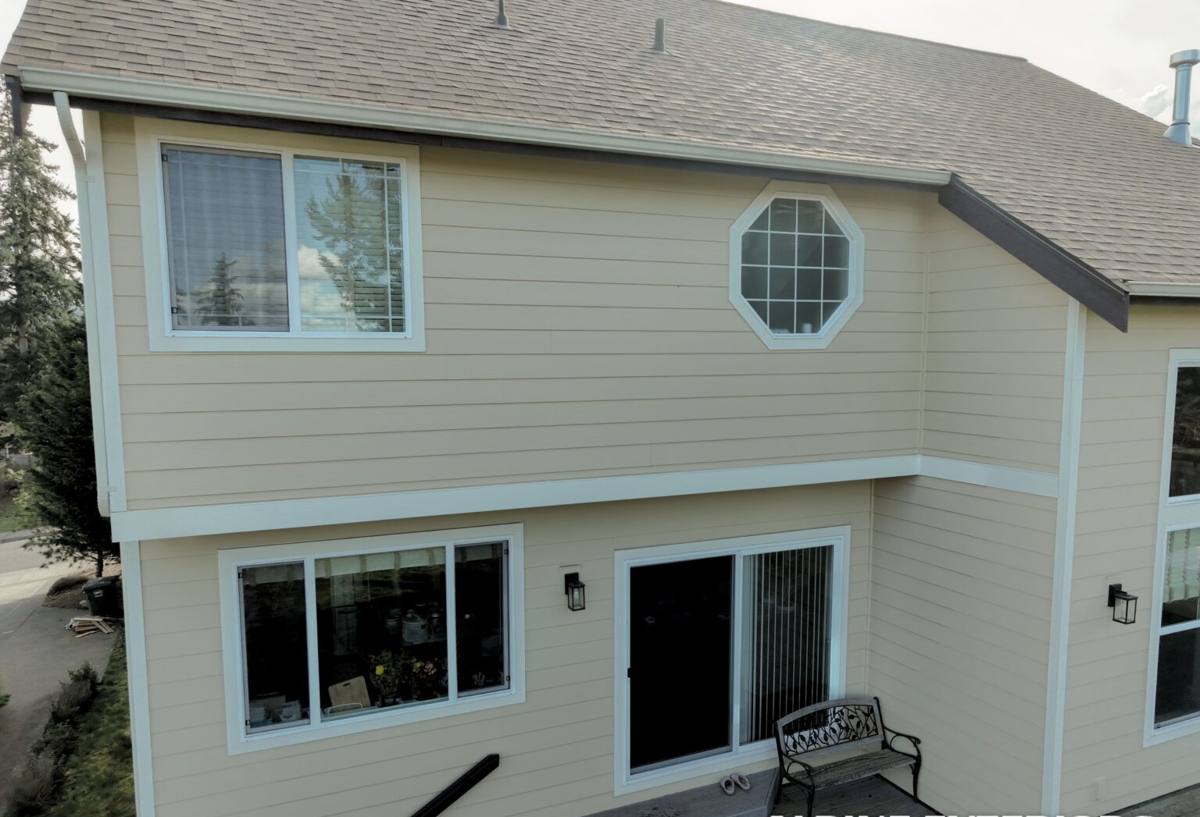
What Storm Damage Looks Like on a Local Roof
Not all storm damage is obvious. A homeowner might spot a missing shingle or a dented gutter and assume that's the whole problem, when the real damage is underneath. Wind and rain in this part of Skagit County tend to cause a few specific, repeatable failure patterns:
- Wind-lifted shingle edges — the shingle looks intact from the ground but the seal strip has broken, letting wind-driven rain get underneath on the next storm.
- Granule loss from driving rain and hail — accelerates wear on the shingle's protective surface even without a visible hole.
- Flashing separation around chimneys, vents, and valleys, usually where sustained wind has worked a fastener loose over multiple storms rather than one dramatic event.
- Moss and moisture intrusion — a longer wet season means moss gets a head start, and moss roots hold water against the shingle surface, which speeds up rot at the decking level if it's not addressed.
- Gutter and downspout damage that backs water up under the roof edge instead of carrying it away, turning a minor storm into a slow leak.
The salt air that reaches inland toward Clear Lake on strong weather systems also plays a role — it accelerates corrosion on exposed metal fasteners, flashing, and gutter hardware faster than it would in a drier inland climate, which is one more reason storm damage here should be inspected by someone who checks metal components, not just shingles.
Why a Correct Repair Matters More Here Than in Drier Climates
In a low-rainfall region, a sloppy storm repair might last years before anyone notices. In Skagit County, with a wet season that can deliver weeks of sustained rain, a repair that isn't sealed and flashed correctly will usually show a leak within one or two storm cycles — sometimes on the very next heavy rain event. That's the practical reason we don't treat storm repair as a quick patch job: a repair that isn't done right here gets found out fast, and by then water has often already reached the decking or interior framing.
What a Correct Repair Actually Involves
A proper storm damage repair isn't just replacing the shingle that's obviously missing. It includes:
- Checking the decking underneath for soft spots, rot, or delamination before any new material goes down.
- Replacing or reinforcing underlayment in the repaired section, not just the top layer.
- Re-flashing any valley, vent, or chimney penetration near the damaged area rather than assuming the old flashing is still sound.
- Matching shingle or metal profile and color as closely as possible so the repair doesn't stand out or create a mismatched seam that traps water.
- Clearing moss and debris from the surrounding roof area so the repaired section isn't undermined by growth spreading from elsewhere.
Our Process for Clear Lake Storm Repairs
1. Inspection and Documentation
We start with a full inspection, not just a look at the spot you called about. Storm damage rarely stays contained to one area, and wind in particular tends to affect multiple sections of a roof unevenly. We photograph and document everything we find, which matters both for your records and for insurance purposes if you're filing a claim.
2. Honest Scope — Repair or Replace
We tell you plainly whether a section is repairable or whether the damage (or the age and condition of the surrounding roof) means a repair won't hold and a larger replacement makes more sense. We're not interested in patching a roof that's going to fail again in the next storm just to make a smaller sale.
3. The Work Itself
We match materials, replace what's damaged down to the decking if needed, re-flash penetrations, and clean up moss or debris in the surrounding area so the repair isn't undermined by a problem we can see but didn't fix.
4. Walk-Through and Follow-Up
Before we consider the job done, we walk the repair with you, explain what was found and what was done, and let you know if there's anything worth watching — for example, a nearby section that's showing early wear and might need attention before next storm season.
Repair vs. Replacement: What Actually Drives the Decision
Homeowners often ask whether storm damage means the whole roof needs to go. Usually it doesn't — but the honest answer depends on a few factors working together, not any single one.
| Factor | Favors Repair | Favors Replacement |
|---|---|---|
| Roof age | Under 12–15 years, otherwise sound | Near or past expected lifespan |
| Extent of damage | Localized to one section | Spread across multiple slopes |
| Decking condition | Solid, no rot found | Soft spots or rot discovered during inspection |
| Moss/moisture history | Isolated, recently maintained | Long-term growth with signs of decking damage |
| Material availability | Close match available | Discontinued profile/color, poor match risk |
A repair on a well-maintained, moderately aged roof is usually the right call. A repair on a roof that's already near the end of its service life, or where storm damage exposed rot that had been building for a while, is often just delaying a bigger job — and we'll say so rather than let you spend money on a patch that won't last.
Insurance and Documentation
Many storm damage repairs in this area get filed as insurance claims, particularly after a named windstorm or a significant rain event. We provide the documentation — photos, a written description of the damage and cause, and a scope of work — that adjusters typically need. We're not a public adjuster and we don't negotiate your claim for you, but we make sure the paperwork on the roofing side is thorough enough that the process isn't slowed down by missing information.
Why a Crew That Already Works Clear Lake Matters
A roofing crew that mostly works elsewhere in the county, or comes from outside the area after a big storm, doesn't necessarily know which parts of a Clear Lake roof tend to fail first, how fast moss reestablishes on a shaded north-facing slope here, or how the local wind pattern tends to hit a roofline. That knowledge shows up in small but real ways — knowing to check a valley that's prone to buildup, or recognizing flashing that's starting to corrode from repeated exposure before it's actually leaking. A crew that already works this specific area also tends to be more responsive after a widespread storm event, since we're not driving in from out of town while every roof in Skagit County is trying to get on the same short list of contractors.
What to Do Right After a Storm
If you suspect storm damage, a few practical steps help protect your home and make any repair (and any insurance claim) go more smoothly:
- Look for damage from the ground first — missing or lifted shingles, dented gutters, debris on the roof — rather than climbing up yourself.
- Check the attic or top-floor ceiling for water stains, which can show up before you'd notice anything from outside.
- Photograph anything visible, including debris in the yard that may have come off the roof.
- Cover any active leak with a tarp only if it's safe to do so, or call a professional to do it.
- Avoid walking on a wet or storm-damaged roof — moss and granule loss make surfaces slicker and less stable than they look.
- Get an inspection promptly; a small area of intruded water gets more expensive to fix the longer it sits against decking or framing.
Ongoing Maintenance to Reduce Future Storm Damage
Skagit County's long wet and moss season means storm resilience isn't a one-time fix. Keeping gutters clear, treating or removing moss before it spreads, and having a roof checked after any major wind event all reduce how much damage accumulates over time. A roof that's already carrying moss growth or clogged gutters going into a storm is starting from a weaker position, and the same storm that causes minor cosmetic damage to a well-maintained roof can cause real intrusion on one that wasn't.
Get a Free, No-Pressure Estimate
If you're dealing with storm damage on your Clear Lake home, or just want a roof checked after a recent windstorm, we're glad to take a look. There's no obligation and no pressure — just an honest assessment of what's going on and what it would take to fix it right. Use the form below to request a free estimate.