 Skagit County
 Deck Building in Bow, Sized for the Weather It Actually Faces
Bow sits close to tidal water along Samish Bay, in one of the wetter, saltier pockets of Skagit County. That combination — moist marine air, wind-driven rain off the water, and long stretches of low winter sun — is hard on a deck that wasn't built with those conditions in mind. A deck in Bow doesn't fail the same way a deck in a dry inland climate fails. It fails at the fasteners first, then the framing underneath, then finally the decking boards on top. Building one correctly here means starting from that reality instead of treating it like a generic backyard project.
This page covers what we do differently when we build a deck in Bow: the materials that hold up, the structural details that keep water moving instead of pooling, and the maintenance rhythm that keeps a deck looking good through Skagit County's long moss season. It's specific to this service, in this area — not a general deck-building overview.
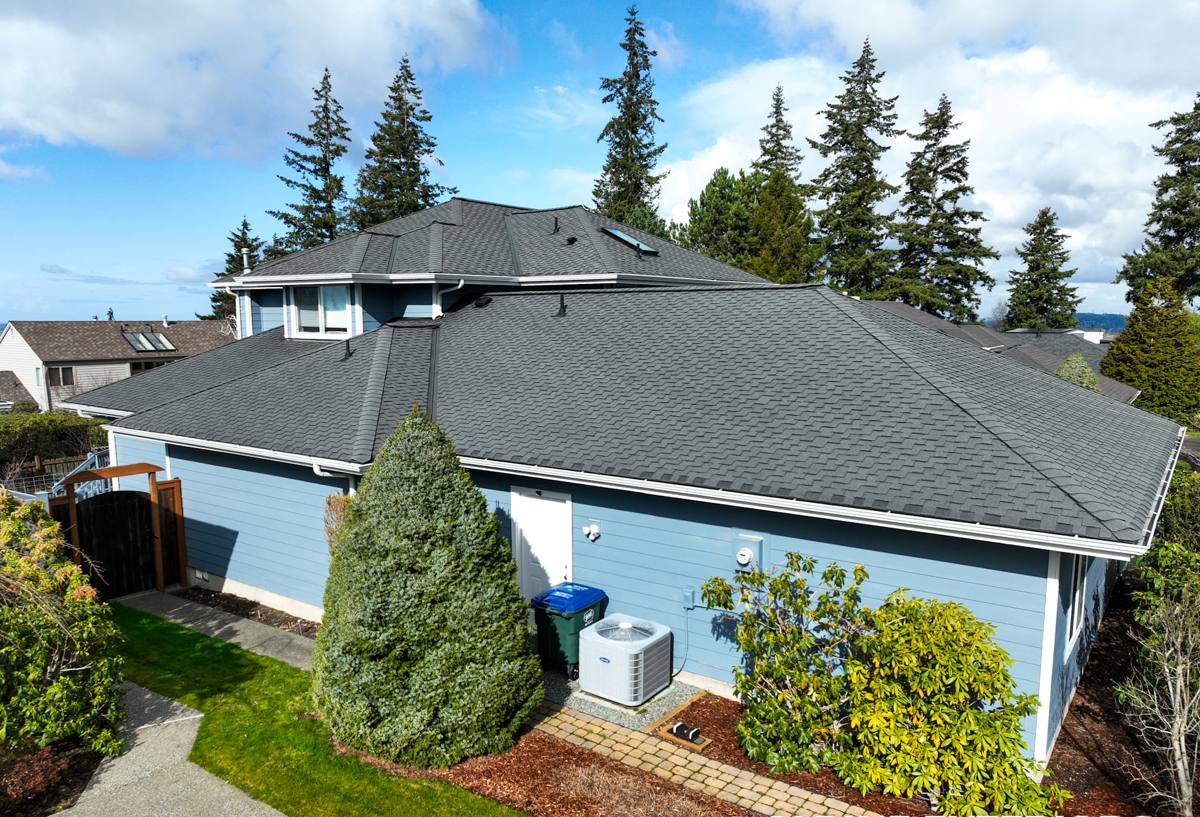
What Bow's Climate Actually Does to a Deck Over Time
Three things drive almost every deck problem we see in this area:
- Salt-laden air off the bay accelerates corrosion on any fastener, bracket, or hanger that isn't rated for it — long before the wood itself shows a problem.
- Driving rain pushes water sideways into ledger connections, stair stringers, and any joint that wasn't flashed or sealed with that direction of water in mind.
- Extended damp shade during fall and winter lets moss and algae establish on decking, especially on the north side of a house or under tree cover, which holds moisture against the boards even longer.
None of this is unusual for the area — it's just the baseline a deck has to be designed around. A deck built with inland-climate assumptions will often look fine for a season or two before the shortcuts start to show.
Choosing Decking Material for a Bow Property
There's no single "right" decking material — the right choice depends on how much upkeep you want to do, your budget, and how exposed the deck is to rain and shade. Here's how the common options actually perform in this climate:
| Material | Moisture Behavior | Maintenance | Typical Lifespan Here |
|---|---|---|---|
| Pressure-treated wood | Resists rot when properly sealed; end cuts and fastener holes are the weak points | Needs re-staining or sealing every 2-3 years in this climate | 15-20 years with upkeep |
| Cedar | Naturally rot-resistant, but softens and grays fast under constant damp shade | Annual cleaning, periodic oil or stain | 15-20 years with upkeep |
| Capped composite | Won't rot or absorb water; can still grow surface moss if never cleaned | Occasional washing; no sealing or staining | 25-30+ years, manufacturer-warrantied |
| PVC decking | Fully non-porous; best resistance to moss and moisture staining | Lowest maintenance of the group | 25-30+ years, manufacturer-warrantied |
We install real wood decks and composite/PVC decks both — the decision comes down to your priorities. If you want the lowest long-term maintenance and don't mind the higher upfront cost, capped composite or PVC makes the most sense in a shaded, damp lot near the water. If you like the look and feel of real wood and are willing to stay on top of sealing every couple of years, pressure-treated or cedar is a fine choice — it just needs a homeowner who'll actually keep up the schedule.
Where We Steer Clients Away From a Product
We don't install every decking product on the market, and it's usually a maintenance or moisture-behavior tradeoff rather than a quality judgment. Uncapped composite boards, for example, can absorb moisture at the core over time in a climate this wet, which shortens their effective life compared to capped composite or PVC. We'll walk through the honest tradeoffs for your specific site rather than push whatever has the best margin.
Framing and Structure: Where Most Deck Failures Actually Start
The decking boards get all the attention, but the framing underneath is what determines whether a deck lasts 15 years or 30. In Bow's climate, we pay particular attention to:
Ledger Attachment and Flashing
Where the deck attaches to the house is the single most common source of hidden rot. Wind-driven rain gets pushed into that joint constantly, so it needs proper flashing that directs water out and away from the house framing, not just a bead of caulk that will eventually fail.
Joist Protection
Every cut end and top edge of a joist is a place water can enter the wood grain directly. We use joist tape or an equivalent moisture barrier on top of the framing before decking goes down, which meaningfully slows rot at the most vulnerable point in the structure.
Footings and Drainage
Skagit County's low-lying, often clay-heavy or saturated soils mean water doesn't drain away from footings the way it does in sandier ground. Footings need to be set to the correct depth and on stable, well-draining material, not just poured wherever is convenient — a footing that sits in standing water for months at a time will eventually heave or settle unevenly.
Airflow Underneath
A deck built low to the ground with poor ventilation underneath traps moisture against the framing year-round. Where clearance allows, we build in enough airflow underneath to let the structure actually dry out between rain events instead of staying damp all winter.
Fasteners and Hardware: The Detail Salt Air Punishes First
This is the detail that separates a deck that ages well from one that starts showing rust streaks and loose connections within a few years. Standard coated deck screws and joist hangers are rated for general use, not for sustained salt-air exposure. In a location like Bow, we spec stainless steel or hot-dip galvanized fasteners and structural hardware rated for corrosive environments, particularly at:
- Ledger bolts and the ledger-to-house connection
- Joist hangers and structural brackets
- Stair stringer connections
- Any visible fastener on the decking surface itself
It costs more upfront than standard hardware. It's also one of the cheapest ways to add years of service life to a deck, because replacing corroded structural hardware later means tearing into finished decking to get at it.
Our Deck-Building Process, Start to Finish
The steps are straightforward, but the details inside each one are where a deck either gets built right or gets built fast:
- On-site assessment: we look at drainage, sun/shade exposure, soil condition, and how the deck will tie into the house before we talk materials.
- Design and material selection: layout, decking material, railing, and stair placement, matched to your budget and how you'll actually use the space.
- Permitting: we handle the permit application and county inspection scheduling so it's not something you have to chase down yourself.
- Demolition or prep: removal of any existing structure, and site prep for footings.
- Framing: footings, ledger flashing, joist layout with moisture protection, and structural hardware sized for the climate.
- Decking, railing, and stairs: installed to the manufacturer's fastening spacing and expansion requirements, which matters more with composite and PVC than with wood.
- Final walkthrough: we go over the finished deck with you, including what maintenance (if any) it needs going forward.
Living With a Deck Through Skagit County's Moss Season
Even a well-built deck needs a bit of seasonal attention in this climate. The good news is it's simple, and how much you need to do depends heavily on the material you chose:
- Sweep leaves and debris off the deck regularly in fall — trapped organic material is what feeds moss growth.
- Rinse or lightly scrub decking surfaces once or twice a year, more often in shaded areas that stay damp longest.
- Keep gutters and downspouts near the deck clear so runoff isn't dumping extra water onto the structure.
- Re-seal or re-stain wood decking on the schedule the product calls for — skipping a cycle in this climate shows up fast.
- Check railing posts and stair connections annually for any looseness, which is often the first sign of a fastener issue.
- Trim back overhanging vegetation that's keeping sections of the deck shaded and damp longer than necessary.
None of this is heavy work, but skipping it is exactly how a deck that was built correctly still ends up looking neglected within a few years.
Permits and Practical Considerations for Bow
Deck projects in unincorporated Skagit County generally require a building permit once the structure is above a certain height or attached to the house, along with setback requirements from property lines. Requirements can vary by lot, especially on properties near shoreline or critical areas, where additional review may apply. We handle the permit process as part of the job rather than leaving it for you to navigate, and we'll flag early if your property has any factors — like shoreline proximity — that could affect what's allowed.
Why It Matters That We Already Work in Bow
A crew that mainly builds decks in drier, inland conditions can still build a structurally sound deck — but they're often making material and hardware decisions based on assumptions that don't hold up here. Knowing that Bow sits close enough to the water for salt air to matter, that certain lots stay shaded and damp most of the year, and how the county's permitting process actually works for a property in this area isn't something you get from a spec sheet. It comes from having built and maintained decks in this specific climate before.
If you're planning a new deck or replacing one that's showing its age, we're happy to take a look and give you a straightforward, no-pressure estimate — just fill out the form below and we'll get in touch.