 Skagit County
 Board & Batten in a Place Where the Weather Doesn't Let Up
Edison sits at the edge of Skagit County's tidal flats and farmland, close enough to the water that salt air is just part of daily life. Homes here take on a different kind of weathering than houses twenty miles inland: fine salt spray settles on siding and trim, moisture hangs in the air longer than it should, and shaded north- and west-facing walls stay damp well after a storm has passed. Add in a moss season that can run from early fall through spring, and it's easy to see why siding that looks fine going up can start showing problems within a few years if it wasn't built for this exact environment.
Board and batten is one of the more popular styles we install in Edison, and for good reason — it suits the area's mix of farmhouses, cottages, and newer builds, and the vertical lines shed water differently than horizontal lap siding. But "board and batten" isn't a single product, and the difference between a correct installation and a shortcut one shows up fastest in a climate like this.
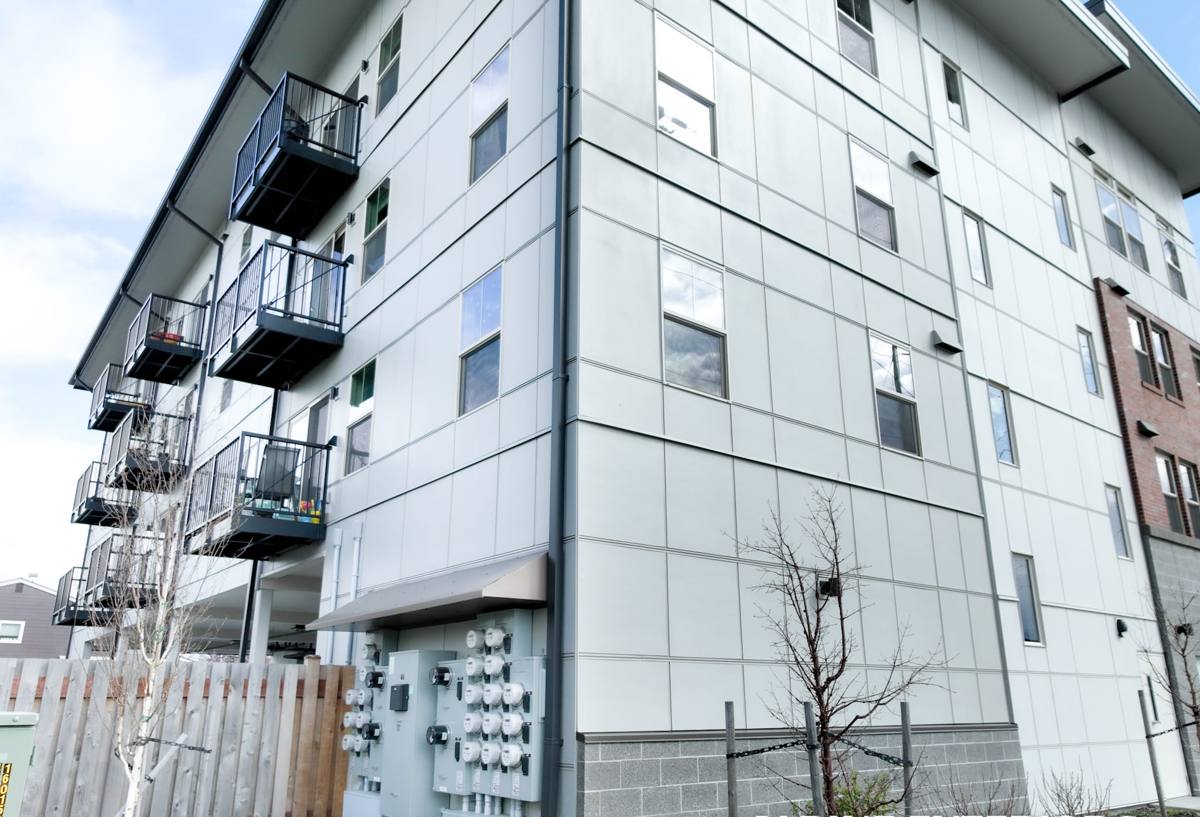
What Edison's Climate Actually Does to a Wall
Salt Air and Fasteners
Salt-laden air accelerates corrosion on anything metal that isn't rated for it — nail heads, flashing, and trim fasteners in particular. On a lot of older homes we look at in and around Edison, the siding itself is still serviceable but the fasteners or flashing have failed early, letting water in behind boards that otherwise look fine from the ground.
Driving Rain
Storms off the water tend to drive rain sideways rather than straight down, which puts more stress on vertical seams and butt joints than you'd see in a calmer inland climate. Board and batten has more vertical seam length than lap siding, which makes the quality of the water-resistive barrier and flashing behind it more important, not less.
Moss and Moisture Retention
Shaded walls, tree cover, and the general dampness of a long Pacific Northwest wet season give moss and mildew plenty of time to establish themselves. Moss holds moisture against a wall surface, which is hard on paint film and worse on any siding material that isn't dimensionally stable when it stays wet.
What a Correct Board & Batten Job Involves
A lot of what determines whether board and batten holds up in Edison happens before the first board goes on the wall.
Drainage Plane and Rainscreen Gap
We install a proper weather-resistive barrier and, on most jobs, furring strips that create a small air gap behind the siding. That gap lets any moisture that does get past the outer layer drain and dry out instead of sitting against the sheathing — which matters more here than in drier parts of the state.
Fastener and Flashing Selection
Given the salt exposure, we use fasteners and flashing rated for coastal-adjacent conditions rather than standard-grade hardware. It costs a little more up front and saves the homeowner from early corrosion staining and loosened boards down the line.
Panel and Batten Spacing
Vertical panels and battens need to be installed to the manufacturer's specified spacing and fastening pattern — not "close enough." Incorrect spacing is one of the more common issues we find when we're called out to look at a board and batten job that's failing early, whether the underlying material was fiber cement, engineered wood, or something else.
Why We Install James Hardie Vertical Siding — and Only That
We install James Hardie fiber cement exclusively. We don't install vinyl, LP SmartSide, primed spruce, cedar, or other fiber cement brands. That's a deliberate standard, not a sales pitch, and in a climate like Edison's the reasoning holds up:
- Non-combustible material that doesn't rely on a factory coating alone to resist moisture damage over time
- ColorPlus factory finish — baked-on color that resists the fading and touch-up mismatch you get with field-painted siding exposed to salt air and UV
- HZ5 climate-engineered formulation built for wet, marine-influenced Pacific Northwest conditions rather than a generic national spec
- Dimensionally stable when saturated, which matters on a material that's going to spend part of the year under moss and standing moisture
- Strong transferable warranty backed by a manufacturer with decades of track record in exactly this climate
We're not going to tell you every other product on the market is unusable — vinyl and engineered wood both have a place, and cedar has genuine appeal. What we will say is that after years of doing this work along this coastline, we stopped installing products that ask a homeowner to fight the climate every few years, and standardized on the one that doesn't.
Board & Batten Material Comparison
| Factor | James Hardie Fiber Cement | Engineered Wood | Vinyl |
|---|---|---|---|
| Salt air / corrosion resistance | High — non-combustible, stable material | Moderate — resin-treated but edge-sensitive | High resistance, but can warp/fade |
| Behavior when saturated | Dimensionally stable | Can swell at cut edges if moisture intrudes | Not moisture-absorbent, but seams can trap water |
| Finish longevity in coastal UV/salt | Factory ColorPlus, long fade resistance | Field or factory paint, more frequent touch-up | Color molded in, can chalk and fade over time |
| Moss/mildew resistance | Doesn't feed organic growth; surface cleans well | Wood-based core more vulnerable if coating fails | Resists growth but seams collect debris |
| Fire resistance | Non-combustible | Combustible | Combustible, can deform under heat |
Our Process, Start to Finish
- On-site walkthrough: we assess existing siding, sheathing condition, moisture history, and sun/shade exposure specific to your lot
- Tear-off and inspection: old siding comes off and we check sheathing for rot or hidden damage before anything new goes up
- Weather-resistive barrier and rainscreen: proper house wrap or building paper, plus furring for drainage where the wall assembly calls for it
- Flashing at every penetration: windows, doors, and any wall penetrations get flashed correctly before siding covers them
- Hardie vertical panel and batten installation: installed to manufacturer spec for fastening, spacing, and clearance from grade and roof lines
- Final detailing: trim, caulking at appropriate joints only, and a walkthrough with the homeowner
What We See Going Wrong on Older Edison Homes
Most of the calls we get in this area aren't about siding that failed on its own — they're about installation shortcuts that the climate eventually exposed. Common issues include missing or undersized rainscreen gaps, standard fasteners that corroded faster than expected given the salt exposure, caulk used in place of proper flashing, and battens installed tight enough to trap moisture instead of letting it drain. None of these show up on day one. They show up in year three or four, usually as staining, soft spots, or boards that have started to cup or pull away from the wall.
Cost Factors to Understand Before You Get a Quote
| Factor | Why It Affects Price |
|---|---|
| Existing siding removal | Tear-off and disposal of old material adds labor before new siding starts |
| Sheathing repair | Rot or moisture damage found underneath must be repaired before re-siding |
| Rainscreen/furring strips | Adds material and labor but is important in this climate's drainage needs |
| Wall height and complexity | Multi-story walls, gables, and cutouts around windows increase labor time |
| Trim and corner detailing | Board and batten trim work is more labor-intensive than simple lap siding |
| Color and finish selection | Factory ColorPlus finishes vary slightly in cost by color family |
Why It Matters That We Already Work in Edison
A siding crew that's worked this specific stretch of Skagit County knows what to plan for before the first estimate is even finished — the salt exposure on walls facing the water, the shaded sides that hold moss longer, and how driving rain off open farmland behaves differently than in a sheltered inland neighborhood. We also know the practical side: scheduling around this area's weather windows, coordinating material delivery to a smaller community, and pulling the right permits through Skagit County without back-and-forth delays. That local familiarity shows up in fewer surprises mid-project and a wall assembly that's actually built for where it's standing.
Simple Maintenance Once It's Installed
- Rinse siding annually to clear salt residue and organic buildup, especially on shaded or water-facing walls
- Inspect caulking at windows, doors, and trim joints once a year and touch up as needed
- Keep vegetation and tree limbs trimmed back from siding to reduce shade and moss buildup
- Check gutters and downspouts before the wet season to keep water moving away from walls
- Address any soft spots, staining, or loose boards promptly rather than waiting for a full inspection cycle
If your Edison home needs new siding or you're dealing with an older board and batten installation that's starting to show its age, we're happy to take a look and give you a straightforward, no-pressure estimate — just fill out the form below.