 Skagit County
 Metal Roofing Built for Edison's Weather, Not Just Any Weather
Edison sits close enough to Skagit Bay and the surrounding tidal flats that homes here deal with a mix of conditions that inland Skagit County properties don't see as intensely: salt-laden air moving in off the water, driving rain that comes in sideways during winter storms, and long stretches of damp, shaded weather that keep roofs wet for days at a time. A metal roof can handle all of that better than most other roofing materials, but only if it's specified and installed with those specific conditions in mind. A metal roof installed the same way you'd install one in a dry inland climate is not the same job, and it won't hold up the same way.
This page is about metal roofing specifically for Edison homes and outbuildings — what the local climate actually does to a roof over time, what a correct installation looks like here, and why it matters to work with a crew that already understands this stretch of Skagit County rather than one learning it on your roof.
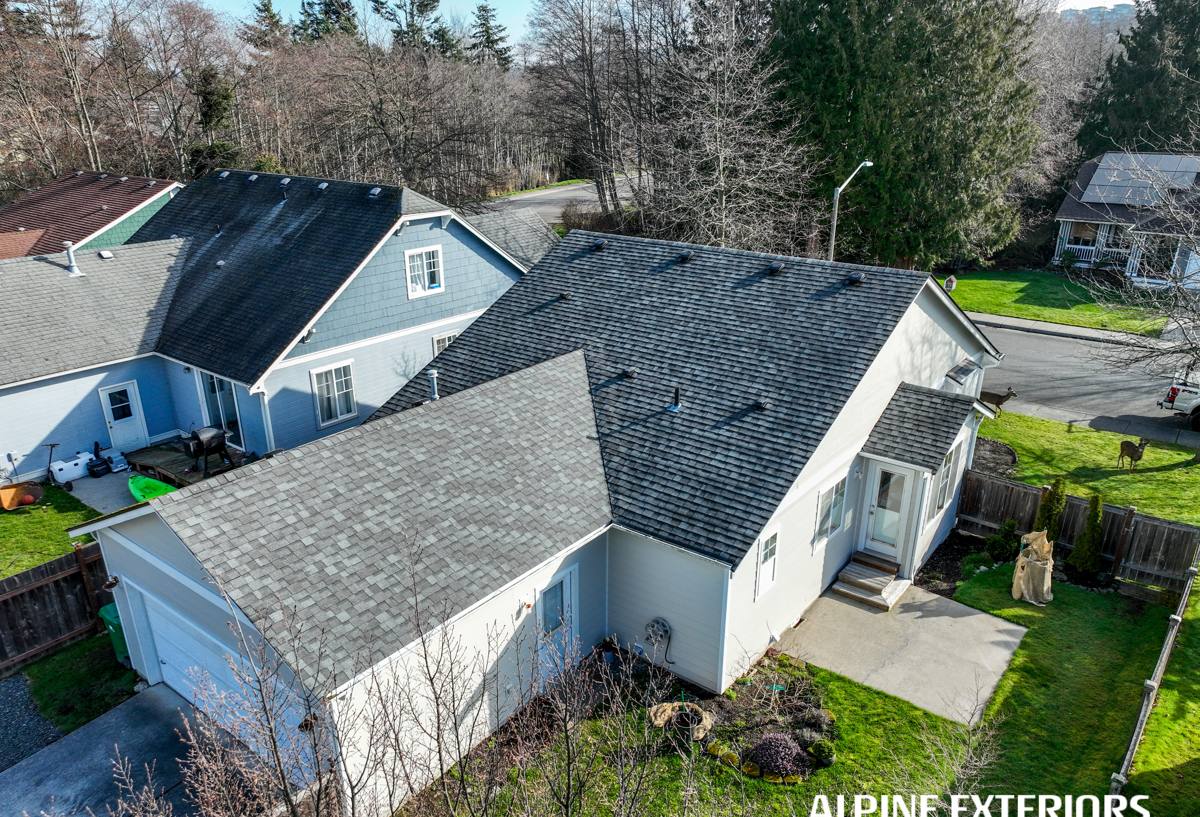
What Edison's Climate Actually Does to a Roof
Salt Air and Corrosion
Proximity to the water means airborne salt settles on exterior surfaces, including roofing metal, fasteners, and flashing. Over years, salt exposure accelerates corrosion on materials that aren't rated for it — especially at cut edges, fastener heads, and any spot where a protective coating has been scratched or worn thin during installation. This isn't a reason to avoid metal roofing; it's a reason to be deliberate about which metal, which coating, and which fastener hardware go on the house.
Driving Rain and Wind-Driven Water
Storms moving through this part of Skagit County often bring rain at an angle, not straight down. Wind-driven rain finds its way under panels, around penetrations, and along valleys and eaves in ways that a light, calm rain never would. A roof that looks fine in a typical shower can still leak during a real Pacific storm if the underlayment, flashing, and panel overlaps weren't detailed for wind-driven water specifically.
Moss and Prolonged Shade or Dampness
Skagit County's long wet season, combined with tree cover common around Edison properties, gives moss plenty of time to establish itself on roofs that hold moisture. Moss isn't just a cosmetic issue — it holds water against roofing material, works into seams and fastener penetrations, and on the wrong roofing system it can lift edges or trap moisture long enough to cause damage underneath. Metal roofing resists moss far better than asphalt shingles, but panel type and slope still affect how well a given roof sheds moisture and stays clear.
Choosing the Right Metal Roofing System for This Area
Not all metal roofing is the same product wearing different colors. The panel style, the metal itself, and the coating all affect how a roof performs against salt air, wind-driven rain, and moss over the long run. Here's how the common options compare for a home in this part of Skagit County.
| System | Coastal/salt durability | Moss resistance | Typical lifespan here |
|---|---|---|---|
| Standing seam (concealed fastener) | Strong — no exposed fasteners to corrode, tight seams shed wind-driven rain well | Excellent, especially at steeper slopes | 40-60+ years with proper coating |
| Exposed-fastener panel | Moderate — depends heavily on fastener quality and maintenance | Good, but exposed screws are a common failure point | 25-40 years, shorter if fasteners aren't maintained |
| Stone-coated steel | Good on the steel itself, coating protects the surface well | Very good — textured surface still sheds water effectively | 40-50+ years |
For homes closer to open water or exposed to prevailing wind off the bay, we generally steer clients toward standing seam with a coastal-rated finish, since it has the fewest points where corrosion or wind-driven water can get a foothold. Exposed-fastener panels can still be the right call on outbuildings, shops, or budget-driven projects — the trade-off is a maintenance commitment to inspect and replace fastener gaskets before they fail, which we're upfront about at the estimate.
What a Correct Metal Roof Install Involves Here
Underlayment That Handles Wind-Driven Water
We use synthetic or self-adhered underlayment rated for high wind and moisture exposure, not the minimum-grade felt some installers still default to. In areas prone to sideways rain, underlayment is the backup layer that catches whatever gets past the panels, so it needs to actually be capable of doing that job.
Fastener and Flashing Hardware Matched to the Environment
Every fastener, screw, and flashing piece needs to be rated for the corrosion exposure it will face. Mixing incompatible metals — for example, the wrong fastener alloy against a given panel type — can cause galvanic corrosion that eats through hardware years before it should fail. This is one of the most common shortcuts we see on roofs that were installed cheaply, and it's invisible until the fasteners start failing.
Valley, Eave, and Penetration Detailing
Valleys, eaves, and roof penetrations (vents, chimneys, skylights) are where wind-driven rain causes the most leaks. Correct detailing means proper overlap, sealed and mechanically fastened flashing, and attention to how water moves across the whole roof plane in a real storm — not just how it looks on a calm day.
Ventilation That Keeps Moisture Moving
A roof deck that can't breathe traps moisture underneath the metal, which shortens the life of the deck itself regardless of how good the roofing is. Proper intake and exhaust ventilation matters more in a consistently damp climate like this one than it does in drier regions.
Our Process for Edison Roofing Projects
- On-site inspection. We look at the existing roof, deck condition, ventilation, and any signs of moisture or moss buildup before recommending a system.
- Honest system recommendation. We walk through panel and material options based on your home's exposure, slope, and budget — including the trade-offs, not just the upsell.
- Deck prep and repair. Any soft, rotted, or moisture-damaged decking gets addressed before a single panel goes on; installing over a bad deck just hides a problem that will resurface.
- Underlayment and flashing install. Done to handle wind-driven rain specifically, not just to meet a minimum code standard.
- Panel installation. Correct fastener spacing, hardware compatibility, and seam or overlap technique for the system chosen.
- Final walkthrough. We go over the finished roof with you, including what maintenance (if any) the system will need going forward.
Maintaining a Metal Roof in Edison's Conditions
Metal roofing is low-maintenance compared to asphalt, but "low" isn't "none," especially with salt air and moss pressure in the mix. A short annual check catches small issues before they become expensive ones.
- Clear overhanging branches and debris that keep sections of the roof shaded and damp longer than necessary
- Rinse off accumulated grime or salt residue, especially on roofs closer to open water
- Check exposed fasteners (if that system was used) for corrosion or loosening gaskets
- Inspect flashing around vents, chimneys, and valleys for sealant wear
- Look for early moss growth in shaded valleys or north-facing slopes and remove it before it spreads
- Confirm gutters and downspouts are clear so water isn't backing up against eaves
What Drives Cost on an Edison Metal Roofing Project
Every roof is different, but a few factors consistently move the price on jobs in this area:
| Factor | Why it matters here |
|---|---|
| Panel system chosen | Standing seam costs more upfront than exposed-fastener panels but needs less long-term maintenance |
| Roof complexity | More valleys, penetrations, and slope changes mean more flashing detail work to get right |
| Deck condition | Moisture damage from past moss or leak issues sometimes isn't visible until tear-off |
| Coating and hardware grade | Coastal-rated finishes and corrosion-resistant fasteners cost more but matter given the salt air here |
| Access and site conditions | Tree cover, steep slopes, or tight lot access affect labor time |
We give a straightforward, itemized estimate after seeing the roof in person — we don't quote sight-unseen, because the deck condition and site access genuinely change the number.
Why Hiring a Crew That Already Works in Edison Matters
A roofing crew that regularly works this part of Skagit County already knows which fastener hardware holds up to salt exposure here, which flashing details actually stop wind-driven rain in a real winter storm, and which roof orientations tend to hold moss longest. That's knowledge built from doing the work here repeatedly, not from a general roofing playbook applied to every job the same way regardless of location. It shows up in the small decisions — the coating spec, the fastener choice, the ventilation detail — that determine whether a metal roof lasts twenty-five years or sixty.
If you're weighing metal roofing for a home or outbuilding in Edison, we're happy to take a look and give you a straight answer about what your roof actually needs — no pressure, no inflated scare tactics about moss or salt damage, just an honest assessment. Reach out for a free estimate using the form below.