 Skagit County
 Roof Damage in Edison Looks Different Than Roof Damage Inland
Edison sits close to the water, in the open, flat farmland of the Skagit Valley delta. That location is part of what makes it a beautiful place to live, and it's also exactly why roofs here take a different kind of beating than roofs twenty miles inland. Wind off the bay hits homes with less to slow it down. Salt air works into fasteners, flashing, and exposed wood faster than it does in a sheltered neighborhood. And the same damp, low-light winters that make the Skagit Valley green also make moss one of the most persistent problems a roof here will face.
When we get a call about storm damage in Edison, we're not just looking for missing shingles. We're checking for the combination of wind stress, moisture intrusion, and slow-building organic growth that tends to show up together on roofs in this part of Skagit County.
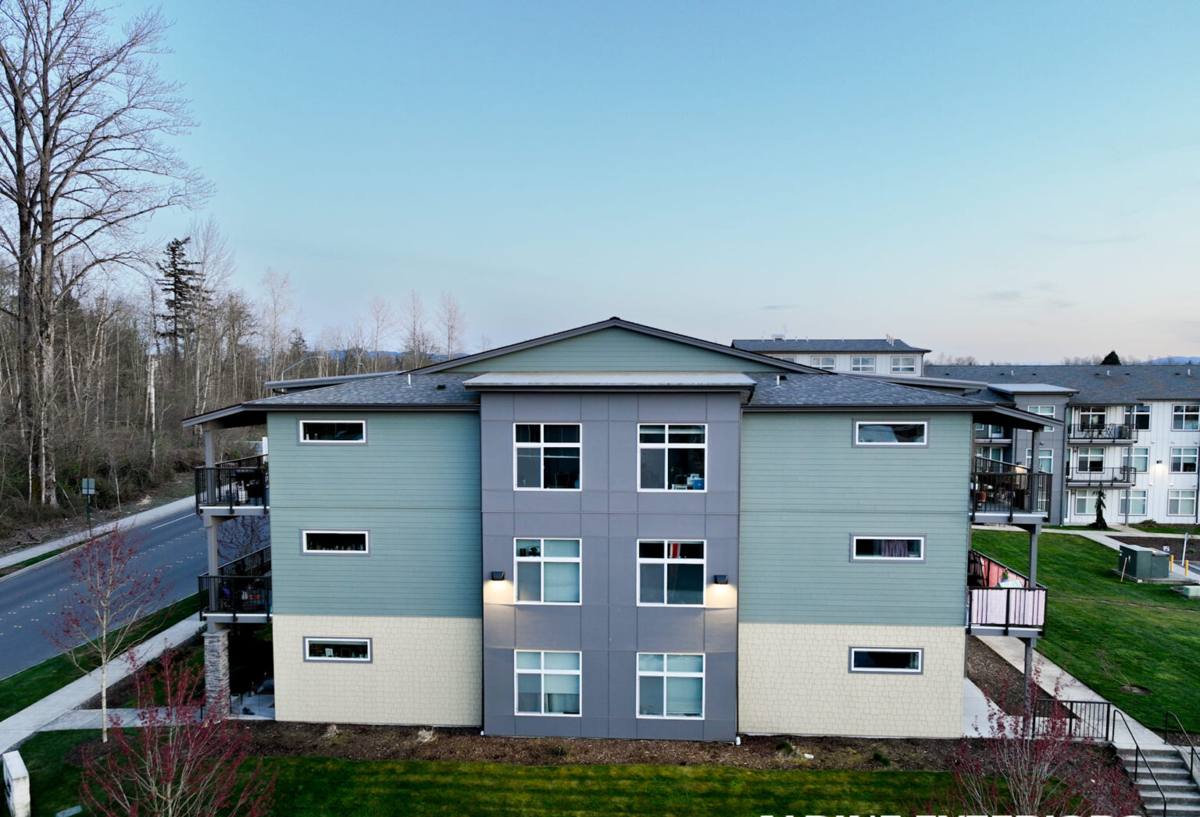
What "Storm Damage" Actually Means on a Skagit County Roof
Storm damage isn't always dramatic. Sometimes it's a handful of shingles peeled back in a windstorm. Sometimes it's water finding its way in through a flashing seam that's been slowly failing for two winters and finally gave out during a hard rain. Both count, and both need to be caught before they turn into a bigger repair.
Wind Damage
Sustained wind and gusts off the bay can lift shingle edges, crack ridge caps, and loosen fasteners even when nothing looks obviously wrong from the ground. Once a shingle's seal is broken, it doesn't reseal itself — every rain after that is an opportunity for water to get underneath it.
Driving Rain and Wind-Driven Water
Rain that comes in sideways, which is common during Skagit Valley storms, doesn't behave like straight-down rain. It can push up under shingle edges and through flashing laps that would be fine in calmer weather. This is one of the most common ways a roof "leaks" without any single piece of damage being obvious.
Moss and Organic Growth
Skagit County's long, wet moss season means moss isn't a cosmetic issue here — it's a structural one over time. Moss holds moisture against the roof surface, lifts shingle edges as it grows, and works its way into seams. A roof that's been storm-damaged and also carries a heavy moss load is dealing with two problems that make each other worse.
Salt Air Corrosion
Metal flashing, fasteners, and vent components corrode faster near the water. A flashing detail that would last two decades inland might need attention sooner in Edison. Storm damage often shows up first at these metal-to-roof connections because they're already the weakest point.
What a Correct Storm Damage Repair Actually Involves
A repair that just covers the visible damage without checking what's underneath is a repair you'll be paying for again. Here's what we consider a complete job.
- Inspect the full roof, not just the area reported as damaged — wind and water rarely stay in one spot
- Check the decking underneath damaged shingles for soft spots, rot, or staining before replacing anything
- Examine flashing at chimneys, vents, valleys, and wall intersections, since these are the most common failure points in coastal wind
- Match replacement shingles as closely as possible so the repair doesn't stand out
- Clear moss and debris from the surrounding area so the repaired section isn't immediately compromised again
- Confirm attic ventilation and any interior signs of moisture that point to a leak that's been active longer than the storm itself
Skipping the decking check is the most common shortcut we see. If water has been getting in for a while before the storm damage was noticed, the plywood underneath can be soft or delaminated. Nailing new shingles over compromised decking doesn't fix anything — it just hides the problem until it's worse and more expensive.
How We Handle a Storm Damage Call in Edison
1. Assessment
We walk the roof and document what we find — the damage itself, the likely cause, and anything nearby that's trending toward becoming its own problem. We'll tell you plainly if what you're looking at is a simple patch or something that points to a larger issue.
2. Honest Scope
We explain what needs to happen now versus what can reasonably wait, and why. If a repair is enough, we say so. If the roof's age or condition means a repair is a short-term fix, we tell you that too.
3. The Work
Repairs are done with materials matched to your existing roof where possible, with attention to the flashing and sealing details that matter most in this climate — those are the details that determine whether a repair lasts five years or fifteen.
4. Follow-Through
We check our own work before we consider the job done, including confirming there's no remaining sign of moisture intrusion inside the attic or ceiling below the repaired area.
Repair vs. Replace: How We Think It Through
| Factor | Leans Toward Repair | Leans Toward Replacement |
|---|---|---|
| Age of roof | Under 12-15 years | Nearing or past expected lifespan |
| Extent of damage | Localized to one area | Scattered across multiple sections |
| Decking condition | Solid, no rot found | Soft spots or rot present |
| Moss/organic buildup | Light, manageable | Heavy, long-term, affecting multiple layers |
| Prior repair history | First significant repair | Repeated patches in same areas |
Most storm calls in Edison end up being legitimate repairs, not full replacements. But we won't recommend a repair on a roof that's clearly past the point where patching makes financial sense — that's not fair to you as a homeowner.
Cost Factors for Storm Damage Repair
Every roof and every storm event is different, so we don't quote sight-unseen prices. What actually moves the cost on a typical Edison repair:
- Size and number of affected areas
- Whether decking replacement is needed underneath the damage
- Roof pitch and accessibility
- Complexity of flashing work required (chimneys, valleys, multiple roof planes)
- Whether moss removal and treatment is needed as part of the visit
- Matching availability for your existing shingle color and style
Straightforward shingle and flashing repairs are usually a modest, bounded cost. Anything involving decking replacement or extensive flashing rework runs higher — we'll walk you through exactly why before any work starts.
Insurance and Storm Damage
If a specific storm event caused the damage, it may be worth a call to your homeowner's insurance before repairs begin. We're glad to provide a written assessment of what we find and photos of the damaged areas to support a claim. We're not adjusters and don't make promises about what will or won't be covered — that's between you and your insurer — but we'll give you accurate documentation either way.
Why It Matters That We Already Work in Edison
A crew that only occasionally works this part of Skagit County has to relearn the local conditions every time. We already know that Edison-area roofs deal with more direct wind exposure than roofs tucked into the hills, that salt air shortens the practical life of certain flashing and fastener choices, and that moss here isn't a once-a-decade cleanup — it's an ongoing maintenance factor that affects how a repair should be detailed. That local knowledge shows up in small decisions during a repair: which flashing approach holds up better this close to the water, how tight the shingle seal needs to be given the wind exposure, and where moss is likely to cause the next problem if it isn't addressed now.
None of that replaces a straightforward, honest assessment of your specific roof. But it means we're not guessing about what Skagit County weather does to a roof over time — we've seen it, repeatedly, on homes near yours.
Signs You Shouldn't Wait On
Some storm damage is obvious. Some isn't, until it's caused an interior problem. Worth a call sooner rather than later if you notice:
- Visible missing, cracked, or curled shingles after a windy stretch
- Granules collecting in gutters or downspouts
- Water stains on interior ceilings, especially near exterior walls or chimneys
- Daylight visible through the attic roof deck
- Heavy moss buildup combined with any of the above
A roof problem caught right after a storm is almost always cheaper and simpler to fix than the same problem discovered months later after repeated soaking.
If you're dealing with storm damage on an Edison roof, or you just want a second, honest opinion on what a recent windstorm may have loosened, we're happy to come take a look. Request a free, no-pressure estimate using the form below.