 Skagit County
 Big Lake's Siding Problem Isn't Like Everyone Else's
Big Lake sits in a pocket of Skagit County where the siding on a house works harder than it looks like it should. The lake itself keeps humidity in the air longer through the day than it lingers in town. The tree cover that makes the neighborhood attractive also means less direct sun on north- and east-facing walls, which slows drying after every storm. Add in the driving rain that rolls through the Skagit Valley off the Puget Sound lowlands most of the year, and you have siding that's rarely fully dry for more than a few days at a stretch between fall and spring.
That combination — standing moisture, shade, and wind-driven rain — is exactly the environment moss and mildew look for. It's also exactly the environment where the wrong siding material, or the right material installed poorly, shows its weaknesses fastest. We've worked on enough homes around Big Lake to know which walls fail first and why, and it shapes how we spec and install every job here.
Why This Is a One-Product Page
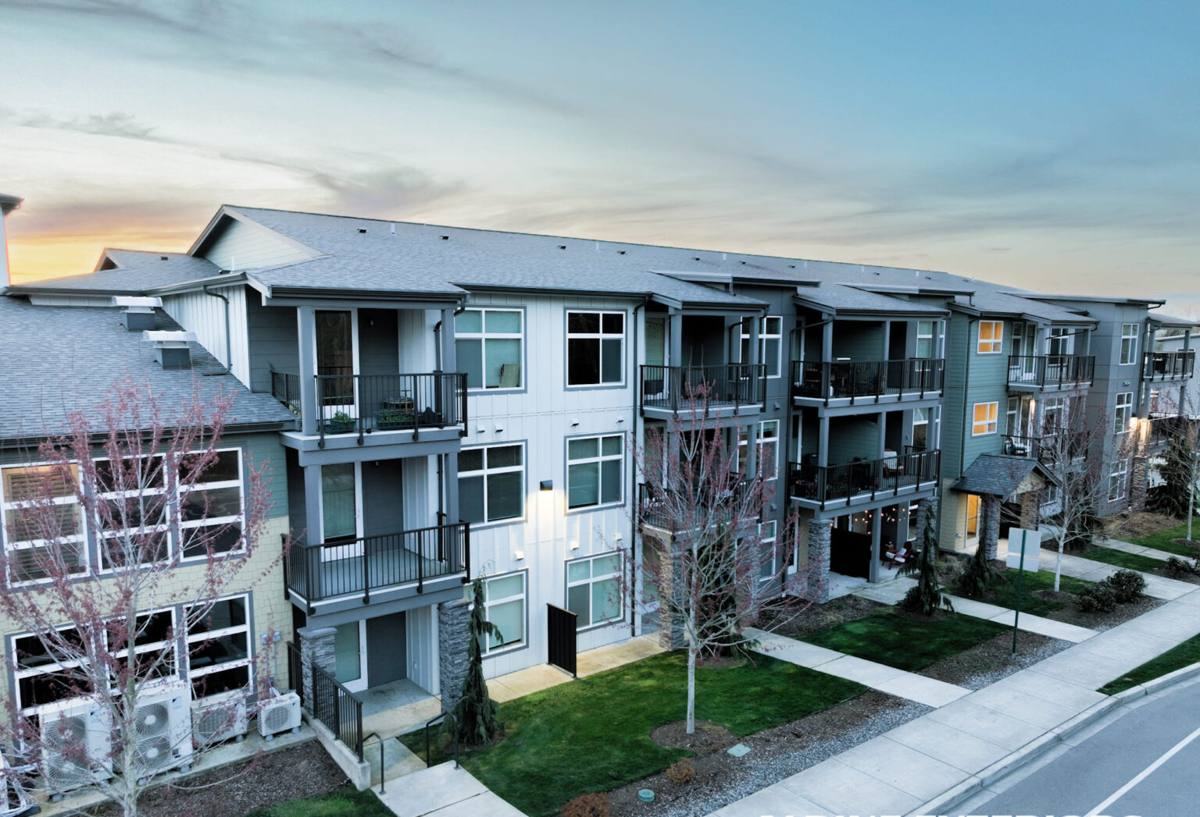
We install James Hardie fiber cement siding. That's it. We don't carry LP SmartSide, vinyl, Cemplank, Allura, primed spruce, or cedar on the truck, and we're not going to quote you one of those and pretend it's an equal option. Each of those products has a legitimate use case somewhere — this just isn't a page about them. This page is about what a correct James Hardie installation looks like on a Big Lake home, and why we think it's the only siding worth putting on a house that has to deal with this much sustained moisture.
Fiber cement doesn't feed mold the way wood-based products can, and it doesn't trap moisture behind it the way some vinyl installations do when the underlying wall isn't detailed correctly. It's not magic — bad installation can undermine any siding product — but the material itself gives us a lot more margin for error in a climate that doesn't forgive shortcuts.
Matching the Right Hardie Product to a Big Lake Wall
James Hardie makes several product lines, and part of doing this job right is not defaulting to the same spec on every wall. A shaded, north-facing gable that stays damp longer needs a different look at detailing than a sun-exposed south wall, even though the siding brand is the same.
| Hardie Product | Best Use on Big Lake Homes | Why It Fits |
|---|---|---|
| HardiePlank Lap Siding (HZ5) | Primary field siding, all exposures | Engineered for the wetter, cooler side of Hardie's climate zones; standard choice for this part of Washington |
| HardiePanel Vertical Siding | Gables, accent walls, shop/outbuilding exteriors | Fewer horizontal laps means fewer joints where water can find a way in on high, hard-to-maintain walls |
| HardieTrim Boards | Corners, window and door casing, fascia | Matches the siding's moisture behavior so trim and field don't expand or wear at different rates |
| HardieSoffit | Eaves and overhangs | Ventilated options help manage the attic and wall-cavity moisture that shaded lake lots tend to hold onto |
ColorPlus factory-applied finish is worth calling out specifically for this area: it's baked on and backed by its own finish warranty, which matters more here than in a drier climate because field-applied paint on shaded, damp walls tends to fail at the edges and end cuts first — exactly the spots that are hardest to keep an eye on.
What "Correct Installation" Actually Means Here
James Hardie's product is only as good as the wall assembly behind it. On Big Lake homes specifically, we pay close attention to a handful of details that get skipped more often than they should:
Drainage plane and rain screen gap
Water finds its way behind siding eventually, especially on walls that face weather most of the year. A proper weather-resistant barrier, correctly lapped and taped, plus a drainage gap behind the siding, gives that moisture somewhere to go instead of sitting against the sheathing.
Flashing at every penetration
Windows, doors, hose bibs, light fixtures, deck ledgers — every hole in the wall is a place water wants to enter. On a lake lot where walls stay damp longer, we don't rely on caulk alone to do that job. Caulk is a backup, not a flashing system.
Fastener placement and clearance
Hardie specifies exact nailing patterns and minimum clearances from the ground, roofline, and other surfaces. Siding installed too close to a deck, patio, or grade line stays wet longer and shows it first — we see this on older homes near the lakeshore more than anywhere else in the county.
Joint and butt-seam treatment
Factory-primed or ColorPlus butt joints need to be treated per Hardie's spec, not just butted together. Loose joints are where the first visible streaking and moss growth usually start on a lap-sided wall.
How We Approach a Big Lake Project
- Walk the exterior with you. We look at every elevation, note which walls get the least sun, and check current siding, trim, and flashing condition before we talk product.
- Check what's underneath. Where old siding comes off, we inspect the sheathing and framing for rot or long-term moisture damage before anything new goes up — this is non-negotiable on a lake-area home.
- Spec by wall, not by house. Shaded and exposed elevations may get different trim details or ventilation treatment even though the siding line matches.
- Install to Hardie's fastening and clearance spec. Not the fastest way to hang a board — the correct way for this climate.
- Detail every penetration and joint. Flashing first, sealant second, never the reverse.
- Final walkthrough. We go over clearances, drainage, and finish with you before calling the job done.
What We See on Older Big Lake Homes
A lot of our repeat calls in this neighborhood trace back to the same handful of causes. Before we quote new siding, we check for these on the existing exterior:
- Siding installed tight against deck boards, patios, or soil with no clearance gap
- Moss buildup concentrated on north and east walls, especially under tree canopy
- Caulk used as the primary seal around windows instead of proper flashing
- Soft or discolored sheathing found once old siding is removed near ground level
- Butt joints on lap siding that have separated or cupped over time
- Gutters or downspouts discharging directly onto a siding wall
None of these are unique to any one product — they're wall-assembly and workmanship issues. But they show up faster and do more damage on a lake lot than they would on a drier, more open site in town.
Cost Factors Specific to a Big Lake Job
Every siding quote depends on the house, but a few things move the number more on lake-area homes than they do elsewhere in Skagit County:
| Factor | Why It Affects the Job |
|---|---|
| Extent of hidden sheathing damage | Damp-side walls more often need sheathing or framing repair once old siding comes off |
| Tree and canopy clearance | Limbs need trimming back before scaffolding and siding work can proceed safely on shaded lots |
| Access around the lake side of the property | Waterfront-adjacent lots sometimes have tighter equipment access or slope to work around |
| Trim and detail complexity | Homes with more gables, dormers, and window trim take more flashing and cutting time |
| Product mix | Vertical panel on gables or accent walls plus lap on the field costs differently than one product throughout |
We'll walk through your specific numbers on-site rather than quote a range that doesn't mean much until we've seen the house.
Living With James Hardie Siding on a Lake Lot
Correctly installed Hardie siding isn't maintenance-free, but it's low-maintenance in a way that matters here. A yearly rinse-down on shaded walls keeps moss from getting a foothold, and the ColorPlus finish means you're not scraping and repainting on the schedule a wood-based product would demand in this much moisture. Keep an eye on gutters and downspouts so they're not dumping water directly onto a wall, and keep vegetation trimmed back from the siding so air can move and walls can dry between storms — that airflow does more for a shaded Big Lake wall than almost anything else you can control.
Why It Matters That We Already Work This Neighborhood
Skagit County covers a lot of different microclimates — the exposure on a Big Lake property isn't the same as a wind-scoured farmhouse out on the flats or a tighter in-town lot in Mount Vernon. A crew that already has jobs in this specific area knows which walls to expect trouble on before the tear-off even starts, knows how the local building department wants moisture barriers and flashing detailed, and isn't guessing about how this lake's microclimate behaves through a full year. That familiarity shows up in fewer surprises mid-project and in a spec that's right for your specific lot the first time.
If you're planning a siding project on a Big Lake home, we're happy to walk the exterior with you, look at what's happening with your current siding, and put together a straightforward, no-pressure estimate for a correctly installed James Hardie system. There's a form below — reach out and we'll set up a time to come take a look.