 Skagit County
 Windows Built for La Conner's Waterfront Climate
La Conner sits right on the Swinomish Channel, which means homes here deal with a version of Skagit County weather that's a notch tougher than what you'll find further inland. Salt-laden air off the water, driving rain that comes in sideways during winter storms, and a long, damp moss season that never seems to fully let go — all of it works against a window's weakest points: the seals, the frame corners, and whatever flashing (or lack of flashing) sits behind the trim. A window that's fine in a dry inland town can fail early in La Conner if it wasn't installed with this specific exposure in mind.
This page covers window installation as a standalone service for La Conner homes and small commercial buildings — what the climate demands, what a correct install actually involves, and how we approach the job differently than a crew that only occasionally works this close to the water.
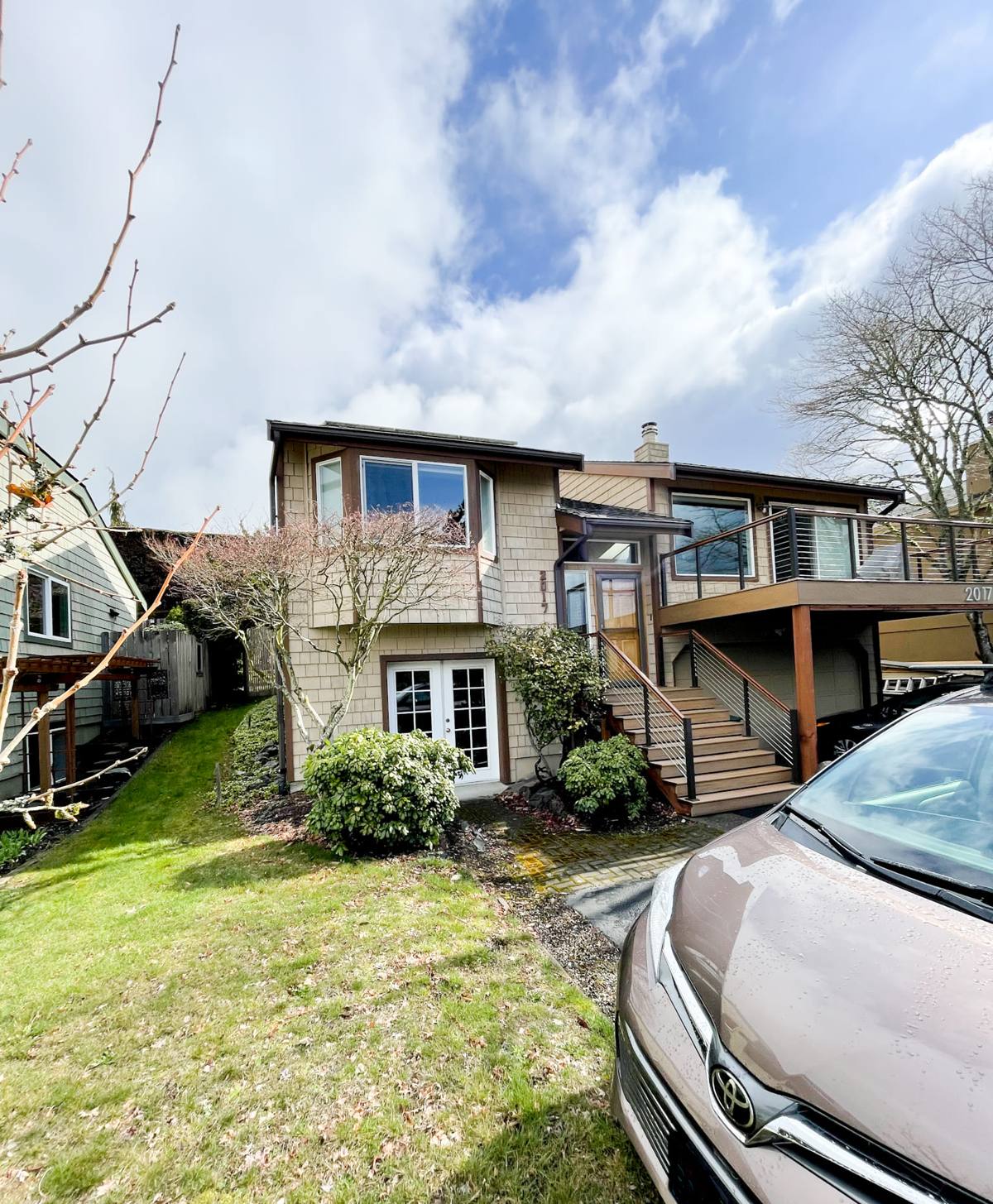
What Salt Air and Driving Rain Actually Do to a Window
Salt air
Airborne salt is corrosive to unprotected metal hardware — hinges, cranks, locks, and some lower-grade frame fasteners. It also accelerates the breakdown of certain sealants and finishes faster than the manufacturer's warranty language usually anticipates. This doesn't mean windows can't hold up near the channel; it means hardware finish and sealant choice matter more here than they would ten miles inland.
Driving, wind-driven rain
Rain that falls straight down mostly just needs to shed off a sill. Rain that's being pushed sideways by wind off the water finds its way into gaps that would never leak in calmer conditions — around the nailing fin, at the corners of the rough opening, and anywhere flashing overlaps aren't sequenced correctly (water always needs to be directed over the layer below it, never under it). Most window leaks we're called out to inspect trace back to flashing sequence, not the window unit itself.
Moss and prolonged dampness
Skagit County's long wet season keeps wood trim and sills damp for extended stretches, and moss thrives in that. Moss holds moisture against a surface longer than open air ever would, which is hard on unpainted or poorly sealed wood trim around a window opening. It's a slow problem, not a dramatic one — which is exactly why it gets ignored until the trim underneath has already started to soften.
Signs a La Conner Home Needs Window Attention
- Fogging or a permanent haze between the panes of a double-pane window (seal failure — the insulating gas has escaped)
- Soft or discolored trim/sill wood around the window frame, especially on the sides facing the water or prevailing wind
- Visible gaps or daylight around the frame when the window is closed
- Drafts or a noticeable temperature difference near the window even when it's shut
- Hardware — cranks, locks, hinges — that's stiff, corroded, or won't latch cleanly
- Paint or finish that's bubbling or peeling specifically around the window opening, not the wall in general
- Moss or persistent green growth building up on the sill or trim
- Difficulty opening or closing that didn't used to be there (often a sign the frame has shifted or swollen)
What a Correct Installation Involves
Window installation is mostly a sequencing and detailing job — the window unit itself is usually the easy part. Here's what we treat as non-negotiable on every install, and especially on anything close to the channel:
1. Opening inspection before anything gets installed
We check the rough opening and surrounding framing for existing moisture damage before setting a new window into it. Installing a brand-new window into a compromised opening just hides a problem instead of fixing it.
2. Correct flashing sequence
Sill pan flashing first, then side flashing, then head flashing — each layer overlapping the one below it, so water is always shed outward and downward, never trapped behind the cladding. This is the single most important part of the job for a location with driving rain, and it's also the step that gets rushed or skipped on a bad install.
3. Proper shimming and leveling
A window that's not shimmed evenly will operate poorly and stress the seals unevenly over time, which shortens its service life regardless of how good the unit itself is.
4. Sealant chosen for the exposure
Not every exterior sealant holds up the same way to salt air and constant damp-dry cycling. We use sealants and backer rod appropriate for coastal-adjacent exposure, not just whatever's fastest to apply.
5. Insulation without overcompression
The gap between the window frame and the rough opening needs to be insulated, but packing it too tight can bow the frame and cause the window to bind. It's a balance, not a "more is better" situation.
6. Interior and exterior trim sealed as a system
The window isn't done when it's set in the opening — trim, caulking, and paint or finish on both the interior and exterior side are part of keeping water out and the whole assembly performing as intended.
Frame Material: What Actually Matters for This Exposure
| Material | Behavior Near Salt Air / Rain | Maintenance |
|---|---|---|
| Vinyl | Doesn't corrode or rot; performs consistently in damp, salt-exposed conditions | Low — occasional cleaning |
| Fiberglass | Very stable dimensionally, holds up well to moisture and temperature swings | Low |
| Aluminum | Durable but hardware and unprotected fasteners can corrode faster in salt air over time | Moderate — watch hardware |
| Wood (unclad) | Classic look, but most exposed to moss growth and moisture absorption in this climate | Highest — regular painting/sealing needed |
| Wood-clad (vinyl or aluminum exterior) | Wood interior warmth with a protected exterior face; a common middle ground | Moderate |
We don't push one material as universally "best" — it's a trade-off between upfront cost, maintenance tolerance, and look. What we do insist on is that whatever material you choose gets installed with the flashing and sealing detail this climate requires, because a good window with a bad install will underperform a modest window with a correct one.
Our Process for La Conner Installations
- On-site assessment — we look at existing window condition, the rough opening, trim, and any visible moisture history before recommending anything.
- Honest scope and options — we walk through material and configuration options in plain terms, including what we'd choose for our own home in the same spot on the channel.
- Scheduling around the weather — openings get exposed to the elements during a window swap, so we plan around forecasted rain rather than fighting it.
- Removal and opening prep — old units come out carefully, and we address any framing or moisture issues found before the new window goes in.
- Installation with full flashing sequence — sill pan, sides, head, sealant, insulation, and shimming done in the correct order, every time.
- Interior and exterior finish work — trim, caulking, and touch-up so the job looks finished and performs as a sealed system.
- Final walkthrough — we check operation, seals, and finish with you before calling it done.
Why a Crew That Already Works La Conner Matters
Window installation isn't exotic work, but installing correctly for a specific exposure comes from having actually done it in that exposure repeatedly. A crew that mostly works drier, inland conditions may not default to sill pan flashing or coastal-appropriate sealant unless it's specifically flagged — because it's not always necessary where they usually work. A crew that regularly does exteriors around La Conner and the Swinomish Channel treats those details as standard procedure, not an upsell, because we've seen what happens when they're skipped.
There's also a practical side: we're not driving in from out of the area for a callback if something needs a follow-up check after the first hard storm of the season. Being a local Skagit County crew means warranty work and follow-up visits are straightforward, not a scheduling project.
Cost Factors to Understand Before You Get Quotes
| Factor | Why It Affects Price |
|---|---|
| Number of windows | Per-unit cost typically drops somewhat on larger jobs due to shared setup and labor |
| Frame material chosen | Vinyl, fiberglass, aluminum, and wood/wood-clad carry different material costs |
| Existing opening condition | Rot or moisture damage found during removal adds repair scope before the new window goes in |
| Window size and configuration | Larger units, custom shapes, or multi-pane configurations cost more than standard sizes |
| Story/accessibility | Second-story or hard-to-access windows take more time and equipment |
| Trim and finish scope | Full interior/exterior trim replacement adds cost versus reusing sound existing trim |
We don't quote broad numbers on a page like this because the honest answer depends on what we find at your home — but we're always upfront about what's driving the cost once we've actually looked at the job.
A Few Things We Won't Do
- We won't install a new window into an opening with unresolved rot or moisture damage without addressing it first — it just hides the real problem.
- We won't skip sill pan flashing to save time, even on jobs where it's tempting to cut a corner.
- We won't recommend a frame material or sealant that isn't suited to this climate just because it's cheaper or faster to source.
- We won't oversell a full window replacement when a repair or reseal is genuinely the right call.
If you're noticing drafts, fogged glass, soft trim, or you're just planning ahead before the next round of fall storms comes through the channel, we're happy to take a look. Request a free, no-pressure estimate using the form below and we'll walk your home with you and give you a straight answer.