 Skagit County
 Custom Windows Built for Lyman's Climate, Not a Showroom
Lyman sits along the Skagit River corridor, tucked between farmland and timber country, and the weather here doesn't split the difference — homes take on damp Pacific air moving up the valley, long stretches of driving rain through fall and winter, and a moss season that seems to start earlier every year. Custom windows in this part of Skagit County aren't a cosmetic upgrade. They're one of the few places in a house where poor material choices or a rushed install show up fast, in the form of fogged glass, soft trim, or drafts you can feel standing three feet away.
When we talk about "custom windows," we mean units sized and specified to the actual opening and the actual house — not a stock size forced into a rough opening with shims and caulk. For older Lyman homes with settled framing, or additions built at a slightly different era than the original structure, custom sizing is often the only way to get a window that seals correctly on all four sides.
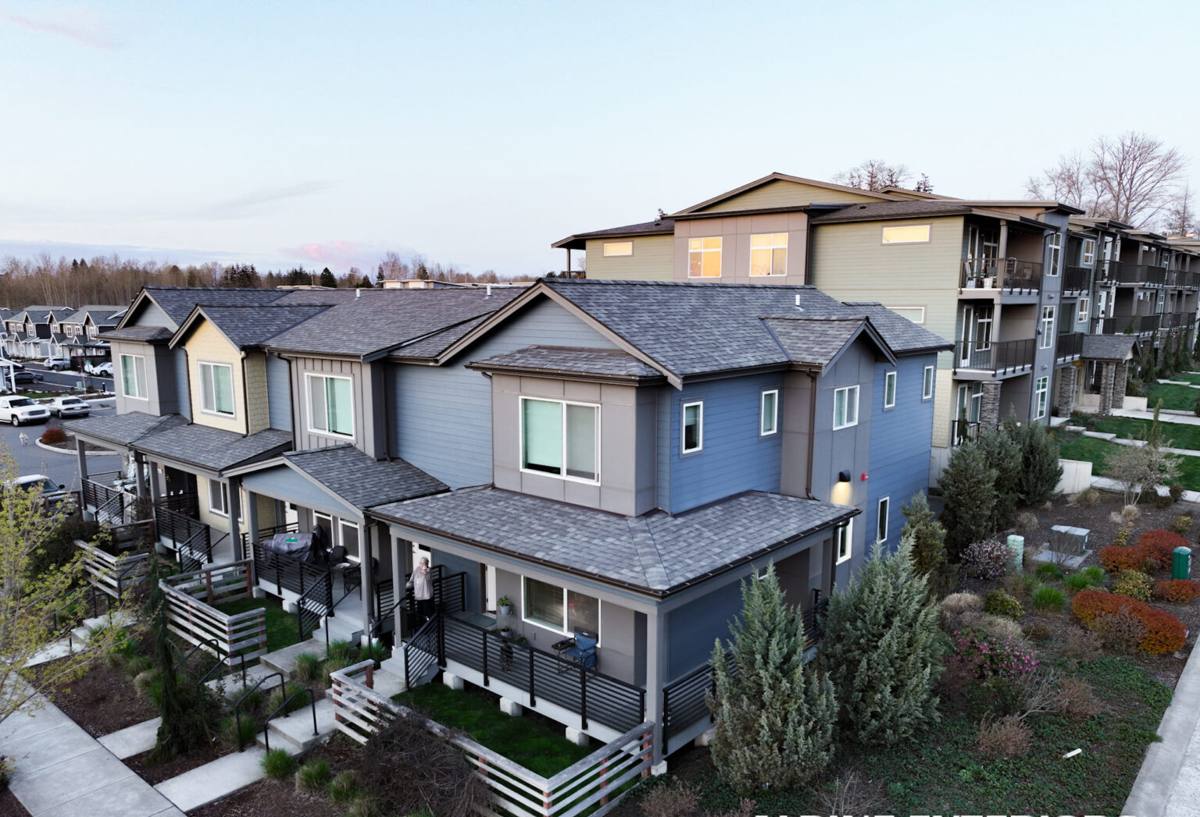
What Skagit County's Weather Actually Does to Windows
Moisture Is the Long-Term Enemy
Skagit County gets a real wet season, and Lyman's position near the river and surrounding hills means fog and damp air linger longer than in more open, exposed areas. Wood-frame windows that aren't properly flashed or finished will absorb moisture at the sill and corners over several seasons, leading to swelling, sticking sashes, and eventually rot that's expensive to fix compared to doing the install right the first time.
Driving Rain Finds Every Gap
Wind-driven rain doesn't fall straight down — it gets pushed sideways into any gap in the flashing, the nailing fin, or the sealant bead. A window that looks fine in dry weather can still leak during a hard winter storm if the water management behind the trim wasn't done correctly. This is almost always an installation issue, not a product defect.
Moss and Organic Growth
Moss doesn't just grow on roofs. Given enough shade and moisture, it takes hold on window sills, trim, and anywhere water sits instead of draining. Correct sill pitch and drainage detailing during install make a real difference in how much maintenance a window needs down the road.
Temperature Swings and Condensation
Skagit County winters bring a real gap between indoor heating and outdoor cold and damp. Single-pane and poorly sealed older windows condense heavily, and that condensation is what feeds mold and sill rot over time. Modern insulated glass units, properly installed, cut this down significantly.
What a Correct Custom Window Job Involves
A quality window installation is mostly about what happens before and around the glass — not the glass itself. Here's what we consider non-negotiable on every job:
- Accurate measurement of the actual rough opening, accounting for out-of-square settling common in older homes
- Removal of old units without damaging surrounding sheathing, so we can inspect for hidden rot or water damage before it's covered back up
- Proper flashing sequence — water-resistive barrier integrated correctly with the window flange, shingle-style, so water sheds outward and down, never behind the siding
- Sill pan flashing on every opening, creating a backstop against any water that does get past the primary seal
- Correct sealant placement — sealed where it should be sealed, and left open where the window needs to drain or breathe
- Shimming and fastening per manufacturer spec so the frame isn't racked, which affects both operation and seal longevity
- Interior and exterior trim finished to actually shed water, not just look finished
Skip any one of these steps and the window can still look fine on move-in day. The failures show up in year two or three, which is exactly why installation quality matters more than which brand of glass you choose.
A Quick Pre-Job Checklist We Walk Through With Homeowners
- Are the existing openings actually square, or has the house settled?
- Is there visible or suspected rot in the sill or surrounding framing?
- What's the current siding type, and how does it terminate at the window opening?
- Which direction do the openings face — prevailing wind and rain exposure matters for flashing detail
- Is this a straight swap, or does the opening need reframing?
- What's the realistic timeline, given weather windows for exterior work?
Choosing Frame and Glass Options: Honest Trade-Offs
There's no single "best" window material — there are trade-offs depending on budget, maintenance appetite, and how exposed a given wall is. We walk homeowners through this rather than pushing one option:
| Frame Material | Maintenance | Moisture Behavior | Typical Lifespan |
|---|---|---|---|
| Vinyl | Low — no painting needed | Doesn't rot; seals can degrade with age and UV exposure | 20-30 years |
| Fiberglass | Low to moderate | Very stable in wet climates; minimal expansion/contraction | 30-40+ years |
| Wood (clad exterior) | Higher — interior wood, exterior clad reduces upkeep | Good if properly sealed and maintained; vulnerable if finish fails | 20-30 years with upkeep |
| Aluminum | Low | Conducts cold and can condense heavily in our climate | 20-30 years |
For a place like Lyman, where sustained damp and driving rain are the norm rather than the exception, we tend to steer homeowners toward vinyl or fiberglass for most applications, and clad-wood where the look matters most and the budget supports the added maintenance. We're not going to tell you a manufacturer's product is bad — we will tell you honestly which materials hold up with the least fuss in this specific climate, and let the trade-offs guide the decision.
Glass Package Considerations
Double-pane, low-E, argon-filled units are the practical standard for this region now — the extra layer of protection against heat loss and condensation pays for itself over a Skagit County winter. Triple-pane is available and does offer a further step up in insulation, but the added cost doesn't always make sense unless the wall is especially exposed to wind or the home has specific noise concerns nearby.
Our Process for Lyman Custom Window Projects
1. On-Site Assessment
We start by looking at every opening individually — no two are guaranteed to be the same size or condition, especially in older Lyman homes. We check for rot, measure precisely, and note anything unusual about the framing or existing trim.
2. Honest Scoping and Estimate
You get a clear breakdown of what's being replaced, what materials we're recommending and why, and what the realistic cost range looks like — including flagging any openings that may need extra framing repair once we get into the wall.
3. Ordering to Exact Specification
Custom windows are built to the measurements we take, not adjusted to fit an off-the-shelf size. This takes more lead time than stock windows, and we tell you that upfront so there are no surprises on scheduling.
4. Removal and Inspection
When we pull the old units, we inspect the sheathing and framing before anything new goes in. If there's hidden water damage, we address it then — not after it's sealed behind a new window for another decade.
5. Installation to Spec
Flashing, sill pans, shimming, and fastening are done to manufacturer and code requirements, every time, regardless of whether it's a single window or a whole-house replacement.
6. Final Walkthrough
We check operation, seals, and trim with you before calling the job done, and explain any basic upkeep specific to the material you chose.
Why a Crew That Already Works Lyman Matters
Skagit County covers a lot of ground, and the right approach for a wind-exposed farmhouse isn't identical to what an infill lot in town needs. A crew that's already done work in and around Lyman has a feel for how houses in this specific stretch of the county tend to be built, what kind of moisture exposure is typical, and which small adjustments in flashing detail actually matter here versus in a drier part of the state. That familiarity translates into fewer surprises mid-project and a faster, more accurate estimate up front.
It also matters for timing. Exterior window work depends on weather windows, and a crew that knows the local rain patterns plans installation days accordingly instead of guessing.
Maintenance After Installation
Even a well-installed window benefits from basic upkeep, especially in a climate like this one:
- Clear debris and moss from sills and tracks a couple of times a year, more often if the window sits in heavy shade
- Check exterior caulking annually for cracking or separation, and have it touched up before it fails completely
- Keep gutters and downspouts clear so runoff isn't sheeting directly across window openings
- Operate sashes periodically, even in windows you don't use often, to keep hardware and seals functioning
None of this is complicated, but skipping it is how a well-installed window still ends up with problems a decade in.
Get a Straight Answer for Your Lyman Home
If you're dealing with drafty, fogged, or sticking windows, or planning ahead for a renovation, we're happy to come take a look and give you an honest read on what your home actually needs — no pressure, no upsell. Use the form below to request a free estimate.