 Skagit County
 Window Replacement for Lyman, Washington Homes
Lyman sits in the Skagit River valley, and like the rest of Skagit County, homes here take a steady beating from the weather. It's not one dramatic storm that wrecks a set of windows — it's years of driving rain, damp air, and long stretches of gray, mossy weather working their way into gaps, seals, and frames that were never built to handle decades of it. If your windows are original to the house or came from a builder-grade upgrade twenty-plus years ago, there's a good chance they're already losing the fight, even if they don't look too bad from the driveway.
This page is about one job, done right, in one area: replacing windows on homes in and around Lyman. Not a general overview of every siding or roofing service we offer — just what local homes actually need when it comes time to deal with tired, drafty, or failing windows.
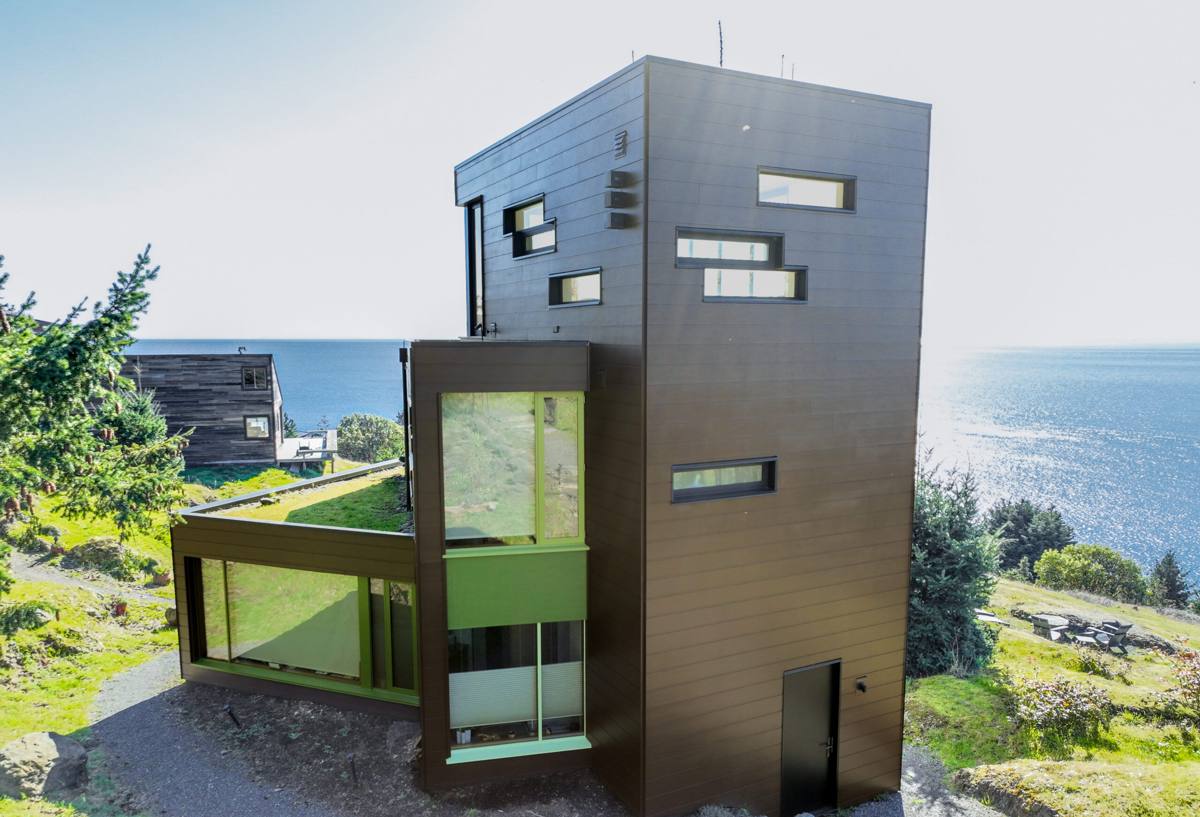
What Skagit County Weather Does to Windows Over Time
Skagit County's climate is rough on building materials in a few specific ways that matter for windows:
- Driving rain pushes water sideways into any gap in flashing or caulking, not just straight down — this is where most leaks around older windows actually start.
- Salt-tinged, moisture-heavy air off the Sound accelerates corrosion on hardware, hinges, and metal fasteners, and speeds up the breakdown of cheap weatherstripping.
- A long moss and mildew season means anything that stays damp — wood sills, poorly sealed corners, deteriorated caulk lines — stays damp for months at a time instead of drying out between storms.
Individually, none of these are dramatic. Together, over ten or fifteen years, they're exactly why a window that "still opens fine" can have rotting framing behind the trim, fogged-up glass from a failed seal, or a sash that's swelling and sticking every winter.
Signs a Lyman Home's Windows Need Replacing
You don't need to wait for glass to crack. The more common signs we see on local homes are quieter than that:
- Fogging or a visible haze between panes on double-pane windows — the seal has failed and the gas fill (or dead air space) is gone.
- Windows that are noticeably harder to open, close, or lock than they used to be.
- Cold drafts near the frame even with the window fully latched.
- Soft, discolored, or spongy wood on the sill or lower frame — a sign moisture has been getting in for a while.
- Condensation building up on the inside of the glass regularly, especially in winter.
- Visible gaps in caulking or trim around the exterior frame.
- A jump in heating costs that doesn't match any other change in the house.
Any one of these on its own might just need a repair. Several at once, especially on a home over 15-20 years old, usually means the windows themselves are past the point where patching makes sense.
What a Correct Window Replacement Job Actually Involves
Window replacement done properly is not just "pull the old one out, put the new one in." The parts that actually determine whether a window performs well for the next 20-30 years happen at the flashing and sealing stage, not the moment the new unit gets set in the opening.
The framing and flashing check
Once the old window is out, the opening gets inspected for rot, water staining, or damaged sheathing. This is the point where hidden moisture damage — the kind that's been building quietly for years — actually gets found and dealt with, rather than sealed back up behind a new window and left to keep spreading.
Proper flashing and drainage
Given how much sideways rain this area gets, flashing has to be layered correctly — house wrap, flashing tape, and sill pan all working together so that any water that does get past the window has somewhere to go besides your wall cavity. This is the step that gets rushed or skipped on cheap installs, and it's the one that causes the most damage down the line when it's done wrong.
Air sealing and insulation
The gap between the new window frame and the rough opening needs to be sealed with the right material — not just caulk smeared around the trim afterward. A gap packed with the wrong material, or left too tight with no room for the house to move seasonally, causes problems later.
Interior and exterior finish work
Trim, caulking, and touch-up paint or stain that actually matches the surrounding siding and trim, so the finished window looks like it belongs, not like a patch job.
Window Types and Materials: What We Recommend and Why
There's no single "best" window for every home — it depends on your budget, the age and style of the house, and how much maintenance you want to deal with going forward. Here's how the common options stack up for a Skagit County climate:
| Material | Moisture Performance | Maintenance | Typical Fit |
|---|---|---|---|
| Vinyl | Good — won't rot, handles damp climate well | Low — occasional cleaning | Most homes, best value |
| Fiberglass | Very good — dimensionally stable in wet/dry cycles | Low | Higher-end replacements, larger openings |
| Wood (clad exterior) | Depends heavily on quality of the cladding and installation | Higher — interior wood still needs care | Historic or high-end homes wanting a wood interior look |
| Aluminum | Poor in this climate — conducts cold, prone to condensation | Moderate | Generally not recommended here |
For most Lyman homes, we steer people toward vinyl or fiberglass. Both hold up well against the damp cycle this area goes through every year, and neither gives you a wood component that can rot or a metal frame that sweats and conducts cold straight into the room. If you want a wood look on the interior, clad-wood options exist, but we'll walk you through the added maintenance honestly before you commit to it — it's a real tradeoff, not just an upgrade.
Our Process, Start to Finish
- Walkthrough and assessment. We look at each window from inside and out — checking seals, frames, sills, and any signs of moisture damage — before recommending anything.
- Honest recommendation. Some windows need full replacement, some just need reglazing or hardware repair. We'll tell you which is which rather than upselling a full job you don't need.
- Written estimate. Clear pricing per window or per project, with the material and install details spelled out.
- Scheduling around weather. We plan installs to minimize how long any opening sits exposed, which matters more here than in drier climates.
- Installation. Old window removal, opening inspection and repair as needed, proper flashing, new window set, air sealing, and finish trim.
- Walkthrough and cleanup. We check operation on every window with you before we consider the job done, and clean up job-site debris same day.
What Window Replacement Costs Depend On
We're not going to throw out a number that doesn't mean anything without seeing your home, but the real cost drivers on most jobs are the same:
| Factor | Why It Matters |
|---|---|
| Number of windows | Per-unit cost usually drops on larger projects |
| Material (vinyl vs. fiberglass vs. clad-wood) | Material cost is often the single biggest line item |
| Window size and type (standard vs. custom, casement vs. slider, etc.) | Custom shapes and larger units cost more to source and install |
| Condition of the existing opening | Hidden rot or framing damage adds repair time before the new window can go in |
| Access and site conditions | Second-story or hard-to-reach windows take longer |
The honest range for a straightforward, single window replacement in this area is broad because these factors vary so much house to house — which is exactly why we walk every job in person before quoting instead of pricing off a phone call.
Why a Crew That Already Works Lyman Matters
Window replacement isn't a one-size-fits-all product. A crew that regularly works homes in Lyman and the surrounding Skagit County area has already seen what this specific climate does to specific window types and installation shortcuts — the flashing details that hold up against sideways rain, the materials that don't fight a losing battle with moss and moisture, the framing issues that show up in homes of a certain age in this part of the valley. That's not something you get from a national installer who's never dealt with a full Skagit winter, or from the lowest bid that skips the flashing steps you can't see once the trim goes back on.
We also don't disappear after the invoice is paid. If something's not sitting right six months after an install — a draft that shouldn't be there, a lock that's not aligning — you're calling a local crew, not a call center.
A Simple Checklist Before You Replace Your Windows
- Get a written estimate that breaks out material, labor, and any framing repair separately.
- Ask specifically how flashing and sill sealing will be handled — not just what brand of window is going in.
- Confirm what happens if rot or damage is found once the old window comes out.
- Check that the installer carries proper insurance and can show you real examples of past work in this area.
- Understand the warranty on both the window itself (manufacturer) and the installation (contractor) — they're not the same thing.
If your Lyman home's windows are drafty, fogged, sticking, or just old enough that you're wondering, we're happy to come take a look. A free, no-pressure estimate gets you a straight answer — repair, replace, or leave it alone — before you spend a dollar. Use the form below to get started.