 Skagit County
 Why Sedro-Woolley Windows Take a Different Kind of Beating
Sedro-Woolley sits inland from Puget Sound, but it doesn't escape the moisture that defines Skagit County. Between the Skagit River valley's humidity, the driving rain that rolls through from fall to spring, and the salt-laden air that still reaches this far up the valley on a west wind, windows here work harder than they would in a drier climate. Add a moss season that can stretch six months or more, and you've got a recipe for frames and sills that fail years before their time if they weren't built or installed correctly in the first place.
We're not talking about exotic weather. It's the ordinary, grinding kind — weeks of steady rain, morning condensation that never fully burns off, and green growth that finds a foothold anywhere water sits. Custom windows done right in this area aren't about looking nice on install day. They're about surviving twenty Skagit County winters without rot, fogging, or a sash that won't seal.
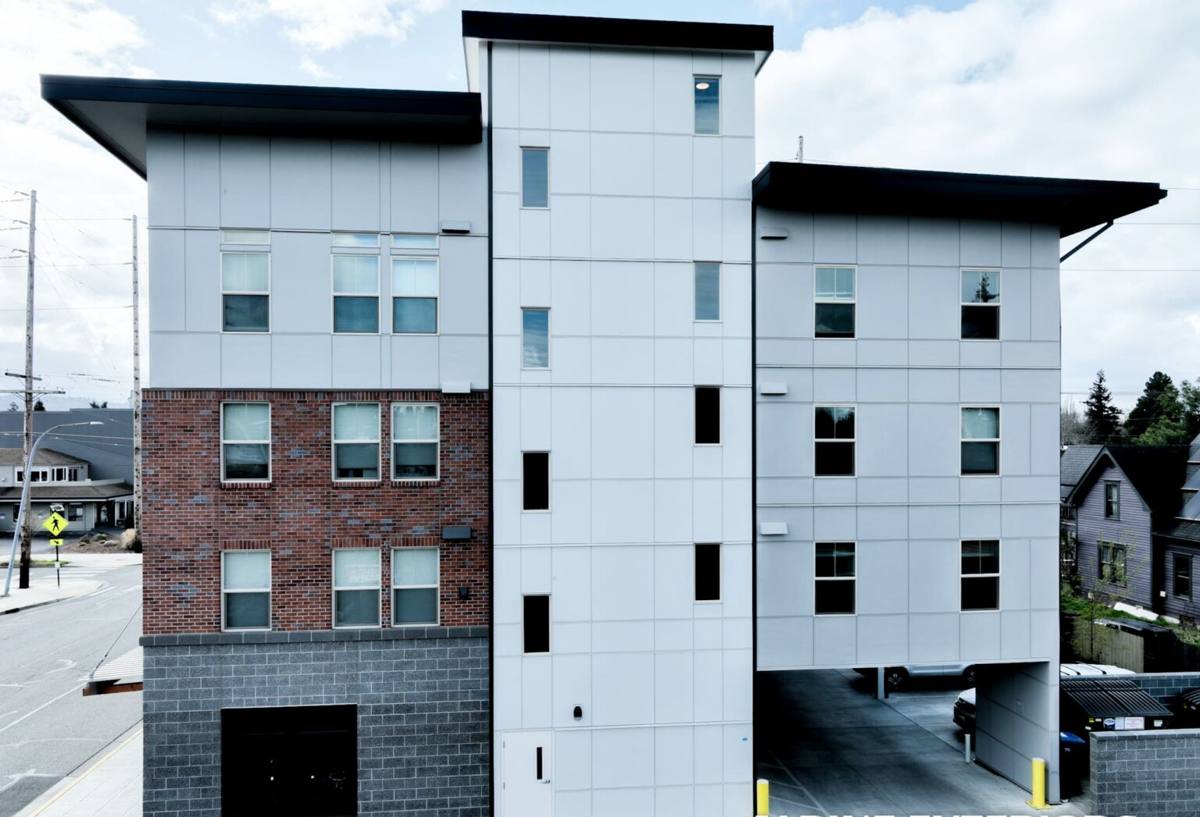
What "Custom" Actually Means for a Sedro-Woolley Home
A lot of homeowners hear "custom windows" and think it's a marketing term for expensive. In practice, it means the window is built to fit the actual opening in your house — not the nearest standard size with shims and foam filling the gap. Sedro-Woolley has a real mix of housing stock: older farmhouses and craftsman-era homes near downtown, mid-century ranch homes, and newer construction out toward the edges of town. Each has its own quirks.
Common Openings We Run Into Locally
Older homes in and around Sedro-Woolley often have window openings that settled or shifted slightly over decades, or were built to dimensions that predate today's standard sizing. Farmhouses may have tall, narrow openings original to the build. Homes that have had prior remodels sometimes have openings that were never quite squared up when a previous window was swapped in. In all of these cases, forcing a stock-size replacement window into a non-standard opening usually means extra trim work to hide gaps — and gaps are exactly where water and drafts get in.
Custom sizing solves that at the source. The window is measured and built to match the opening, so the installation can be sealed properly rather than patched around.
Frame Materials: What Holds Up Here and What Doesn't
Material choice matters more in a wet climate than a dry one. Some materials tolerate constant moisture cycling well; others need more attention to stay sealed and looking good.
| Frame Material | How It Handles Skagit County Weather | Maintenance Burden |
|---|---|---|
| Vinyl | Doesn't rot or corrode from salt air; handles moisture well; can expand/contract with temperature swings if poorly installed | Low — occasional cleaning |
| Fiberglass | Very stable in wet, temperature-variable climates; strong resistance to warping | Low |
| Wood-clad | Good insulation and appearance, but the cladding seams are a point where moisture can get behind the wood if not detailed carefully | Moderate — needs inspection over time |
| Aluminum | Conducts cold and can condensate heavily in our damp winters unless thermally broken | Moderate to high |
We lean toward vinyl and fiberglass for most Sedro-Woolley installs because they don't give moss, algae, or salt-driven corrosion much to work with. Wood-clad windows can still be the right call for homes where the look matters — we just make sure the flashing and cladding details are done with this climate in mind, not the manufacturer's generic install sheet.
What a Correct Installation Actually Involves
The window itself is only part of the job. Most window failures we get called out to inspect in Skagit County aren't the glass or the frame — they're the installation. Water finds the weak point, and if that point is behind the trim, you won't see the damage until it's already rotted the framing.
The Details That Matter Most
- Proper flashing at the sill and head, lapped correctly so water sheds outward and down, never inward
- A continuous weather-resistive barrier tied into the house wrap, not just caulked over gaps
- Correct shimming so the window isn't racked, which stresses seals and hardware over time
- Sill pans on openings where water could pool, especially on west- and south-facing walls that catch the worst of the driving rain
- Interior and exterior sealant appropriate for the substrate — not a single bead of caulk expected to do all the work
Skip any one of these and the window can look fine for a year or two before you start seeing soft trim, peeling paint, or a musty smell near the frame. In our experience, that's the single biggest difference between a window that lasts fifteen years and one that lasts thirty-five.
Our Process for a Sedro-Woolley Window Job
- On-site assessment. We look at the existing openings, check for rot or water damage already present, and talk through what you actually want out of the windows — energy performance, noise reduction, easier cleaning, or just replacing something failing.
- Precise measurement. Every opening gets measured individually. In older Sedro-Woolley homes, it's common for openings that look identical from across the room to be off by a quarter inch or more.
- Material and style selection. We walk through frame material, glass packages, and grid or trim options based on your home's style and your budget, being upfront about trade-offs rather than upselling.
- Ordering and lead time. Custom windows take longer to arrive than stock units. We give you a realistic timeline up front so there are no surprises.
- Removal and installation. Old windows come out, the opening gets inspected for hidden damage before the new unit goes in, and flashing and sealing are done to hold up against our rain, not just pass a quick visual check.
- Final inspection and cleanup. We check operation, seals, and finish work, and clean up the site before we consider the job done.
Signs Your Current Windows Are Due for Replacement
Not every window with a problem needs full replacement, but in this climate, small issues tend to compound. Watch for these signs:
- Fogging or moisture between panes of double-pane glass — the seal has failed and can't be repaired
- Soft or discolored wood trim around the frame, especially on walls facing prevailing wind and rain
- Visible moss or persistent green film building up in the sill tracks or corners
- Windows that are difficult to open, close, or lock, or that no longer sit flush
- Noticeable draft near the frame even when the window is fully closed
- A jump in heating costs without another clear explanation
If you're seeing more than one of these, it's usually more cost-effective to replace than to keep patching.
What Drives the Cost of a Custom Window Project
We won't quote a number without seeing the house, but there are a handful of factors that consistently move the price up or down, and it's worth understanding them before you start getting estimates.
| Factor | Why It Matters |
|---|---|
| Number of openings and their size | More and larger windows mean more material and labor, straightforwardly |
| Non-standard opening sizes | True custom sizing costs more per unit than stock sizes, but avoids costly trim workarounds |
| Frame material | Vinyl tends to be the most budget-friendly; fiberglass and wood-clad run higher |
| Existing damage | Rot found behind old trim or framing during removal adds repair work before the new window can go in |
| Access and site conditions | Second-story or hard-to-reach openings take more time and equipment |
| Glass and performance upgrades | Options like low-E coatings or upgraded gas fills add cost but can pay back in comfort and energy bills |
Generally, homeowners in this area should expect a wide range depending on how many windows are involved and what condition the openings are in — anywhere from a modest per-window cost for a straightforward vinyl swap to significantly more for larger custom units or jobs that turn up hidden rot. We'll always tell you plainly if we find something during removal that changes the scope.
Why It Matters That We Already Work in Sedro-Woolley
A crew that only shows up for one job doesn't know how this town's housing stock behaves in the rain. We've seen how the older homes near the historic core tend to have settled openings, how homes on the valley floor deal with more standing moisture than those on higher ground, and which orientations take the worst of the wind-driven rain that comes through the Skagit Valley. That kind of familiarity means fewer surprises during installation and a better read on what a given home actually needs, rather than a one-size-fits-all recommendation.
It also means we're not disappearing after the invoice clears. If a seal ever looks off or you notice something during the first wet season after install, you're calling a crew that's still working in the area, not chasing down an out-of-town installer.
Maintenance That Keeps Custom Windows Performing Long-Term
Even a well-installed window benefits from basic upkeep in this climate. Clear debris and moss from sill tracks a couple of times a year, especially after fall leaf drop. Check exterior caulking annually for cracking, since UV and constant wet-dry cycling break down sealants faster here than in drier regions. If you're near enough to catch salt-tinged air, a periodic rinse of frames and hardware helps prevent buildup that can accelerate wear on hinges and locks. None of this is heavy maintenance — it's the kind of thing that takes an afternoon and adds years to the life of the windows.
If your windows are fogging, drafty, hard to operate, or just original to a home that's due for an upgrade, we're glad to come take a look. Reach out for a free, no-pressure estimate — we'll walk the openings with you, tell you honestly what we find, and give you options that fit your home and your budget.