 Skagit County
 Siding Installation Built for Clear Lake's Climate
Clear Lake sits inland from the saltwater shoreline that defines much of Skagit County, but the same marine-influenced weather pattern reaches it just the same. Homes here sit close to water and under a lot of tree cover, which means more shade, more standing moisture on siding after a storm, and a moss season that runs longer than most homeowners expect. Add in the driving rain that comes sideways off winter storms, and you have a climate that is genuinely hard on exterior materials — not because any one storm is extreme, but because the exposure is constant, month after month, year after year.
Siding installation in a setting like this isn't just about picking a product and nailing it up. It's about understanding how water moves across a wall, where moss and mildew take hold first, and which installation details separate a wall system that holds up for decades from one that starts failing at the seams within a few years. That's the lens we bring to every Clear Lake project.
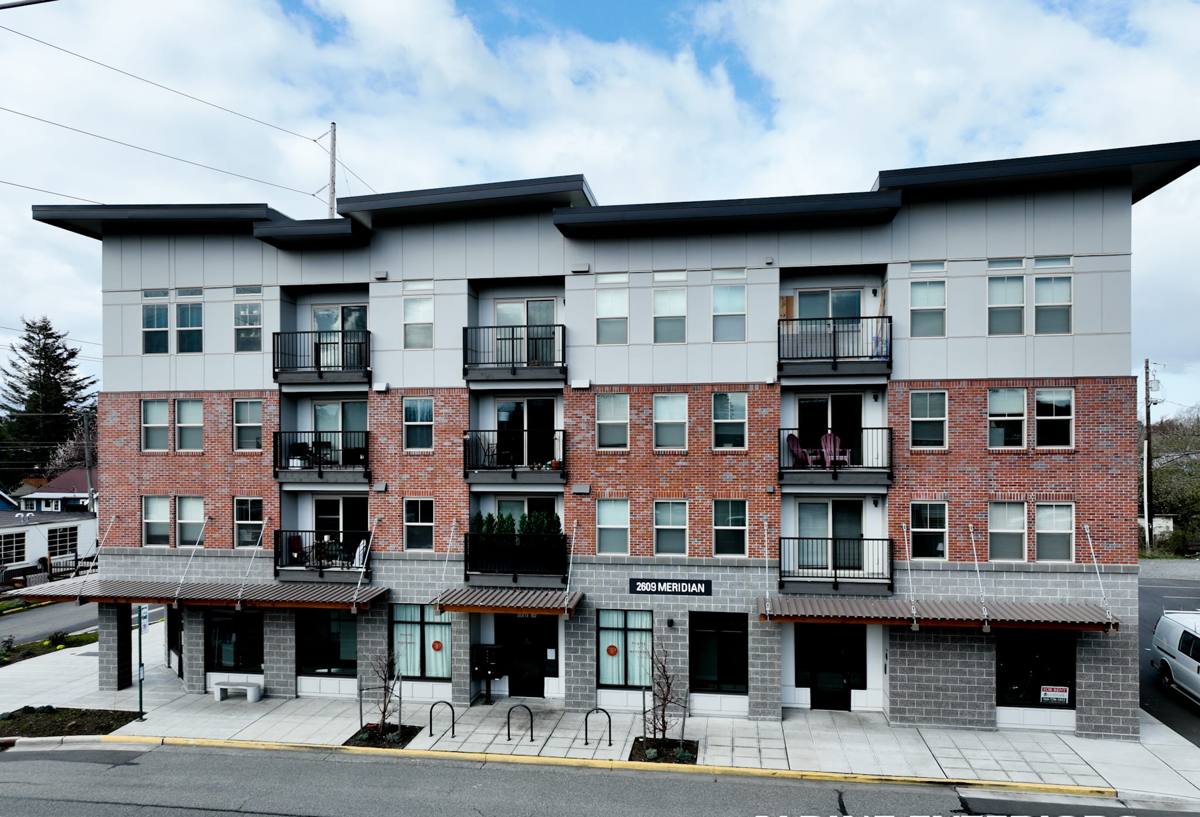
What Clear Lake Homes Need From Their Siding
Moisture Management First
The single biggest threat to siding in this part of Skagit County isn't any one storm — it's chronic dampness. Wooded lots and lake proximity keep humidity elevated and slow down drying time after rain. Siding that traps moisture behind it, or that absorbs water into the material itself, will eventually rot, warp, or delaminate no matter how well it was painted. The right siding material has to resist water intake at the surface, and the installation behind it has to let any moisture that does get in escape rather than sit trapped against the sheathing.
Moss and Organic Growth Resistance
Shaded lots near water are prime conditions for moss, algae, and mildew to colonize a wall surface. Some siding materials give organic growth something to grab onto — a porous surface, exposed wood grain, or seams that hold debris. A siding system with a hard, factory-cured finish gives moss far less to take hold of, and what does grow on the surface washes off far more easily than growth that's worked its way into the material itself.
Durability Under Constant Wet-Dry Cycling
Skagit County doesn't get extreme heat, but it does get repeated cycles of soaking rain followed by drying, sometimes within the same week. Materials that swell when wet and shrink when dry are working against themselves every single cycle — that's how paint fails, seams open up, and boards cup or bow over time. Siding that stays dimensionally stable through those cycles simply lasts longer with less maintenance.
Why We Only Install James Hardie Fiber Cement
We've made a deliberate decision not to install vinyl, LP SmartSide, primed spruce, cedar, or other fiber cement brands. That's not a marketing position — it's a standard we hold because of what we've seen these products do, and not do, in exactly the kind of climate Clear Lake sits in.
Wood-based products, even engineered ones with treated strand board cores, are still organic material at their core. Once moisture works past a compromised seam, cut edge, or fastener hole, that core can swell and break down — and in a shaded, damp environment like Clear Lake, that moisture exposure isn't an occasional risk, it's a routine one. Vinyl handles moisture fine on its own, but it moves with temperature swings, can crack in cold snaps, and gives moss and algae plenty of seams and laps to colonize; it also doesn't hold up well against the sun exposure some Clear Lake lots do get on southern-facing walls, fading and warping over time.
James Hardie fiber cement is cement, sand, and cellulose fiber — it doesn't rot, it isn't a food source for moss or mildew, and it doesn't expand and contract with moisture the way wood-based products do. The ColorPlus factory finish is baked on under controlled conditions, which gives it far better resistance to fading and chalking than field-applied paint, and it holds up to the region's algae and moss pressure noticeably better than a painted wood surface. Hardie's HZ5 product line is engineered specifically for climates with significant moisture exposure — which describes Skagit County well. It's also backed by a strong, transferable manufacturer warranty, which matters on a product you're expecting to last the life of the home.
None of this means other products are junk — vinyl and engineered wood have legitimate uses and loyal installers. We simply won't put our name behind an install we don't believe will hold up here, and after years of watching how different materials perform in this exact climate, fiber cement is what we stand behind.
Our Installation Process
A siding job is only as good as what's underneath it. Here's how we approach a Clear Lake installation from start to finish:
- Site assessment. We walk the exterior, check for existing moisture damage, rot, or failed flashing, and note shaded or low-drying areas that need extra attention.
- Tear-off and substrate inspection. We remove the old siding and inspect the sheathing and framing underneath for hidden water damage before anything new goes up — this step catches problems a lot of jobs skip.
- Weather-resistive barrier and flashing. A correctly lapped house wrap and properly flashed windows, doors, and penetrations are what actually keep water out over the long run, regardless of what siding sits on top.
- Rainscreen or drainage plane where appropriate. Giving incidental moisture a path to drain and dry behind the siding matters more in a climate like this than in drier regions.
- Hardie installation to manufacturer spec. Correct fastener pattern and placement, proper gapping and caulking, and factory-mitered or properly sealed corners — installed exactly to James Hardie's published specifications, which is what keeps the warranty valid.
- Final inspection and cleanup. We walk the finished job with the homeowner before calling it done.
Signs Your Current Siding Is Already Failing
Before jumping straight to replacement, it's worth knowing what to look for. If you're seeing any of the following on a Clear Lake home, it's worth having someone take a closer look:
- Soft or spongy spots when you press on the siding, especially near the bottom of walls or below windows
- Persistent moss or algae staining that comes back within weeks of cleaning
- Paint that's peeling, bubbling, or chalking heavily in shaded areas
- Visible gaps, warping, or cupping in individual boards or panels
- Dark streaking or staining that suggests water is running behind the siding, not just over it
- Interior signs like musty odors or discoloration on walls that back up to exterior siding
Catching these early sometimes means a repair is enough. Left alone, they usually mean the sheathing underneath is already compromised — which turns a siding job into a structural repair job.
Cost Factors for a Clear Lake Siding Project
Every home is different, so we don't quote pricing without seeing the property, but the factors below are what actually move the number up or down on a typical project in this area.
| Factor | Why It Matters |
|---|---|
| Extent of substrate damage | Rotted sheathing or framing found during tear-off has to be repaired before new siding goes on — this is the most common source of scope changes on older homes |
| Home size and wall complexity | More corners, dormers, and roof intersections mean more cutting, flashing, and labor time |
| Siding profile and accessories | Lap width, trim details, and accent features like board-and-batten sections all affect material and labor cost |
| Access and lot conditions | Wooded, sloped, or lake-adjacent lots can require more setup, staging, and care around landscaping |
| Existing moisture barrier condition | Whether the house wrap and flashing need full replacement or can be partially reused |
| Paint vs. ColorPlus factory finish | Factory-finished panels cost more upfront but remove the need for field painting and hold color longer |
Why Local Experience in Clear Lake Specifically Matters
A siding crew that mostly works drier inland areas doesn't always carry the same instincts about drainage planes, flashing details, and moss-prone shade patterns that a crew working Skagit County day in and day out develops. We know which orientations on a Clear Lake lot tend to stay damp longest, which older homes in the area were built with siding practices that don't hold up to today's understanding of moisture management, and how to sequence a job around this region's rain patterns so the substrate isn't left exposed longer than it needs to be.
That local pattern recognition doesn't replace doing the installation correctly — it's what tells us where to pay extra attention on a given house before problems ever show up.
Caring for Hardie Siding After Installation
One advantage of switching to fiber cement is how little upkeep it demands compared to painted wood siding. It still benefits from a rinse-down once or twice a year to keep moss and pollen from building up, especially on shaded, north-facing walls. Keep an eye on caulking at trim joints and penetrations over the years, and address any impact damage — from a stray branch or debris — promptly, since exposed edges are the one place moisture can get a foothold. Beyond that, there's no repainting cycle to plan around, which is a real difference on a property with this much shade and moisture exposure.
Get an Estimate for Your Clear Lake Home
If your siding is showing wear, or you're planning ahead for a replacement, we're happy to take a look and give you a straight assessment — no pressure, no inflated quote to negotiate down from. Fill out the form below to schedule a free estimate for your Clear Lake property.