 Skagit County
 James Hardie Siding for Skyline Homes in Skagit County
Skyline sits in a part of Skagit County where the weather doesn't take a season off. Salt-laden air drifts in off the water, driving rain hits siding sideways for months at a stretch, and the shaded, damp stretches of the year keep moss and algae looking for a foothold on anything that holds moisture. Siding here isn't just a cosmetic choice — it's the first line of defense for the structure underneath it. We install James Hardie fiber cement siding exclusively, and this page walks through what that looks like specifically for homes in and around Skyline.
This isn't a general overview of James Hardie products. It's a look at what this climate does to siding over time, what a correct installation has to account for, and why a crew that already works this area brings something a traveling install team can't.
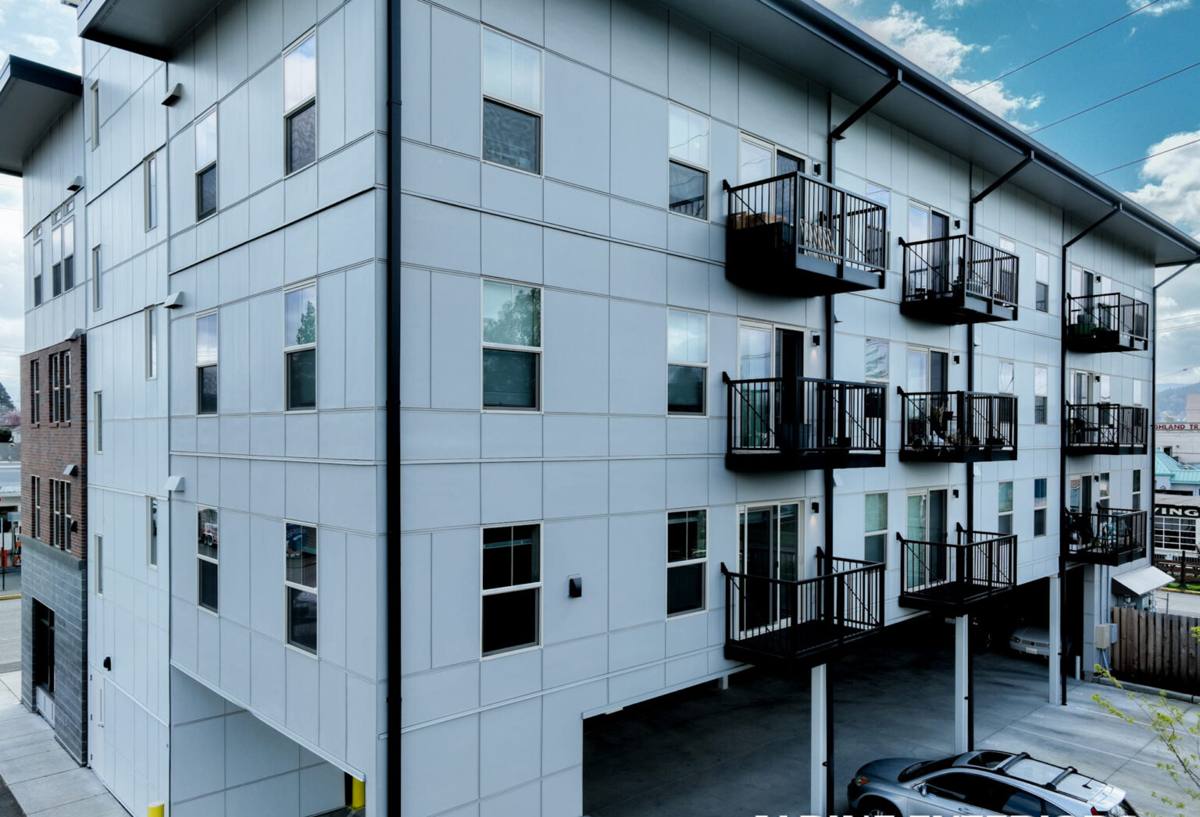
What Skagit County's Climate Does to Siding
Salt Air
Proximity to Puget Sound and the surrounding waterways means airborne salt is a constant, low-grade stressor on exterior materials. Salt accelerates corrosion of fasteners and metal trim, and it can degrade certain paints and coatings faster than manufacturers' inland warranty testing accounts for. Fiber cement itself doesn't corrode, but the fasteners, flashing, and trim details around it absolutely can if the wrong hardware goes into the wall.
Driving Rain
Skagit County gets a lot of rain, and a meaningful share of it doesn't fall straight down — wind-driven rain pushes water sideways into every gap, seam, and butt joint on a wall. Siding systems that rely on caulk alone to keep water out tend to fail here faster than they would in a drier, calmer climate. Water management behind the cladding matters as much as the cladding itself.
Moss and Algae Season
Shaded elevations, tree cover, and long stretches of damp weather give moss and algae plenty of time to establish themselves on north- and east-facing walls in particular. Siding that stays damp longer — because of poor drainage, tight clearances, or the wrong finish — grows moss faster and holds it longer, which accelerates surface wear and makes a home look neglected even when the structure underneath is fine.
Why James Hardie Fits This Climate
We install James Hardie exclusively, and the fit with Skagit County's weather is a big part of why. Fiber cement is non-combustible, dimensionally stable in wet-dry cycling, and doesn't feed moss and mildew the way wood-based products can. James Hardie's ColorPlus factory finish is baked on in a controlled environment rather than field-applied, which gives it better adhesion and color retention against salt air and UV exposure than a job-site paint job typically achieves.
James Hardie also engineers its product lines by climate zone (HZ5 for the Pacific Northwest's wetter, cooler conditions), which affects the formulation for moisture resistance. That's a meaningful difference from siding products designed as one-size-fits-all across the country.
| Climate Stressor in Skyline / Skagit County | What It Does to Siding | How Correct Hardie Installation Addresses It |
|---|---|---|
| Salt air | Corrodes fasteners and trim, degrades weak coatings | Stainless or coated corrosion-resistant fasteners, factory-baked ColorPlus finish |
| Wind-driven rain | Pushes water into seams and butt joints | Proper rainscreen/drainage gap, correct flashing and house wrap integration |
| Extended damp/shade | Moss and algae growth, prolonged moisture contact | Correct clearances off grade and hardscape, ventilated cladding gap |
| Freeze-thaw swings | Stresses joints and caulked seams | Engineered expansion gaps, quality sealant at movement joints |
What a Correct Installation Actually Involves
James Hardie siding performs the way it's engineered to only when it goes on correctly. In a climate like this, the details that get skipped on a rushed job are exactly the ones that cause callbacks two or three winters later.
- Weather-resistant barrier installed and lapped correctly before any siding goes up
- Flashing at every window, door, and horizontal transition, integrated with the water-resistive barrier — not just caulked over
- A drainage gap behind the siding so bulk water and incidental moisture can escape instead of sitting against the wall
- Correct fastener type, spacing, and penetration depth per James Hardie's published installation instructions
- Proper clearance between siding and grade, decks, patios, and roof lines to keep the bottom edge from sitting in standing moisture
- Factory-cut and field-cut edges sealed or primed per manufacturer spec so raw edges aren't left exposed to weather
- Caulking used at true movement joints only — not as a substitute for proper flashing and lapping
Skip any one of these and the siding can still look fine for a year or two before problems show up — trapped moisture, premature paint failure, or rot in the sheathing behind it. That lag is exactly why installation quality matters more than most homeowners realize when they're comparing bids.
Signs Your Current Siding Is Losing the Fight
Homes in Skyline that are due for a siding conversation often show a few common signs before things get serious:
- Persistent moss or dark streaking on shaded walls that comes back soon after cleaning
- Soft or discolored spots near the bottom courses, around window sills, or below roof-to-wall intersections
- Visible gaps, warping, or separation at butt joints and corners
- Paint that's peeling, bubbling, or chalking faster than it should for its age
- Fastener heads showing rust stains bleeding down the face of the siding
None of these mean a home needs full replacement automatically, but they're worth a professional look before they turn into sheathing or framing repairs.
Our Process for Skyline Homes
1. On-Site Assessment
We walk the exterior, check the condition of the existing siding and water-resistive barrier where accessible, and look specifically at the elevations most exposed to driving rain and shaded moss growth. We're not guessing at what this climate does to a wall — we see it on houses in this area regularly.
2. Product and Color Selection
We go over James Hardie's plank, panel, and shingle profile options along with the ColorPlus palette, and talk through what holds up best on the specific elevations of your home given sun exposure and shade patterns.
3. Prep and Water Management
Before a single course of siding goes up, we address the water-resistive barrier, flashing details, and drainage gap. This is the stage that determines how the siding performs in year eight, not just year one.
4. Installation to Manufacturer Spec
Fastening, spacing, clearances, and sealed edges all follow James Hardie's published requirements — which is also what keeps the manufacturer's transferable warranty intact.
5. Final Walkthrough
We go over the finished work with you, including care and maintenance specific to this climate — things like keeping shaded areas clear of debris that traps moisture.
Cost Factors for a Skyline James Hardie Project
Every home is different, but the main variables that move a James Hardie project's cost in this area are consistent:
| Factor | Why It Matters Here |
|---|---|
| Home size and elevation complexity | More corners, dormers, and rooflines mean more flashing and cut work |
| Existing wall condition | Moisture-damaged sheathing found during tear-off adds repair scope |
| Siding profile and finish | Lap, shingle, and panel profiles vary in material and labor cost |
| Access and site conditions | Slopes, tree cover, and setbacks common in this area affect staging and scaffolding |
| Trim and detail work | Corner boards, window casings, and fascia detail add finish-carpentry time |
We give honest, specific numbers after seeing the actual house — broad online estimates rarely reflect what a given wall actually needs, especially once existing damage is factored in.
Why a Local Crew Matters for This Job
A crew that already works Skyline and the surrounding Skagit County area isn't guessing about how this climate behaves — we've seen which elevations take the worst of the driving rain, which shaded walls fight moss year-round, and what happens to siding installed without proper drainage detailing once a few wet seasons go by. That local pattern recognition shows up in small decisions during installation — where extra attention to flashing matters, which clearances need to be generous rather than minimum-code — that a crew unfamiliar with the area might not think twice about.
It also means we're not far away if a warranty question or a storm-related concern comes up after the job is done.
Get a Free, No-Pressure Estimate
If your Skyline home's siding is showing its age, or you're planning ahead for a project, we're happy to take a look and give you a straight answer about what it needs. Use the form below to request a free estimate — no pressure, no obligation.