 Skagit County
 Storm Damage Roof Repair for Big Lake Homes
When a windstorm rolls through Skagit County, Big Lake homes take it on the chin in a particular way. The lake sits in a low-lying corridor between higher ground, which means wind can funnel and gust harder than the forecast suggests, and heavy rain has nowhere to go but down onto roofs that are already carrying moisture from the last storm. If you've just had a bad blow come through and you're looking at missing shingles, a leak in the ceiling, or debris that came down on the roof, the goal is simple: figure out exactly what's damaged, protect the house from further water intrusion, and fix it correctly the first time.
Storm damage repair is different from routine roof maintenance. It's time-sensitive, it often involves insurance, and a rushed or incomplete repair can leave hidden problems that show up as rot or interior damage months later. This page covers what Big Lake homeowners should know about storm repair specifically — not general roofing advice, but what applies to this lake community's conditions and the way storms actually damage roofs here.
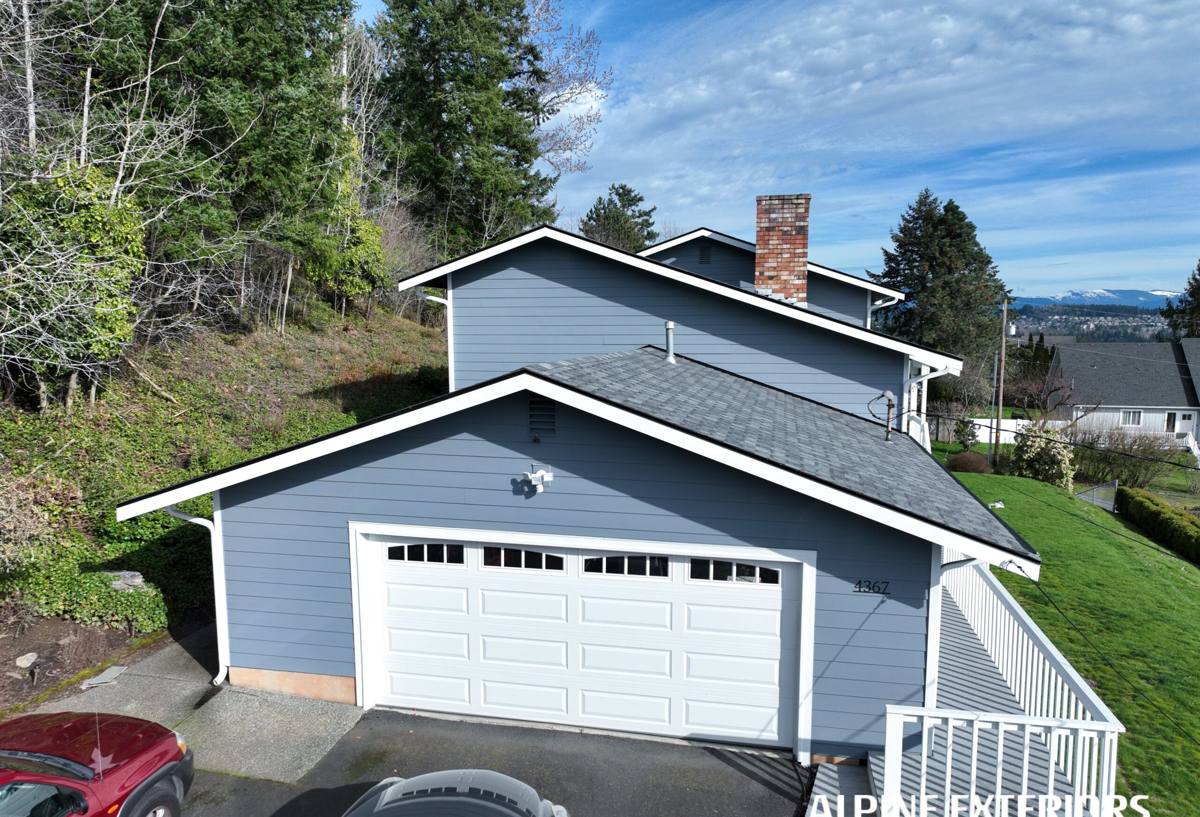
What Skagit County's Climate Does to a Big Lake Roof
Western Washington's marine climate is mild compared to a lot of the country, but it's relentless. Big Lake doesn't get hurricanes, but it gets long stretches of wind-driven rain, and that combination — sustained moisture plus gusts — is what actually tears roofs apart over time and turns a manageable storm event into real damage.
Wind-Driven Rain
Rain that comes in sideways during a windstorm doesn't behave like rain falling straight down. It gets pushed up under shingle edges, into exposed nail heads, and along ridge lines and valleys where flashing is doing the real work. A roof that's watertight in a normal rain can still leak in a wind event if flashing, sealant, or shingle lap is even slightly compromised.
Moss and Moisture Retention
Skagit County's long wet season means moss has months to establish itself on north-facing slopes and shaded sections of roof, which are common around Big Lake's tree-lined lots. Moss holds water against the shingle surface, keeps that section of roof from drying out between storms, and lifts shingle edges as it grows — which is exactly where wind gets underneath and does damage during the next storm. A roof with heavy moss going into a windstorm is more vulnerable than a clean one, plain and simple.
Salt-Influenced Marine Air
Skagit County sits close enough to Puget Sound and Skagit Bay that the marine air carries salt further inland than people expect, even at lake communities set back from open water. Salt-laden moisture accelerates corrosion on exposed metal — flashing, fasteners, gutter hardware — which is one more reason storm-damaged metal components often need more than a quick patch.
Common Types of Storm Damage We See
- Wind-lifted or torn-off shingles — usually starts at an edge, ridge, or a spot where sealant had already weakened, then peels from there.
- Flashing separation — around chimneys, skylights, and roof-to-wall intersections, where wind and repeated wet-dry cycles work fasteners loose over time.
- Debris impact — branches and limbs coming down off mature trees common around Big Lake's wooded lots, which can puncture shingles or crack sheathing.
- Granule loss and bruising — less dramatic than a hole, but it strips the shingle's UV and weather protection and shortens its remaining life.
- Gutter and fascia damage — wind can pull gutters loose or bend them, which then lets water run down the fascia and siding instead of away from the house.
- Hidden leaks — water that enters at a wind-damaged spot doesn't always show up directly below it; it can travel along the underlayment or framing before it appears as a ceiling stain.
What a Correct Storm Repair Actually Involves
Not every storm-damaged roof needs the same fix, and the right call depends on how much of the roof is affected, the age and condition of the existing roofing, and whether the underlayment or decking was compromised. Here's how we think through it:
| Damage Scope | Typical Repair | When It's the Right Call |
|---|---|---|
| Isolated shingles, small area | Spot patch — matching shingles installed, flashing resealed | Roof is otherwise sound, damage is limited to a small section, remaining shingles are in good shape |
| One slope or section | Section re-roof — tear off and replace the affected plane | Damage is concentrated on one side (common with directional wind events) and the rest of the roof is healthy |
| Widespread or aged roof | Full replacement | Storm damage is spread across the roof, or the roof was already near end of life and the storm was the tipping point |
| Wet or damaged decking | Sheathing repair or replacement before re-roofing | Water has been sitting long enough to soften plywood or OSB underneath — this gets found during tear-off, not from the ground |
The mistake we see most often with storm repairs — from any contractor, not just around Big Lake — is treating the visible damage as the whole problem. A missing shingle patch that ignores softened decking underneath, or new shingles laid over flashing that never got properly resealed, will fail again in the next storm. A correct repair means checking what's under and around the visible damage, not just replacing what you can see from the ground.
Our Storm Repair Process
- Immediate assessment. We get eyes on the roof — from the ground and, when it's safe, up close — to identify the full extent of damage, not just the obvious spot.
- Emergency protection. If there's an active leak or exposed decking, we tarp or board it to stop further water intrusion before anything else happens. This step protects your home while the rest of the process plays out.
- Documentation. We photograph and note the damage clearly, which matters if you're filing an insurance claim — clear documentation from the start avoids disputes later about what was storm-caused versus pre-existing wear.
- Written scope and estimate. You get a clear explanation of what's damaged, what needs to happen, and why — no vague line items.
- Repair. Matching materials where possible, correct flashing and underlayment work where needed, and attention to the areas that caused the damage in the first place (moss buildup, worn sealant, aging shingles nearby).
- Cleanup and final check. Debris removed, gutters checked, and a final look to confirm the repair is sound before we call it done.
Working With Your Insurance
Most homeowners insurance covers sudden storm damage — wind, falling limbs, that kind of event — but coverage for damage that was really years of gradual wear (a moss-compromised roof that finally gave way) can be more complicated. That's part of why documentation matters from the first visit: it helps establish what happened and when. We're glad to provide a written estimate and photos you can hand to your adjuster, but we work for you, not the insurance company, and we'll tell you honestly what we think the damage is and how it happened.
Why a Crew That Already Works Big Lake Matters
Storm repair isn't the place for guesswork, and local familiarity actually changes the outcome in a few concrete ways:
- Faster response. Being based in Skagit County means we're not driving in from Seattle or Everett after a regional storm event when everyone's calling at once.
- Matching materials. We know what roofing products and colors are common on homes in this area, which matters for a repair that should blend in rather than stand out.
- Understanding the failure pattern. A crew that's repaired storm damage around Big Lake and the broader county has seen how moss buildup, tree cover, and wind direction interact on local roofs — that context speeds up diagnosis instead of starting from zero on every job.
- Accountability. We're not a storm-chasing outfit that shows up after a big weather event and disappears. We're here for the next one too.
What to Do Right After a Storm
If you've just been through a windstorm and you're not sure how bad the damage is, here's a practical checklist before you call anyone:
- Look for shingles or debris in the yard — that's often the first visible sign something came off the roof.
- Check the attic or top-floor ceilings for new water stains, even faint ones.
- Note any active dripping and place a container or towel to limit interior damage.
- Photograph anything you can see from the ground — don't climb up yourself.
- Avoid walking on the roof, especially if it's wet or you're not experienced doing it — storm-damaged roofing can be unstable underfoot.
- Call for an inspection sooner rather than later — small storm damage left exposed to the next rain gets worse fast.
Get an Honest Look at Your Roof
If a recent storm has left your Big Lake home with missing shingles, a leak, or you just want a roof checked out after a bad wind event, we're happy to come take a look. The estimate is free, there's no pressure, and you'll get a straight answer about what's actually going on with your roof — not just an upsell. Fill out the form below and we'll get back to you.