 Skagit County
 Windows in Cedardale Face a Different Set of Problems
Cedardale sits close enough to Puget Sound and the Skagit River delta that homes here take on a steady mix of salt-laden air, wind-driven rain, and long stretches of damp, shaded weather that keeps moss and algae going most of the year. That combination is hard on windows in ways that don't show up right away. A window that looks fine from the curb can be losing its seal, letting moisture into the wall cavity, or slowly corroding hardware you never see until a sash won't latch or a sill feels soft underfoot.
We install windows across Skagit County, but Cedardale's mix of older farmhouses, mid-century ranches, and newer infill construction means no two jobs look the same. What stays constant is the climate: if a window isn't installed with the right flashing, sealants, and drainage path for this environment, it will fail here faster than it would somewhere drier and calmer.
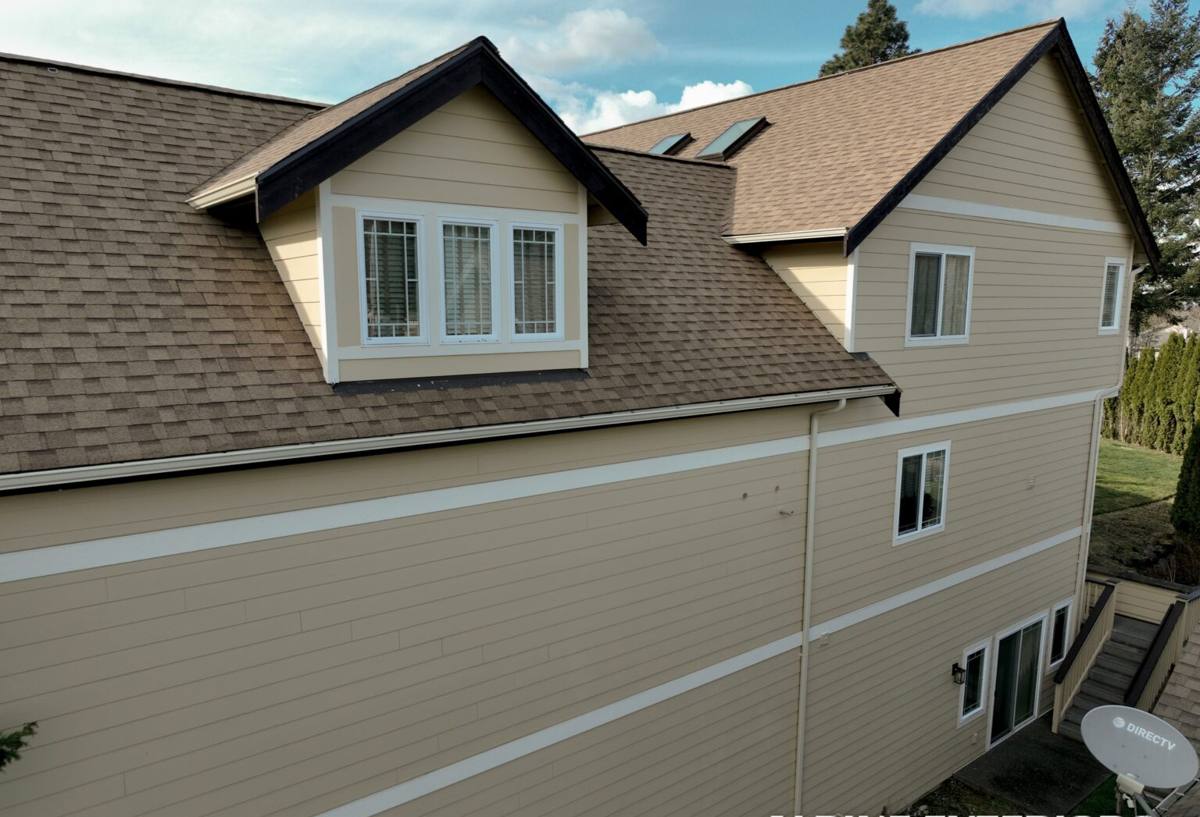
What Driving Rain and Salt Air Actually Do to a Window
Wind-driven rain finds every gap
Storms coming off the Sound don't just drop rain straight down — they push it sideways into the wall. A window opening that relies on caulk alone, with no proper flashing behind the trim, will eventually let water track in around the frame. That water doesn't always show up as a visible leak; more often it shows up years later as soft framing, peeling interior paint near the sill, or a musty smell that never quite goes away.
Salt air accelerates corrosion
Homes within a few miles of tidal water deal with airborne salt that settles on hardware, screens, and exposed fasteners. Cheaper window hardware — hinges, cranks, locks — corrodes noticeably faster in this kind of air than it would inland. Aluminum-clad and vinyl frames handle salt exposure better than bare steel components, and the fastener choice matters more here than it would in a drier county.
Moss season adds sustained moisture load
Skagit County's moss season isn't a week or two — it's a good chunk of the year where anything horizontal or shaded stays damp. That constant low-grade moisture works its way into any gap in the building envelope over time. Around windows specifically, it means sill pans and weep paths need to actually drain, not just look like they do.
What a Correct Window Installation Involves Here
A window installation in this climate is really a water-management job with a window in the middle of it. The window itself matters, but the flashing, sill pan, and sealant sequencing around it matter just as much — arguably more, since that's what determines whether water gets into the wall or gets shed back outside.
- Remove the old window and inspect the rough opening for rot, soft framing, or prior water staining before anything new goes in
- Install a sloped sill pan so any water that gets past the sash has somewhere to drain, rather than sitting on the sill
- Apply flashing tape in the correct shingle-lap sequence — sill first, then jambs, then head — so water is always directed outward and down, never trapped behind a layer
- Set the window level, plumb, and square, then shim and fasten per the manufacturer's specified pattern
- Insulate the gap between the frame and rough opening with low-expansion foam or backer rod, not just caulk alone
- Seal the exterior perimeter with a sealant rated for this climate, leaving the correct weep points open
- Finish interior trim and confirm the sash operates smoothly and locks fully
Skip the sill pan or rush the flashing lap sequence, and the window can look perfect for two or three years before a homeowner starts seeing problems that trace straight back to installation day, not the product itself.
Choosing the Right Window for a Cedardale Home
Frame material trade-offs
| Frame Type | How It Handles This Climate | Maintenance |
|---|---|---|
| Vinyl | Won't corrode from salt air; handles moisture well; can expand/contract with temperature swings | Low — occasional cleaning |
| Fiberglass | Very stable in wet/humid conditions; strong resistance to warping | Low |
| Aluminum-clad wood | Good exterior weather resistance from the cladding; wood interior still needs protection from any interior moisture | Moderate |
| Bare wood | Classic look, but needs consistent upkeep to handle sustained damp seasons and salt exposure | High — regular painting/sealing |
Glass and hardware considerations
Double-pane, low-E glass is the practical baseline for this area — it cuts down on heat loss during the cold, wet stretches of the year and reduces condensation on the interior glass surface, which is a common complaint in homes with older single-pane windows. For hardware, we favor corrosion-resistant finishes and stainless or coated fasteners on anything near the coast side of the county, since standard-grade hardware visibly pits and seizes faster here than it would forty miles inland.
Signs a Cedardale Home Needs New Windows Now
- Visible gaps, drafts, or daylight around the sash when the window is closed
- Fogging or moisture trapped between panes — a sign the seal has failed
- Soft or discolored trim, sill, or wall area below the window
- Windows that are difficult to open, close, or lock
- A noticeable jump in heating costs with no other explanation
- Visible corrosion on hardware, cranks, or hinges
- Musty smell near window openings, especially after a stretch of wet weather
Any one of these on its own isn't necessarily an emergency, but a few of them together usually means the window assembly — not just the glass — has reached the end of its useful life.
Our Process for a Cedardale Window Project
1. On-site assessment
We look at each opening individually — not every window in a house is in the same condition, and a home near open water may need a different approach on the weather side than on a sheltered wall.
2. Product recommendation based on exposure
We'll walk through frame material and glass options based on which direction the window faces, how exposed it is to wind-driven rain, and your budget. We're straightforward about trade-offs — a lower-maintenance frame material may cost more up front but save you the recurring upkeep a wood frame demands in this climate.
3. Written estimate
You get a clear, itemized estimate before any work starts — no surprise add-ons once the job is underway.
4. Installation with proper flashing and sill pan work
This is where most of the long-term performance is decided. We don't shortcut the flashing sequence or skip the sill pan to save time, because that's exactly the corner that fails first in this climate.
5. Final walkthrough
We test every sash and lock, check the interior and exterior finish work, and make sure you know how to operate and maintain the new windows before we leave.
What Affects the Cost of a Window Installation
| Factor | Why It Matters |
|---|---|
| Frame material | Vinyl and fiberglass generally cost less upfront than wood or aluminum-clad wood; higher-end materials cost more but need less upkeep |
| Number of windows | Per-window cost typically drops on larger multi-window jobs due to shared labor and setup |
| Condition of the rough opening | Rot or water damage found during removal adds repair work before the new window can go in |
| Window size and type | Larger units, bay/bow configurations, and custom shapes cost more than standard double-hung or slider sizes |
| Exposure level | Windows on the weather-facing side of a home near open water may call for upgraded flashing details or hardware |
Most straightforward window replacement jobs in this area run from a few hundred to a couple thousand dollars per window installed, depending on size, material, and site conditions — we'll give you real numbers once we've seen the openings in person.
Why a Crew That Already Works Cedardale Makes a Difference
Installation technique that's fine in a dry, inland climate can be inadequate here. A crew that regularly works Skagit County knows to treat the sill pan and flashing lap sequence as non-negotiable, knows which hardware finishes actually hold up against salt air, and recognizes early signs of moss-season moisture damage in older siding and trim before it becomes a bigger repair. That local pattern recognition is the difference between a window that performs for decades and one that needs attention again in a few years.
We also know how Cedardale's housing stock varies — older farmhouse-style homes with settled, sometimes out-of-square openings need more careful shimming and custom flashing work than a newer, squarely-framed house. Treating every opening the same way, regardless of age or condition, is how installation problems get built into a house from day one.
Get a Straight Answer on Your Windows
If you're dealing with drafts, fogged glass, or windows that just don't feel right anymore, we're happy to take a look and give you an honest read on whether repair or replacement makes sense for your home. Reach out for a free, no-pressure estimate using the form below — we'll walk the property, answer your questions, and give you real numbers, not a sales pitch.