 Skagit County
 Window Installation for Hamilton Homes in Skagit County
Hamilton sits in a part of Skagit County where the weather doesn't do anything halfway. Homes here take on long stretches of driving rain, damp air that lingers for days at a time, and the kind of persistent moisture that keeps moss growing on anything that holds still long enough. Windows are one of the first places that weather finds a way in, and they're one of the last things most homeowners think about until a draft, a fogged pane, or a soft spot in the trim gives it away.
This page is about one job done right in one place: window installation for Hamilton homes, by a crew that already knows what Skagit County weather does to a house over time. We're not going to walk you through a generic national buying guide — we're going to talk about what actually matters for houses in this part of Washington.
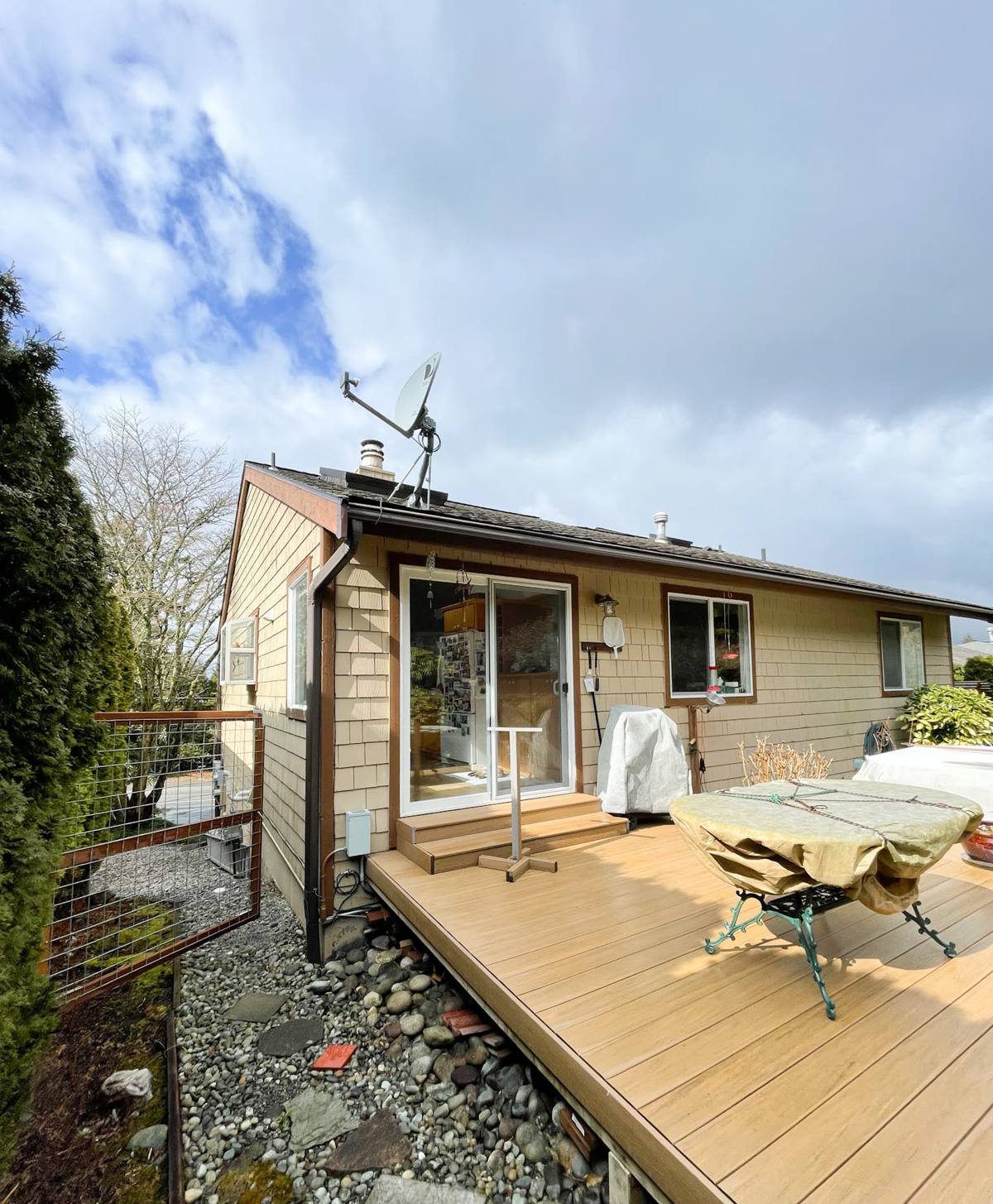
What Skagit County Weather Does to Windows Over Time
Old or poorly installed windows don't usually fail all at once. They fail gradually, in ways that are easy to miss until the damage has already spread past the window itself.
Moisture Intrusion
Repeated, driving rain finds any gap in flashing, caulking, or sill design and works it wider over months and years. In Hamilton's river-valley climate, that moisture doesn't dry out quickly between storms the way it might in a drier region — it sits in the wall cavity, softens sheathing, and eventually shows up as rot around the window frame or staining on interior sills.
Condensation and Fogged Glass
Cool, damp Skagit County air combined with indoor heating creates ideal conditions for condensation on older single-pane or failed double-pane windows. A fogged or cloudy pane between the glass layers means the seal has already failed — that's not a cleaning problem, it's a sign the insulated glass unit needs replacing.
Moss and Organic Growth
The same conditions that keep roofs and siding green in this area do the same thing to window sills, trim, and exterior casing — especially on north-facing walls that don't get much direct sun. Moss and algae hold moisture against wood and painted surfaces, which accelerates rot and paint failure around the window opening.
Wind-Driven Rain at Openings
Every window is a hole cut into the weather barrier of your house. Wind-driven rain — common during Skagit County storms — will find the weak point in that opening if it wasn't flashed and sealed correctly the first time, regardless of how good the window itself is.
Signs a Hamilton Home Needs New Windows
- Fogging, cloudiness, or visible moisture between the panes of double-pane glass
- Drafts you can feel near the frame, even with the window fully latched
- Soft, spongy, or discolored wood on the interior sill or exterior trim
- Windows that are difficult to open, close, or lock — often a sign the frame has shifted or swollen
- Visible moss, algae, or persistent black staining on the sill or casing
- Noticeably higher heating bills without another clear cause
- Condensation forming on the interior glass or frame during cold, wet stretches
Any one of these on its own might just mean a repair. Several at once, especially on an older home, usually means the windows have reached the end of their useful life.
What a Correct Window Installation Actually Involves
The window unit itself is only part of the job. Most window failures we see in Skagit County trace back to how the opening was flashed and sealed, not a defect in the window. A correct installation includes:
Removal Without Damage
The old window and any surrounding damaged trim or sheathing come out carefully, so we can actually see the condition of the wall cavity before anything new goes in — not just cover up a problem that's already there.
Sill Pan and Flashing
A properly sloped sill pan directs any water that gets past the window back outside instead of into the wall. Flashing tape and building paper are integrated in the correct shingle-lap order — top piece over the one below it — so water is always directed outward and downward, never trapped behind a layer.
Air Sealing and Insulation
The gap between the window frame and the rough opening gets sealed with the right materials — not stuffed full of standard can-foam, which can bow the frame and interfere with proper operation. Low-expansion foam or backer rod and sealant, used correctly, control both air leakage and drafts without distorting the window.
Exterior Integration
The window has to tie back into the existing siding, trim, and weather barrier so water sheds past the opening the way it's supposed to. This is where a lot of installations go wrong — the window is set correctly, but the surrounding trim and siding aren't reintegrated with the same attention, leaving a gap for water to exploit later.
Interior Finish
Interior trim, casing, and any drywall repair are finished cleanly, and the window is tested for smooth operation and a tight seal before we call the job done.
Choosing the Right Window for a Skagit County Home
Not every window product is a good fit for this climate. We install based on how a product performs in sustained damp weather, not just how it looks in a showroom.
| Frame Material | Moisture Performance | Maintenance | Typical Fit |
|---|---|---|---|
| Vinyl | Doesn't rot; performs well in damp climates | Low — occasional cleaning | Most Hamilton homes, best value |
| Fiberglass | Excellent — very stable in wet, temperature-swinging conditions | Low | Homes wanting higher-end durability |
| Wood-clad | Good exterior protection, but any cladding failure exposes wood to rot | Higher — requires monitoring seams and caulking | Homes prioritizing a traditional wood interior look |
| Aluminum | Poor thermal performance; prone to condensation in cold, damp weather | Moderate | Generally not recommended for this climate |
For most Hamilton homes, we recommend vinyl or fiberglass frames with a low U-factor and a warm-edge spacer between the glass panes — this combination handles condensation resistance and heat retention noticeably better in a climate defined by cold, wet stretches rather than dry heat or extreme cold snaps.
Our Installation Process
- On-site assessment — we look at the existing windows, the wall condition around them, and how the house is oriented to wind and rain before recommending anything.
- Accurate measurement — every opening gets measured individually; older homes rarely have perfectly uniform openings.
- Careful removal — old units and any compromised trim or sheathing come out without damaging surrounding material we plan to keep.
- Flashing and sill pan installation — done in the correct sequence, every time, not just on jobs where it's easy.
- Window setting and leveling — shimmed, squared, and fastened per the manufacturer's specifications so the window operates correctly for years, not just on install day.
- Air sealing and insulation — the gap around the frame is sealed properly, without over-foaming.
- Exterior trim and siding reintegration — the opening is tied back into your home's existing exterior so water sheds correctly.
- Interior finish and final inspection — trim work, cleanup, and a full operational check before we consider the job complete.
Why a Local Crew Matters for Hamilton
Window installation isn't a one-size-fits-all job, and a crew that already works in Skagit County brings a few real advantages:
We know what the housing stock in and around Hamilton tends to look like — older farmhouses, additions built at different times, and homes where the original window openings weren't perfectly square to begin with. That means fewer surprises once we open up a wall, and a more accurate estimate from the start.
We also know the weather isn't a one-time event to plan around — it's the reason the job has to be done a certain way. A crew unfamiliar with this region might treat flashing and sealing as an afterthought. For us, it's the part of the job that determines whether your new windows last 20 years or start failing in five.
And practically speaking, a local crew means someone who can actually get back out to your property quickly if a question comes up after the install, rather than a company working from out of the area on a tight one-time schedule.
What Affects the Cost of Window Installation
| Factor | Why It Matters |
|---|---|
| Number of windows | Per-window costs typically drop when multiple windows are done in one visit |
| Frame material | Vinyl is generally the most cost-effective; fiberglass and wood-clad cost more |
| Window size and configuration | Large picture windows, sliders, and custom shapes cost more than standard double-hungs |
| Condition of the existing opening | Rot or damage found during removal adds repair time before the new window goes in |
| Access and site conditions | Second-story windows or difficult access can add labor time |
We don't publish flat per-window pricing because the honest cost depends heavily on what we find once the old window comes out — but we'll always walk you through the actual factors driving your specific quote before any work starts.
Keeping New Windows Performing in This Climate
- Rinse sills and tracks periodically to keep moss and algae from taking hold, especially on north-facing windows
- Check exterior caulking annually, particularly after a hard winter, and have any cracked seals redone promptly
- Keep gutters and downspouts clear so runoff isn't sheeting directly down over window openings
- Watch for early condensation between panes — it means a seal has failed, and it's worth addressing before moisture spreads to the frame
- Trim back vegetation that keeps window areas shaded and damp longer than the rest of the house
If your Hamilton home has windows showing any of the signs above, or you're planning ahead before the next wet season sets in, we're happy to take a look. Reach out for a free, no-pressure estimate — use the form below and we'll walk your property with you and give you a straight answer on what your windows actually need.