 Skagit County
 Window Replacement Built for Concrete, Washington
Concrete sits up the Skagit River, tucked against the foothills of the North Cascades, and that location shapes what a window has to survive here. Moisture-laden air moves up the valley from Puget Sound, the surrounding peaks wring extra rain out of every passing system, and the shaded, wooded lots common in and around town stay damp long after the rest of the county has dried out. Add a long moss season that keeps roofs, siding, and trim wet for months at a time, and you have a climate that is genuinely harder on window seals, sills, and frames than a typical suburban lot.
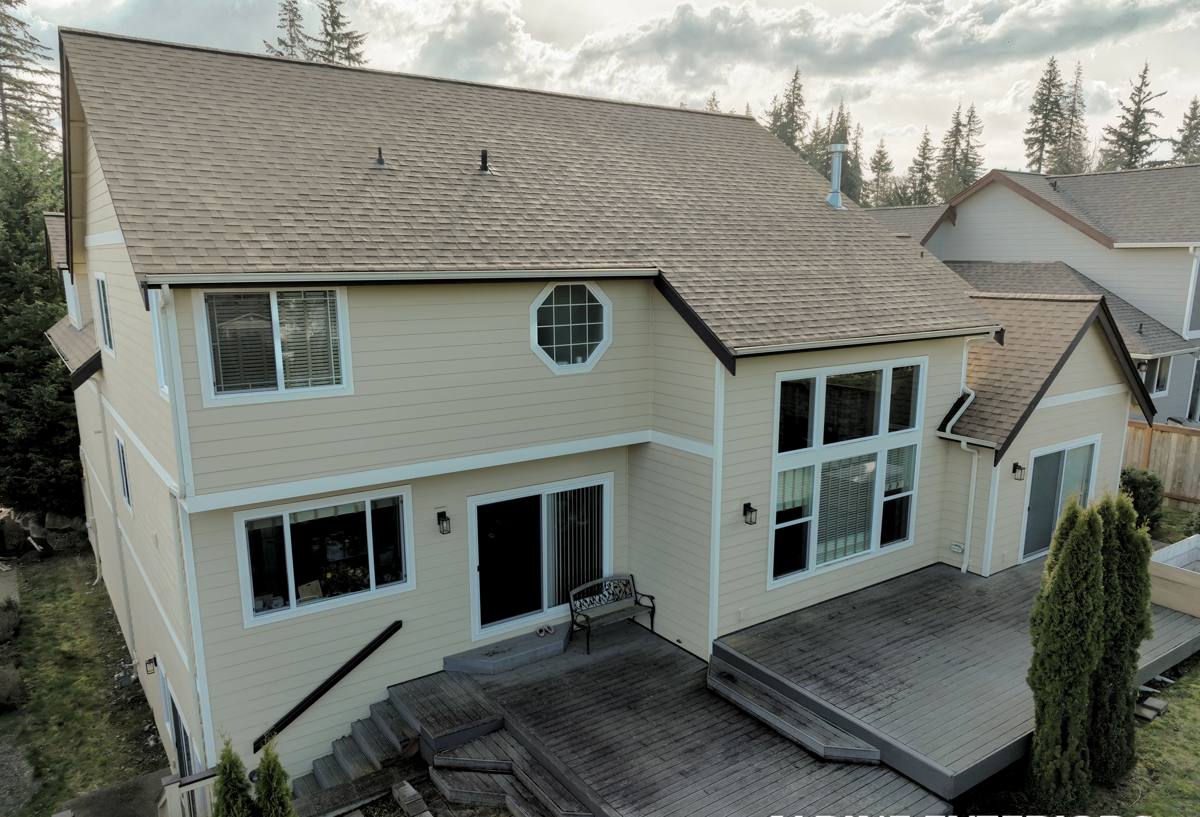
Homes in Concrete run the gamut from older river-valley farmhouses and 1960s-70s ranch homes to newer construction on the edges of town. What they share is exposure: long wet seasons, big daily and seasonal temperature swings between the valley floor and the surrounding hills, and in many cases, tree cover that keeps siding and window trim from ever fully drying between storms. Window replacement done right here has to account for all of that, not just swap in a new sash and call it finished.
What the Climate Actually Does to Windows
It helps to be specific about the failure modes we see, rather than talk in generalities.
- Sill and frame rot from driving rain that gets past aging or improperly flashed windows and sits in wood-framed openings.
- Fogged or failed double-pane glass as the seal between panes breaks down from years of temperature cycling and humidity, letting moisture into the gap.
- Swollen or sticking sashes on older wood or aluminum windows that absorb moisture during the wet months and never fully dry out under tree cover.
- Moss and algae staining on sills, trim, and the top of window openings, which holds moisture against the frame longer than bare wood or vinyl would otherwise experience.
- Drafts and energy loss as old weatherstripping and warped frames stop sealing tightly, which shows up as higher heating bills through the long Skagit Valley winters.
Signs It's Time to Replace, Not Repair
Not every window problem means full replacement. But in a climate like this, a few signs consistently point to windows that are past the point where caulk and weatherstripping will hold.
- Visible fog, haze, or moisture trapped between panes of glass that doesn't clear
- Soft, spongy, or discolored wood at the sill or lower frame corners
- Windows that are difficult to open, close, or lock, especially after wet weather
- Noticeable drafts or cold spots near the window even with it fully closed
- Condensation forming on the inside of the glass regularly during cooler months
- Visible gaps between the frame and the siding or trim, or caulk that has cracked and pulled away
What a Correct Window Replacement Job Involves
It's About the Opening, Not Just the Window
The window unit itself is only part of the job. In a wet climate like this, the flashing and water-management details around the opening matter as much as the product going into it. A window that's sealed to a moisture-compromised opening will fail again within a few years, no matter how good the glass and frame are.
Our standard approach on a Concrete-area replacement includes:
- Removing the old unit and inspecting the framing, sill, and sheathing underneath for rot or hidden moisture damage before anything new goes in
- Repairing or replacing any compromised framing or sheathing rather than sealing over it
- Installing proper flashing tape and a sloped sill pan so any water that reaches the opening drains back out, not into the wall
- Setting the new window level, plumb, and properly shimmed so it operates correctly and seals evenly
- Insulating the gap between the frame and the rough opening correctly, without over-packing it in a way that bows the frame
- Sealing and trimming the exterior with materials suited to sustained wet exposure, then finishing the interior to match the home
Skipping the flashing and sill-pan work is the single most common shortcut in window replacement, and it's the one most likely to cause rot behind the wall a few years down the road, well out of sight until it's a much bigger repair.
Choosing a Window Frame Material for This Climate
There's no single "best" window material for every home, but some materials handle sustained moisture and temperature swings better than others. Here's how the common options generally compare for a wet, tree-shaded, valley climate like Concrete's.
| Frame Material | Moisture Performance | Maintenance | Typical Fit |
|---|---|---|---|
| Vinyl | Very good; won't rot, resists moisture well | Low; occasional cleaning | Most homes; strong value and durability |
| Fiberglass | Excellent; very stable through temperature swings | Low | Homes wanting longer lifespan, higher upfront cost |
| Wood | Requires diligent upkeep to avoid rot in this climate | High; regular painting/sealing | Historic or period-specific homes where appearance matters most |
| Aluminum | Prone to condensation and heat loss without thermal breaks | Low, but performance concerns | Generally not our recommendation for this climate |
We lean toward vinyl and fiberglass for most Concrete-area homes because both resist the rot and swelling that wood is prone to here, and neither depends on a homeowner keeping up with regular repainting to stay watertight. Wood windows can still be the right call on a historic home where matching the original look matters more than low maintenance, but we'll always walk you through that trade-off honestly rather than push one option.
Our Process, Start to Finish
We keep the process straightforward because window replacement shouldn't feel like a mystery.
- On-site assessment. We look at each window opening, check for existing moisture damage, and measure for accurate ordering.
- Honest recommendation. We'll tell you which windows make sense for your home and budget, and where repair might still be a reasonable option instead of replacement.
- Scheduling around the weather. Given how much rain this area sees, we plan installation days carefully and protect open wall cavities if conditions turn.
- Installation. Old units out, framing inspected and repaired as needed, new units set with proper flashing and sealing.
- Cleanup and walkthrough. We clear debris and walk you through the finished windows, including how to operate and maintain them.
What Affects the Cost
Every home and opening is different, so we won't quote a number without seeing the job, but these are the main factors that move the price up or down.
| Factor | Why It Matters |
|---|---|
| Number and size of windows | More openings and larger glass sizes increase material and labor cost |
| Frame material chosen | Vinyl is typically the most budget-friendly; fiberglass and wood cost more upfront |
| Condition of the existing opening | Hidden rot or sheathing damage found during removal adds repair time |
| Window style | Simple double-hung replacements cost less than custom shapes, bays, or large fixed units |
| Access and site conditions | Second-story or hard-to-reach windows take more time and equipment |
As a general range, homeowners in this area typically see per-window installed pricing anywhere from the low thousands for a standard vinyl double-hung up to considerably more for larger, custom, or premium fiberglass units. We'll give you a firm number after we've actually looked at your windows.
Why Hire a Crew That Already Works in Concrete
A crew that regularly works in and around Concrete already understands the pattern of moisture damage typical to this stretch of the Skagit Valley, knows how tree cover and river-valley humidity affect siding and trim near window openings, and isn't guessing at how the local weather behaves across the seasons. That familiarity shows up in small decisions on the job site: how a sill pan gets sloped, what sealants hold up under sustained damp conditions, and when a shaded north-facing wall needs extra attention that a sunnier elevation doesn't. It also means a crew that isn't driving in from out of the area and treating your home as a one-off stop.
Keeping New Windows Performing for the Long Haul
A correctly installed window still benefits from basic upkeep in this climate.
- Rinse sills and tracks periodically to clear moss spores, pollen, and debris before they hold moisture against the frame
- Check exterior caulking once a year, especially after the wettest months, and touch up any cracking
- Keep gutters and downspouts clear so roof runoff isn't dumping extra water near window heads
- Trim back tree branches and shrubs that keep siding and windows shaded and damp longer than necessary
- Operate locks and hardware periodically through the winter to keep seals compressing evenly
If your windows are fogging, drafty, sticking, or showing soft wood at the sill, it's worth having them looked at before a small problem becomes a wall repair. We offer free, no-pressure estimates for homeowners in Concrete and the surrounding Skagit Valley — fill out the form below and we'll take a look.