 Skagit County
 Anacortes Decks Take a Different Kind of Beating
Anacortes sits right where the marine air comes off the water, and that changes how a deck ages compared to one built further inland. Salt-laden air speeds up corrosion on anything metal, wind-driven rain finds its way into joints and end grain that a calmer climate would leave alone, and the shade from mature evergreens combined with our long wet season keeps moss and algae established on deck surfaces for months at a time. A deck that would show minor wear after ten years in a drier part of Skagit County can show real structural problems in the same span here if it wasn't built or maintained with that in mind.
That doesn't mean every deck in Anacortes is doomed to fail early. It means the repair work has to account for the actual conditions the deck lives in, not just patch what's visibly broken. We've built and repaired decks throughout the area long enough to know which failure patterns show up again and again, and which shortcuts in the original build tend to cause trouble five or ten years down the road.
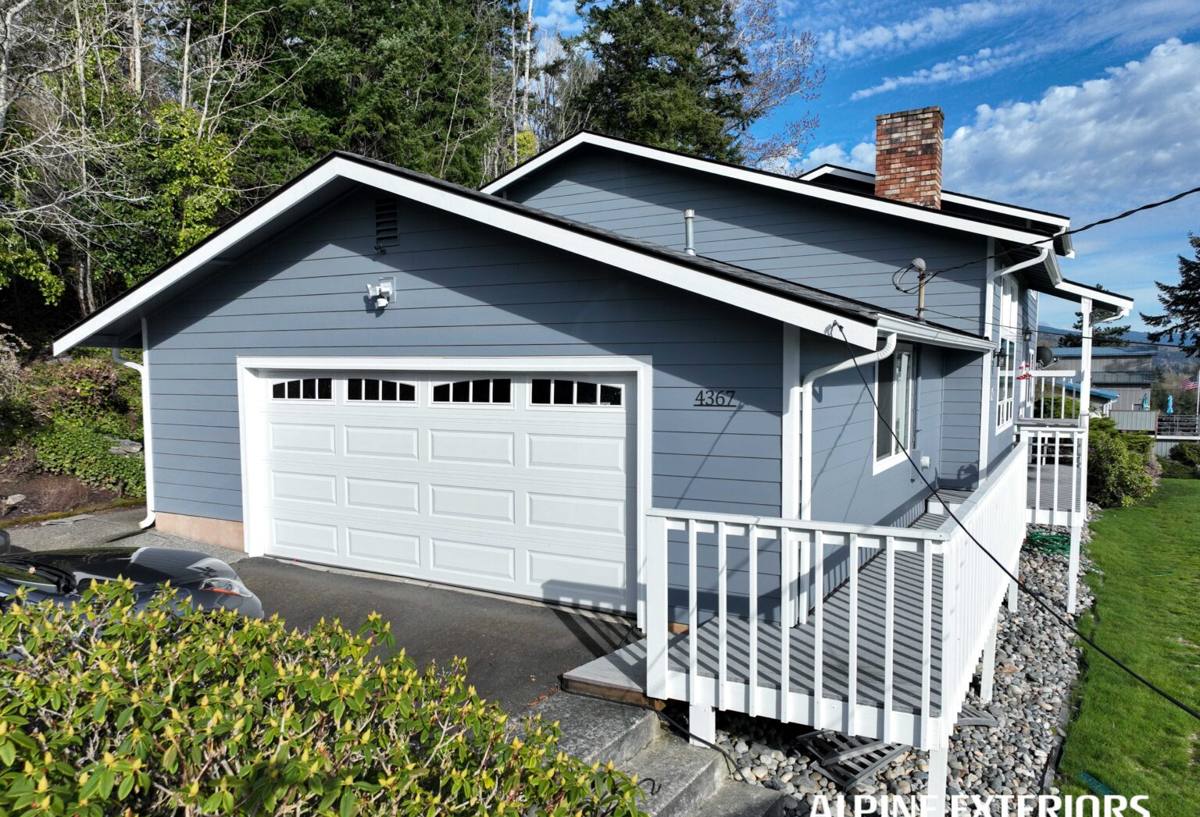
Why Local Conditions Wear Decks Down Faster
Salt Air and Corrosion
Fasteners, brackets, and hardware are usually the first things to fail on a coastal deck, well before the lumber itself gives out. Standard galvanized nails and screws can start rusting from the inside of the wood outward, which means you often don't see the damage until a board lifts or a railing wobbles. Once fastener corrosion sets in, it weakens the connection long before it looks bad on the surface.
Driving Rain
Rain that comes in sideways during a windstorm gets pushed into places a straight-down rain never reaches — under railing caps, behind ledger boards, into the end grain at board cuts, and around post bases. Those are exactly the spots where a deck needs the best water management, and they're also the spots most likely to be under-detailed on an older or budget build.
Extended Moss Season
Between the shade cover common in Anacortes neighborhoods and a wet season that runs long, moss and algae get a real foothold on decking surfaces, especially north-facing decks or ones tucked under trees. Beyond looking bad, moss holds moisture against the wood surface for extended periods, which accelerates rot in a way that direct rain exposure alone usually doesn't.
Signs a Deck Needs Repair
Most deck problems give some warning before they become safety issues. Here's what we tell homeowners to watch for between inspections:
- Boards that feel spongy, soft, or flex more than the boards around them
- Visible gaps, cupping, or splitting in decking boards
- Railings or balusters that wiggle or feel less solid than they used to
- Rust streaking below fastener heads or brackets
- Stair stringers that feel bouncy or steps that shift underfoot
- Green or black staining that keeps coming back after cleaning
- Gaps opening up where the deck meets the house (the ledger board connection)
- Post bases that show discoloration, softness, or standing water nearby
Any one of these on its own might be a minor fix. Several showing up together usually means the deck needs a full assessment rather than a spot repair.
The Repairs We See Most Often in Anacortes
Ledger Board and Rim Joist Rot
The ledger board — where the deck attaches to the house — is one of the most important structural connections on the whole deck, and it's also one of the most common places we find hidden rot. If flashing was missed or installed poorly during the original build, water works its way behind the board year after year without ever being obvious from the outside.
Post Base Deterioration
Posts that sit in or near standing water, or that were set directly against soil without a proper standoff, tend to rot from the bottom up. This is a structural issue, not cosmetic, since the posts are carrying the weight of the whole deck.
Fastener and Hardware Failure
As covered above, corroded fasteners and brackets are common enough here that we check them specifically on every repair visit, even when the customer's concern is something else entirely.
Decking Board Cupping and Splitting
Repeated wet-dry cycles cause wood decking to cup, crack, or split over time. Some of this is cosmetic, but deep splits create a path for water to get further into the board and the framing below it.
Railing and Stair Looseness
Railings take a lot of lateral stress from people leaning on them, and loose connections here are a genuine fall hazard, not just an annoyance. Stairs with soft or shifting stringers fall into the same category.
What Holds Up Best in This Climate
Material choice matters more here than in a drier inland climate, because the margin for error with moisture is smaller. When we're repairing or replacing sections, we talk through the trade-offs honestly rather than defaulting to whatever's cheapest or most familiar.
| Material | Strengths | Trade-offs in Coastal Conditions |
|---|---|---|
| Pressure-treated lumber | Affordable, widely available, structurally reliable when properly sealed | Needs regular sealing/staining; end cuts must be treated on-site |
| Cedar | Naturally rot-resistant, good look, ages well with care | Softer surface, requires more upkeep than composite, higher cost |
| Composite decking | Low maintenance, resists rot and moss staining better than wood | Higher upfront cost; substructure still needs to be real lumber and properly protected |
| Stainless or coated fasteners | Much better corrosion resistance near salt air | Costs more than standard galvanized; worth it for the connections that matter most |
For most repairs, we recommend upgrading fasteners and hardware to a better corrosion-resistant option even if the surrounding lumber is staying the same, because that hardware is often what fails first in this environment.
How We Approach a Deck Repair
- On-site inspection. We check the ledger connection, posts, joists, decking, railings, and stairs individually rather than assuming the visible problem is the only problem.
- Probe for hidden damage. Soft-spot testing and visual checks at common failure points — under railing caps, around post bases, behind ledger flashing — catch issues that aren't obvious from a walkthrough.
- Honest scope and options. We explain what's failing, why, and what the realistic repair options are, including when a partial repair makes sense versus when it doesn't.
- Repair with better details than the original build, where it counts. That might mean improved flashing at the ledger, corrosion-resistant fasteners, or better drainage at post bases — fixing the actual cause, not just replacing the damaged piece with the same setup.
- Clean finish and site cleanup. Repaired sections are finished to match as closely as possible, and we don't leave debris or old materials behind.
Repair or Replace? How We Decide
Not every deck problem calls for a full rebuild, and not every deck is worth patching indefinitely. A few honest guidelines we use:
- If the framing (joists, beams, posts) is sound and the damage is limited to surface decking or railings, repair is usually the right call.
- If rot has reached the ledger board, multiple posts, or several structural joists, a full or near-full rebuild is often more cost-effective than chasing repairs section by section.
- If the deck is under 15 years old with isolated damage, repair almost always makes sense.
- If the deck was undersized, under-flashed, or built without permits originally, that's worth factoring into the repair-versus-replace conversation, since some issues will keep recurring until the underlying build is corrected.
Keeping a Repaired Deck in Good Shape
Once repairs are done, a little seasonal maintenance goes a long way in this climate, especially with our extended moss season and salt air:
- Sweep debris and standing water off the deck surface regularly, especially in fall and winter
- Clean moss and algae buildup before it stains or holds moisture against the wood
- Reseal or restain wood decking on the schedule the product calls for — don't stretch it out
- Check railings and stair connections for looseness once or twice a year
- Keep gutters and downspouts clear so runoff isn't draining directly onto or under the deck
Why Hire a Crew That Already Knows Anacortes
A contractor who works Anacortes and the rest of Skagit County regularly already knows which failure points to check first, which fastener upgrades are worth the extra cost here, and how local moisture and moss patterns actually behave on decks in this area — not just in a textbook sense. That local familiarity means fewer surprises during the inspection and a repair plan that's built around how the deck will actually hold up through another wet season, not just how it looks the day the work is finished.
If your deck is showing soft spots, rust staining, loose railings, or persistent moss, we're glad to take a look and give you a straight assessment. There's no pressure and no obligation — just a clear picture of what's going on and what it would take to fix it right. Reach out using the form below to schedule a free estimate.