 Skagit County
 Custom Windows for Hamilton Homes
Hamilton sits along the Skagit River corridor, tucked into a part of Skagit County that sees more rain, more standing humidity, and a longer moss season than towns closer to the water. That combination is hard on windows. Frames swell and stick, seals fail early, and older aluminum or wood units start fogging or drafting well before a homeowner expects to replace them. Custom window installation here isn't just about picking a style you like — it's about matching the unit, the flashing details, and the installation method to what this specific stretch of county throws at a house year-round.
We install custom windows in Hamilton on a regular basis, which means we already know which details matter most on this side of the county: proper flashing sequencing against wood and fiber cement siding, sizing openings correctly for older farmhouses and cabins that were never built to modern tolerances, and choosing glass packages that actually help with the condensation problems common in homes near the river bottom.
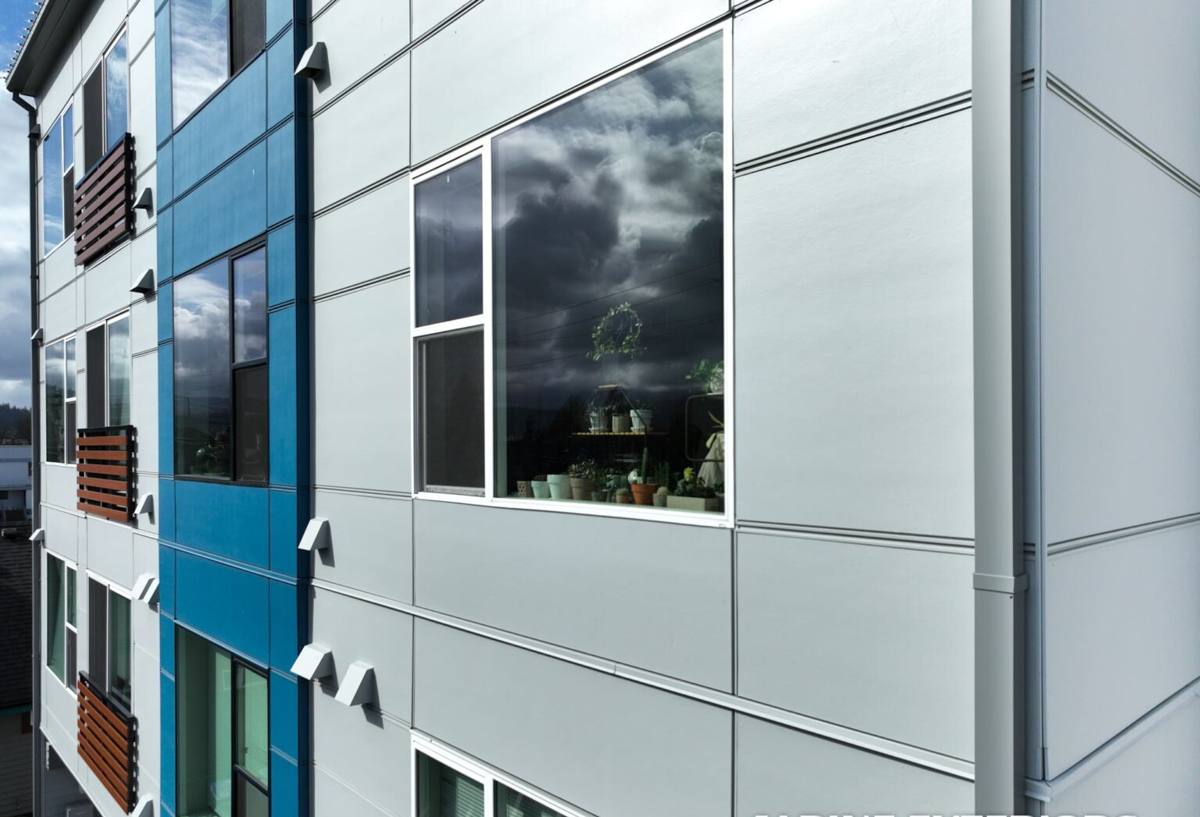
What Skagit County's Climate Does to Windows
Three things drive most of the window problems we see in this area:
- Driving rain: Wind-driven storms push water sideways into window openings, not just straight down. Flashing and sill pan details that work fine in a drier climate can fail here within a few seasons.
- Persistent moisture and moss growth: Long stretches of damp, shaded weather keep wood trim and sills wet longer than they'd stay in a sunnier climate, which accelerates rot around poorly sealed frames.
- Salt-tinged air moving up the valley: While Hamilton is inland, air moving up from Puget Sound still carries enough salt content over time to accelerate corrosion on lower-grade metal hardware, hinges, and cheaper vinyl reinforcement components.
None of these factors alone destroys a window quickly. Together, over years, they're why we see so many 15-to-20-year-old windows in this area with soft sills, fogged glass, or frames that no longer close square.
Signs Your Windows Are Losing the Fight
- Fogging or a hazy film between the panes of double-pane glass — the seal has failed
- Visible moss or dark staining building up on sills or bottom trim
- Drafts you can feel near the frame even when the window is fully latched
- Wood trim that feels soft or spongy when pressed
- Windows that are hard to open, close, or lock because the frame has swollen or shifted
What "Custom" Actually Means on This Kind of Job
Custom doesn't just mean a non-standard size. In Hamilton, where housing stock ranges from older farmhouses to newer construction and cabin-style homes, custom window work usually means one or more of the following:
- Building or ordering to fit an opening that doesn't match modern standard sizes, common in older homes that predate current window manufacturing norms
- Matching sightlines and grid patterns across a home when replacing some windows but not all of them at once
- Selecting glass packages suited to a specific exposure — a north-facing wall dealing with constant dampness needs a different approach than a south-facing wall dealing with sun and heat gain
- Adapting flashing and trim details to whatever siding is already on the house, whether that's lap siding, fiber cement, or an older wood siding that needs careful integration
Frame Materials: What We Recommend and Why
We get asked often about vinyl versus fiberglass versus wood windows for this climate. Here's how we actually think about it, without oversimplifying:
| Material | Strengths in This Climate | Trade-Offs to Know |
|---|---|---|
| Vinyl | Won't rot, low maintenance, good value, handles moisture well | Lower-end vinyl can warp under sustained heat/cold cycling; quality varies a lot by manufacturer |
| Fiberglass | Very stable dimensionally, holds paint well, strong resistance to moisture and swelling | Higher upfront cost than vinyl |
| Wood (clad exterior) | Classic look, good for period-correct homes | Exterior cladding must be intact and well-sealed — any breach lets moisture into the wood core, which is a real risk given how much damp weather this area gets |
| Aluminum | Strong, slim sightlines | Poor insulator on its own and prone to condensation unless thermally broken; we're selective about where we recommend it |
For most Hamilton homes, we lean toward vinyl or fiberglass because they hold up best against the area's moisture load with the least ongoing maintenance. Wood-clad windows can still be the right call on a home where matching a historic or specific aesthetic matters — we just make sure the homeowner understands the maintenance commitment that comes with it.
Why Installation Quality Matters More Than the Window Itself
A high-end window installed poorly will fail faster than a mid-grade window installed correctly. This is especially true in a climate that drives rain sideways into wall assemblies. The parts of the job that actually determine whether a window lasts 10 years or 30 are mostly invisible once the trim goes back on:
The Details That Matter Most
- Sill pan flashing: A properly sloped, sealed sill pan gives any water that does get past the window a way out instead of a place to pool.
- Flashing sequencing: Water-resistive barrier, flashing tape, and window flanges have to be layered in the correct shingle-lap order — done wrong, water gets directed into the wall instead of away from it.
- Air sealing without trapping moisture: The gap between the window frame and rough opening needs to be sealed for drafts while still allowing any incidental moisture to escape rather than get trapped in a closed cavity.
- Squaring and shimming: A window that isn't installed plumb and square will bind, leak at the corners, or wear its seals unevenly over time.
This is also where we see the most damage from past work in Hamilton — not from bad windows, but from windows installed without proper flashing, sitting directly against bare wood sheathing that then had years to absorb moisture unnoticed.
Our Process for a Custom Window Job in Hamilton
- On-site assessment: We look at each opening individually — measurements, condition of the surrounding wall and sheathing, current siding type, and sun/rain exposure on that side of the house.
- Product selection: We walk through frame material, glass package, and grid/style options based on your home's construction, your budget, and what that particular wall faces.
- Opening prep: Old windows come out carefully, and we check the rough opening and sheathing underneath for any rot or moisture damage before anything new goes in — this is a step that gets skipped on cheap jobs and it's where problems start.
- Flashing and installation: Sill pans, flashing tape, and the window itself go in following manufacturer specs and best practice for our rain-heavy climate.
- Sealing and trim: Interior and exterior trim, caulking, and insulation are finished to match your home's existing look.
- Final walkthrough: We check operation, sealing, and appearance with you before considering the job done.
Planning a Custom Window Project
Whether you're replacing one failing window or planning a full-home upgrade, a few practical things to think through ahead of time:
- Are you replacing windows one at a time or all at once? Doing it in phases is common and fine, but it's worth planning sightlines and trim details up front so later phases match.
- Do you know the condition of the wall framing behind your current windows? If you've had visible leaks or soft trim anywhere, budget for the possibility of some sheathing repair.
- Which walls get the worst weather exposure? Prioritizing those first often makes the most sense for a phased project.
- Are you trying to match an existing look, or open to updating the window style and grid pattern as part of the project?
Why Hire a Crew That Already Works in Hamilton
Window installation done right in Skagit County isn't the same job as window installation in a drier inland climate. A crew that regularly works Hamilton and the surrounding river-corridor communities already knows which flashing details fail here, which frame materials actually hold up against the moss-and-moisture cycle, and how to spot early rot before it turns into a bigger repair. That local familiarity shows up in fewer callbacks and windows that are still performing well a decade or two later — not in anything flashy, just in the parts of the job nobody sees once the trim is back on.
If you're dealing with drafty, fogged, or sticking windows anywhere in Hamilton, or you're planning ahead for a full replacement, we're happy to take a look and walk you through honest options for your home. Reach out for a free, no-pressure estimate — we'll assess your windows, explain what we're seeing, and give you a straightforward recommendation with no obligation.